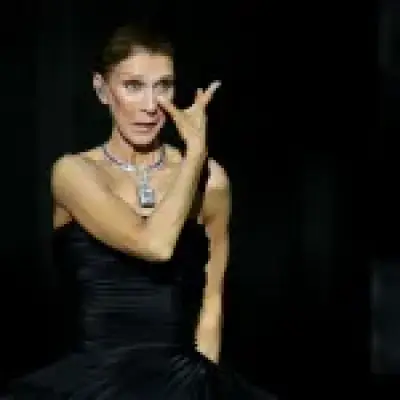
Kesha Forced to Cancel Berlin Show Amid Travel Chaos
Pop sensation Kesha has expressed devastation after being compelled to cancel a highly anticipated concert in Berlin, Germany, just one day before her scheduled performance. The abrupt cancellation occurred on March 3, 2026, when flights transporting Kesha and her crew from Australia to Europe were unexpectedly grounded, leaving no feasible alternative for timely arrival.
Apology to Fans and Tour Disruption
In a heartfelt statement shared via her Instagram Stories, the 39-year-old singer, known for hits like Your Love is My Drug, addressed her followers directly. "To my Berlin animals," she wrote, "Me and my crew's flights have been cancelled from Australia to Europe. I sat at the airport praying. There is just no way we will make it there in time. I am devastated."
Kesha vowed to reschedule the performance, adding, "I will make it up to you all when I can get back there. I love you all so much and please stay safe." The Berlin event was intended to launch the European segment of her Tits Out Tour, with subsequent sold-out shows planned for Paris on March 6, Amsterdam on March 7, and Antwerp on March 9.

Fan Reactions and Frustrations
The announcement sparked a wave of disappointment among ticket holders. One fan account on X posted a photo from an airplane, lamenting, "I was right here when Kesha cancelled her show, it's gonna be the saddest 3 hours to fly. I know it's not her fault but waited so long for this moment." Another attendee in Berlin expressed frustration, stating, "I'm f**king pissed."
While some fans sympathized with the logistical challenges, others criticized the tour planning. One commenter noted, "Having a flight from Australia to Europe just one day before the concert is actually a crazy thing – can't believe Kesha's team didn't think that flights could be cancelled." Another questioned, "Why didn't she have a flight just few days early and not day before the show. This could've been prevented."
White House Controversy Over Music Usage
The concert cancellation followed closely on the heels of a separate controversy involving Kesha and the White House. Earlier on March 3, the singer publicly condemned the administration of US President Donald Trump for using her 2010 track Blow from the Cannibal EP in a TikTok video.
The video depicted military jets soaring through the sky before launching a missile that destroyed an apparent enemy ship, synchronized with Kesha's lyric, "This place about to blow." The post was captioned simply with the word "Lethality" accompanied by fire and eagle emojis.
Kesha's Strong Condemnation
Kesha responded forcefully on social media, stating, "It's come to my attention that The White House has used one of my songs on TikTok to incite violence and threaten war. Trying to make light of war is disgusting and inhumane. I absolutely do NOT approve of my music being used to promote violence of any kind."
Emphasizing her values, she continued, "Please love yourself and each other in times like this. This show of blatant disregard for human life and quite frankly this attack on all of our nervous systems is the opposite of what I stand for." She concluded by referencing the Epstein files and calling Trump a "criminal" and "predator," alleging his name appeared in the documents "over a million times."
White House Response and Broader Context
White House communications director Steven Cheung fired back on X, dismissing the criticism with, "All these 'singers' keep falling for this. This just gives us more attention and more view counts to our videos because people want to see what they're b****ing about."
Kesha retorted succinctly, tweeting, "Stop using my music, perverts @WhiteHouse," a message that garnered over 4 million views. She joins a growing list of artists, including Radiohead, Olivia Rodrigo, the Rolling Stones, and Celine Dion, who have objected to the Trump administration using their music without permission for promotional or political purposes.

The dual incidents highlight ongoing tensions between artists and political entities over creative control and ethical usage of copyrighted material in sensitive contexts.