Karol G's Historic Coachella Headline: A Triumph of Latin Pride and Electrifying Performance
In a landmark moment for Coachella, Colombian superstar Karol G became the first Latina woman to headline the festival, delivering a 90-minute set that was both a celebration of Latin culture and a masterclass in live performance. On the final night of the first weekend at the Empire Polo Club in Indio, California, she captivated a diverse crowd with dazzling choreography, stunning visuals, and a powerful message of unity.
A Statement of Latin Pride and Cultural Significance
Karol G, born Carolina Giraldo from Medellín, Colombia, addressed the audience in English during her set, acknowledging the historic nature of her performance. "I am the first Latina woman to headline Coachella," she declared to thunderous applause, while also noting that it felt overdue after 27 years of the festival. Her remarks echoed Beyoncé's 2018 statement as the first Black woman to headline, highlighting the ongoing struggle for representation in major music events.
The set was a vibrant showcase of Latin pride, with flags from Mexico, Puerto Rico, Venezuela, Colombia, and other nations waving throughout the crowd. Karol G seamlessly blended regional Latin styles, from reggaeton to mariachi, creating an exuberant atmosphere that emphasized pan-American unity. Her performance included collaborations with artists like Becky G and Wisin, adding depth and historical nods to Latin music traditions.

Electrifying Production and Unforgettable Moments
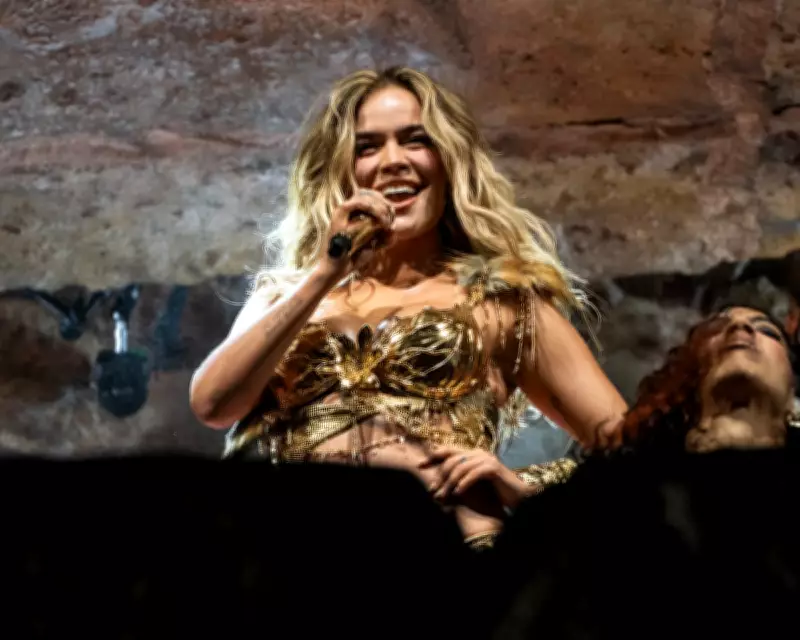
From the opening number, "Latina Foreva," where she appeared in a glittering gold bikini with an army of dancers, to the finale with rainbow lasers and pyrotechnics, the production was maximalist and immersive. The stage design featured a proto-cave rave theme, focusing on the primordial wildness of women, and lifted Karol G nearly two stories high, ensuring visibility for all attendees. Despite starting half an hour late due to technical setups, the energy never waned, with steamy choreography and hit songs from albums like "Tropicoqueta" and "Mañana Será Bonito."
Highlights included a performance with an all-female Mexican mariachi band, a duet with Becky G that touched on immigration issues, and a segment with ankle-deep water choreography that added a sensual, divine element. The set culminated in a cover of Gloria Estefan's "Mi Tierra" and an EDM-ified version of "Provenza," complete with confetti and multiple false endings, leaving no doubt about the celebratory message.
Navigating Political and Social Commentary
Karol G skillfully addressed the complexities of celebrating Latin pride in the current U.S. political climate. Without delving into specifics, she emphasized resilience and support for the Latino community, stating, "This is for my Latinos who have been struggling in this country lately. We stand for them." Her approach balanced sincerity with caution, avoiding direct controversy while affirming solidarity and strength.
The performance not only solidified Karol G's status as a global icon but also served as a victory lap for Latin representation in mainstream music. With its blend of cultural significance, artistic excellence, and infectious energy, this Coachella set is destined for the festival's hall of fame, proving that when given the platform, Latin artists can deliver unforgettable, history-making moments.