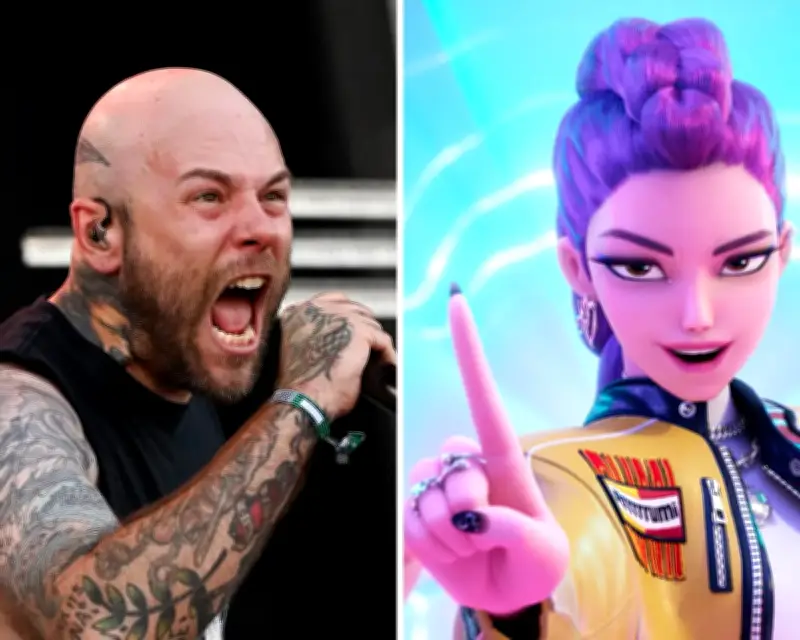
Netflix is facing a $30 million lawsuit from a production company that claims the streaming giant used copyrighted material without permission in the film K-pop Demon Hunters. The lawsuit, filed in federal court in Los Angeles, alleges that Netflix breached a contract and infringed on intellectual property rights.
Lawsuit Details and Allegations
The production company, identified as K-pop Demon Hunters LLC, asserts that it provided Netflix with a script, storyboards, and other creative materials under a confidential agreement. According to the lawsuit, Netflix then produced a film with the same title and similar plot elements without obtaining proper licensing or compensating the original creators.
The plaintiff claims that the film, released on Netflix in July 2026, incorporates substantial portions of the protected work. The lawsuit seeks $30 million in damages, plus attorney fees and an injunction to prevent further distribution of the film.
Netflix's Response and Legal Context
Netflix has not yet filed a formal response to the lawsuit. However, a spokesperson for the company stated, "We are reviewing the allegations and believe they are without merit. We will defend ourselves vigorously in court."
Legal experts note that such cases often hinge on whether a valid contract existed and whether the alleged similarities are protected by copyright law. The case is being closely watched by the entertainment industry, as it could set precedents for how streaming platforms handle unsolicited submissions.
Impact on the Film and Industry
The lawsuit has cast a shadow over K-pop Demon Hunters, which was promoted as a high-profile original film featuring a popular K-pop group. The film had garnered significant viewership and positive reviews before the legal challenge emerged.
According to industry analysts, the outcome could affect Netflix's practices for accepting and developing ideas from external creators. The streaming platform has faced similar lawsuits in the past, including a 2021 case over the series Squid Game, which was resolved out of court.
The production company's attorney, Jane Kim, said in a statement, "Our client created a unique and valuable work. Netflix's unauthorized use of that work is a clear violation of the law. We are committed to protecting our client's rights and ensuring that creators are fairly compensated."
The case is scheduled for an initial hearing in October 2026.