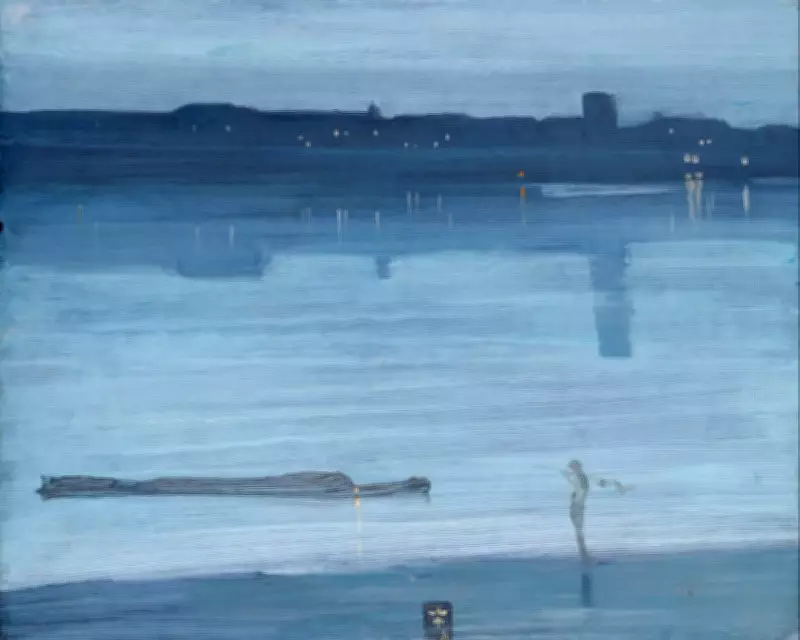
In a fascinating exploration of musical history, pianist and writer Susan Tomes sheds light on the often-overlooked contributions of John Field, the Irish composer who pioneered the nocturne genre for piano. While Frédéric Chopin is widely celebrated for his nocturnes, Tomes argues that Field's earlier works laid the essential groundwork, creating a template of lyrical, dreamy piano pieces that evoke nighttime serenity and introspection.
The Origins of the Nocturne
John Field, born in 1782, developed the nocturne as a distinct form in the early 19th century, drawing from vocal traditions and infusing them with piano techniques that emphasized melody and harmony over virtuosic display. His compositions, such as the Nocturne No. 5 in B-flat major, feature flowing arpeggios and gentle rhythms that aim to capture the quietude of night. Tomes notes that Field's innovation was not just technical but emotional, offering listeners a space for reflection and calm, a stark contrast to the more dramatic styles of his contemporaries.
Chopin's Debt to Field
Despite Field's foundational role, his legacy has been largely overshadowed by Chopin, who refined and popularized the nocturne in the mid-19th century. Tomes points out that Chopin admired Field's work and incorporated elements of his style, yet Field's name rarely appears in mainstream discussions of classical piano music. This oversight, she suggests, stems from historical biases and the greater fame of later composers, but a reevaluation is overdue to acknowledge Field's creative genius.

Modern Echoes in Max Richter's Sleep
The influence of Field's nocturnes extends beyond the classical era into contemporary music, as exemplified by Max Richter's 2015 composition "Sleep." Tomes draws parallels between Field's aim to soothe and Richter's eight-hour piece designed to accompany sleep, highlighting how both composers use repetitive, minimalist structures to induce a meditative state. Richter, known for blending classical and electronic elements, cites the nocturne tradition as an inspiration, demonstrating the enduring relevance of Field's ideas in today's soundscapes.
Susan Tomes' Personal Insights
As a performer, Tomes shares her own experiences with Field's music, describing how playing his nocturnes requires a delicate touch and deep emotional connection. She emphasizes that these pieces are not merely historical artifacts but living works that continue to resonate with audiences seeking tranquility in a fast-paced world. Her analysis encourages musicians and listeners alike to rediscover Field's output, appreciating its subtle beauty and historical significance.
In conclusion, Tomes' examination reveals John Field as a pivotal figure in piano music, whose nocturnes bridged past and present. By tracing the lineage from Field to Chopin and onward to modern composers like Max Richter, she underscores the timeless appeal of music that speaks to the soul's quieter moments. This revival of interest could inspire new interpretations and a broader appreciation for the unsung heroes of musical history.