On the surface, the outlook for British arts appears bleak. The music sector is in a precarious state, with 125 grassroots venues closing in 2023 alone, making it financially impossible for many artists to tour. The value of recorded music has been decimated by streaming, leading to major consolidations like the UK arms of Warner and Atlantic being folded into their US parent companies.
A System in Crisis
The problems extend far beyond music. The Edinburgh Fringe, a vital incubator for comedy talent, faces an existential threat due to soaring costs and a lack of sponsorship. The UK film industry is now almost entirely reliant on dwindling American investment. Meanwhile, the television sector, with the BBC lurching from one crisis to another, has been crippled by broadcasters' inability to fund programming. Hit dramas like the Bafta-winning Wolf Hall sequel only get made because key talent take substantial pay cuts.
Even a ratings phenomenon like ITV's Mr Bates vs The Post Office, which drew over 13 million viewers, reportedly lost around £1 million due to poor international sales. In a globalised market where success is measured by attracting a vast, borderless audience, Britain's position as a relatively small nation seems destined to diminish.

The Unexpected British Boom
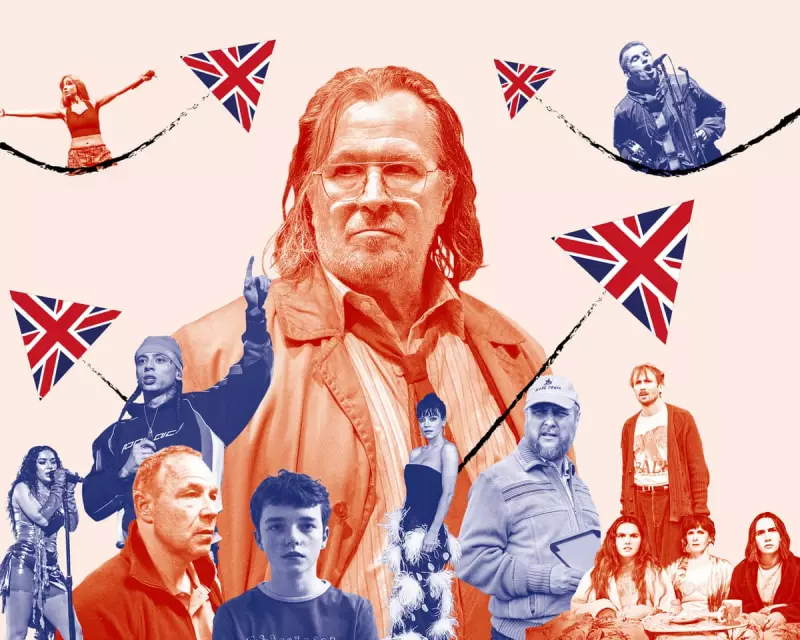
Yet, paradoxically, 2025 has been a year of extraordinary global influence for distinctly British culture. From viral internet trends to critically acclaimed cinema, art that deeply engages with UK heritage and sensibility is resonating worldwide like never before.
This 'Anglophilia 2.0' saw American artists like Olivia Rodrigo shouting out Colin the Caterpillar and 'judgment-free noon pints' at Glastonbury. A TikTok-driven 'Britishcore' trend celebrated everything from Trainspotting to Greggs. New York's mayor-elect even cited niche UK podcasts and the 2012 viral song 'One Pound Fish' as personal favourites.
In music, the zeitgeist has been unmistakably British. The monumental Oasis reunion dominated the summer, their lad-culture bravado and Beatles nostalgia striking a global chord. This followed the enduring impact of Charli XCX's album Brat, a masterpiece of art-school irony and UK garage influences that spawned a transatlantic craze. PinkPantheress's melancholic, drum 'n' bass-infused sound, evoking a very British 'rain-lashed woe', earned her Mercury and Grammy nominations.
Even more significantly, Central Cee made history as the first UK rapper to land a top 10 album on the US Billboard chart with Can't Rush Greatness, packed with references to Sports Direct and the Uxbridge Road.
Screen Success Stories
British film and television enjoyed similar breakthroughs. Danny Boyle's 28 Years Later, a zombie film doubling as a Brexit allegry full of fry-ups and Teletubbies references, grossed over $150 million globally. The exquisitely sad and very British The Ballad of Wallis Island, peppered with nods to Monster Munch and Harold Shipman, became an unlikely international hit.
On television, Netflix's Adolescence, a gritty social-issues drama from Jack Thorne and Stephen Graham, became the platform's second-most-watched show ever with 142 million views. Apple TV's Slow Horses, built on failure and flatulence, returned for a fifth series, while the BBC's Such Brave Girls exported a uniquely dark, gallows humour to the world with backing from US powerhouse A24.
Future-Proofing a Golden Age
The critical question now is whether this cultural boom can be sustained and leveraged to rescue the struggling infrastructure that birthed it. In January 2025, David Lammy announced a 'soft power' taskforce to strategically capitalise on these assets, but concrete plans remain elusive.
Some proposals are gaining traction. A voluntary £1 ticket levy on arena gigs, championed by Wolf Alice's Joff Oddie, aims to funnel funds to grassroots venues. Director Peter Kosminsky advocates for a 5% levy on UK streaming subscription revenues to create a British cultural fund.

Screenwriter Steven Knight has suggested the need for 'creative nationalism'—not an exclusionary patriotism, but a drive for autonomy to prevent UK culture from being permanently subject to foreign conglomerates, as seen with Disney's abrupt handling of Doctor Who.
The very British traits of self-deprecation and a focus on failure may hinder a concerted boosterish campaign. Yet, as 2025 concludes, the evidence is clear: against all odds, British culture is in a creatively fertile and globally dominant phase. The challenge is to build a future that supports, rather than squanders, this remarkable moment.