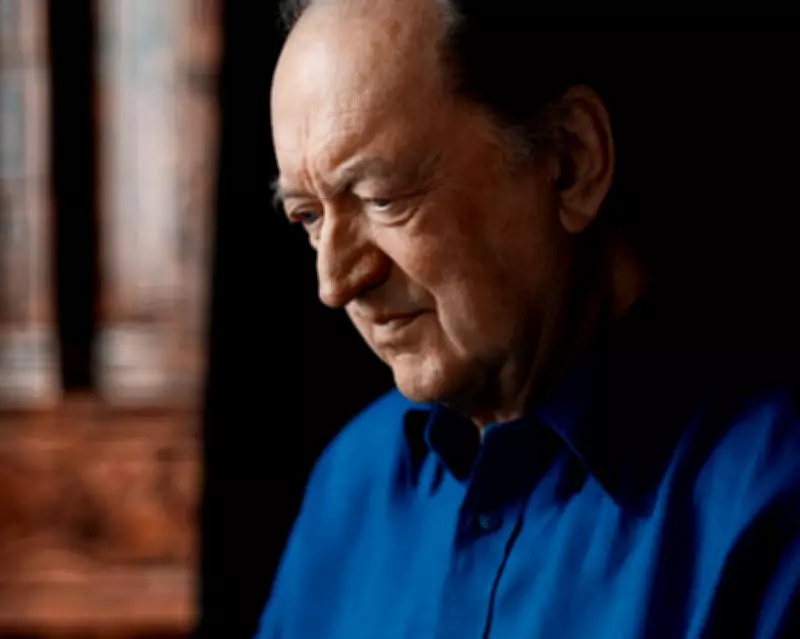
A decade after his passing, a newly released live recording from the 1999 Styriarte festival in Graz serves as a powerful reminder of Nikolaus Harnoncourt's revolutionary impact on classical music. This album, titled "Harnoncourt: Mendelssohn, Wagner, Schumann," captures the late conductor's distinctive interpretations in a provocative program that pairs Richard Wagner with Felix Mendelssohn and Robert Schumann, composers whose views on Wagner were famously ambivalent.
Radical Reinterpretations of Classic Works
The recording opens with Mendelssohn's fairytale overture, Die Schöne Melusine, delivered as a bracing journey propelled by resolute strings and dramatic woodwind interventions. Harnoncourt then turns to Wagner's Tannhäuser Overture, adopting what might be described as a Wagner-lite approach. He crafts gossamer textures that intriguingly echo Mendelssohn's A Midsummer Night's Dream Overture, a comparison that would have undoubtedly infuriated the antisemitic Wagner.
Silky and Detailed Musical Exploration
While purists might raise objections, this interpretation stands out as one of the silkiest and most meticulously detailed readings available. For those genuinely curious about the actual notes on the page, Harnoncourt's approach is profoundly illuminating. The Tristan Prelude follows in a similar vein, particularly in its weightless opening, where Harnoncourt strips away historical accretions to reveal Wagner's radical harmonies without sacrificing the music's emotional core.

The performance is crowned by mezzo-soprano Violeta Urmana's breathtaking account of the Liebestod. Her tone is nothing short of luxurious, and every word she sings emerges with sublime clarity, adding a layer of vocal brilliance to the instrumental mastery.
Rare Schumann Piece and Educational Commentary
The concert concludes with Schumann's rarely performed Requiem für Mignon, an 11-minute secular work for soloists, choir, and orchestra that explores themes of grief and solace. This piece is presented with style and depth, rounding off the program beautifully. Interspersed throughout the recording are Harnoncourt's erudite commentaries, including a section-by-section analysis of Mendelssohn's overture. These insights are thoroughly enlightening, provided listeners have a command of German.
This 1999 live recording not only preserves Harnoncourt's radical ear but also offers a fresh perspective on familiar works, making it a must-listen for classical music enthusiasts seeking revelatory readings from one of the field's late revolutionaries.