German Thrash Metal's 80s Revolution: How Kreator, Sodom, and Destruction Forged Extreme Sound
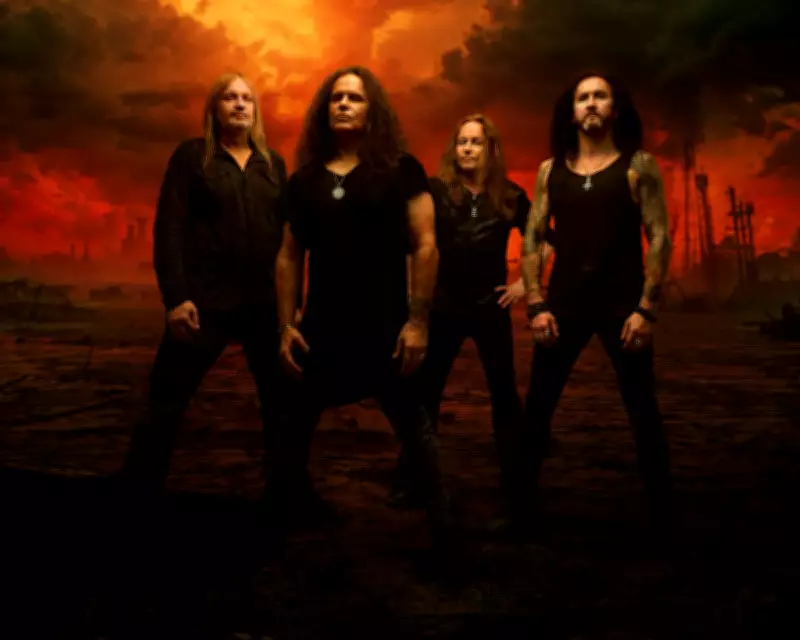
While American thrash metal giants like Metallica, Slayer, and Megadeth dominated the global scene in 1986, a parallel movement was erupting in Germany. Bands such as Kreator, Sodom, Destruction, and Tankard, often dubbed the "big four" of German thrash, carved a distinct path with a faster, meaner, and more aggressive sound. Their raw energy and unpolished approach set new benchmarks for brutality, inadvertently shaping the future of death and black metal genres.
The Birth of Teutonic Thrash
Formed in the early 1980s, these German bands emerged from industrial landscapes marked by coalmines and steel factories. For many members, music served as an escape from predetermined futures in manual labor. Tom "Angelripper" Such of Sodom recalls his father's disappointment when he left the coalmines, with financial stability only arriving after their 1989 album Agent Orange. Similarly, Kreator's Miland "Mille" Petrozza notes that their early rehearsals in school basements led to a record deal based on a rough demo, with touring beginning only after the release of Pleasure to Kill in 1986.
Destruction, hailing from the conservative town of Weil am Rhein, found isolation but used it to foster a unique metal scene. Vocalist and bassist Marcel "Schmier" Schirmer describes how their image and music were authentic from the start, even causing family conflicts, such as wearing a bullet belt to his grandfather's funeral. Despite derision from the German music press, these bands learned through experience, often supported by international acts like Slayer, who, as Schmier laughs, "taught us how to drink."

Influences and Cold War Context
The German thrash sound was fueled by a mix of influences, including Venom's Welcome to Hell, Judas Priest, and hardcore bands like Minor Threat and Dead Kennedys. Unlike their American peers, who focused on nuclear Armageddon themes, German thrashers were directly impacted by Cold War politics, with the Berlin Wall serving as a constant reminder of division. Mille explains that this environment unconsciously influenced their music, though there was little crossover with East German scenes due to strict censorship.
In East Germany, bands like Formel 1 navigated restrictions, recording their live album Live Im Stahlwerk in a steelworks and performing with elaborate stage sets, including a castle courtyard with battlements. Drummer Peter "Paule" Fincke recalls the challenges of hauling equipment without rental services, highlighting the DIY spirit that paralleled West German efforts.
Legacy and Modern Revival
The 1990s posed challenges with the rise of grunge and nu metal, leading to declining record sales and genre experimentation for Kreator, Sodom, and Destruction. However, a classic thrash revival in the 2000s, supported by acknowledgments from bands like Mayhem and Cannibal Corpse, reignited their careers. Today, Kreator continues with a new album and extensive tours, Destruction has embarked on global journeys, and Sodom is on hiatus with reissue projects.
As Schmier reflects, the ongoing global turmoil ensures that thrash metal remains relevant, with lyrics continuing to address a "fucked up world." Kreator's European tour in 2026, alongside bands like Carcass and Exodus, underscores the enduring appeal of this extreme musical legacy.