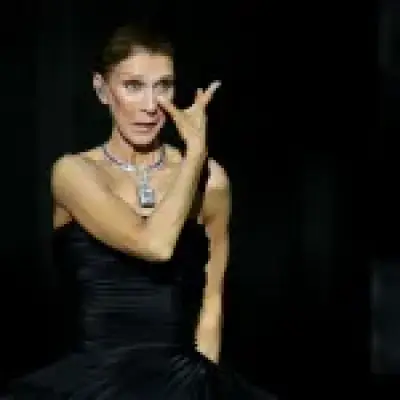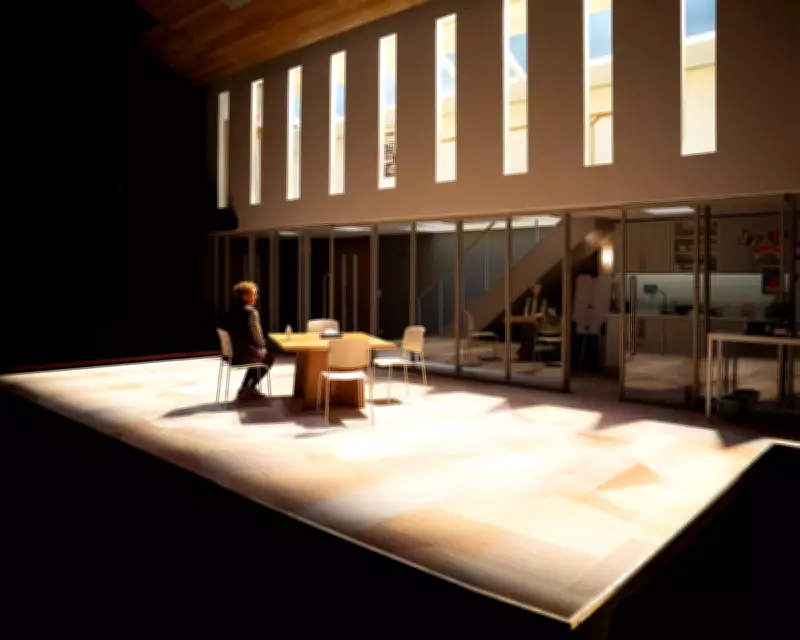
Fran Kranz, the writer of the film and now play Mass, reflects on the themes of forgiveness and restorative justice in the wake of unspeakable violence. The play, currently running at the Donmar Warehouse in London until 6 June, brings together the parents of a school shooter and the parents of a victim in a tense, emotional encounter.
The Inspiration Behind Mass
Kranz recalls first watching the documentary Long Night's Journey Into Day over 20 years ago, which follows amnesty hearings from South Africa's Truth and Reconciliation Commission. The film showed families of murdered loved ones meeting face-to-face with perpetrators, seeking forgiveness as a path to national healing. This ritual stuck with Kranz, who saw it as an inevitability in his own life.
After becoming a father in 2016, Kranz grew increasingly troubled by political polarisation and gun violence, culminating in the 2018 shooting at Marjory Stoneman Douglas High School in Parkland, Florida. He began researching the aftermath of such tragedies and discovered that parents of victims had privately met with parents of shooters. This moved him deeply and led to the creation of Mass.

The Challenge of Forgiveness
Kranz describes forgiveness as a 'strange currency' whose value cannot be predetermined. He sees it as an act of real faith, requiring the sacrifice of primal satisfaction for the hope of something better. He quotes Franciscan friar Richard Rohr, calling forgiveness 'pain that is transformed, not transmitted.'
He acknowledges the greater challenge when the perpetrator is elusive, such as an entire people or political party. Drawing on Desmond Tutu's words, Kranz notes that when retributive justice is not possible, restorative justice must take its place.
Relevance Today
Kranz wrote Mass not solely about gun violence but about the persistence of such tragedies and the failure of empathy in modern society. He believes that tearing of the social fabric results not from angry rhetoric but from diverted attention. His play attempts to build a bridge for empathy, putting the audience in a room with four people using their dignity to understand one another and heal.
Having seen the play reach audiences as both a film and now a stage production, Kranz confirms that this ritual has a purpose for everyone.