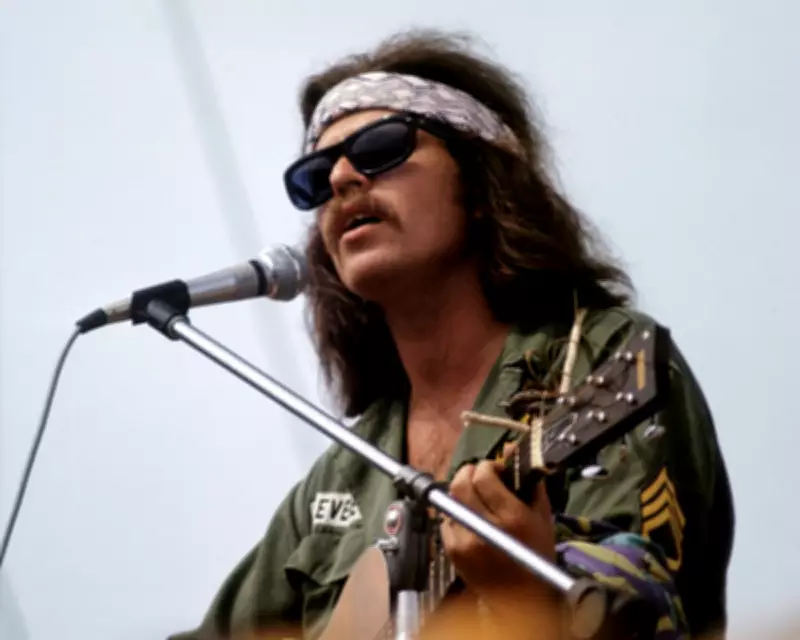
Country Joe McDonald, Woodstock Legend and Protest Singer, Dies at 83
Country Joe McDonald, the influential folk musician best known for his electrifying performance at the 1969 Woodstock Festival, has died at the age of 83. His passing marks the end of an era for a generation that embraced his anti-war anthems and countercultural spirit. McDonald's career spanned over five decades, during which he used his music as a powerful tool for social and political commentary, particularly against the Vietnam War.
The Woodstock Moment That Defined a Generation
McDonald's iconic rendition of the "Fish Cheer" and "I-Feel-Like-I'm-Fixin'-to-Die Rag" at Woodstock became a defining moment of the festival and the 1960s protest movement. His raw, energetic delivery captured the frustrations and hopes of young Americans, turning the song into an anthem for peace activists. This performance not only catapulted him to fame but also solidified his reputation as a voice for dissent, inspiring countless musicians and activists in the decades that followed.
A Lifelong Commitment to Activism Through Music
Born in 1942, McDonald co-founded the band Country Joe and the Fish in the mid-1960s, blending folk, rock, and psychedelic sounds to create music that challenged the status quo. Beyond Woodstock, he released numerous albums that addressed issues such as environmentalism, civil rights, and social justice. His work extended beyond recording studios; he actively participated in protests and benefit concerts, using his platform to advocate for change until his later years.

Legacy and Influence on Modern Culture
McDonald's impact on music and activism remains profound. He is remembered not just for his hits but for his unwavering dedication to using art as a force for good. Tributes from fellow musicians, fans, and historians highlight how his songs continue to resonate in today's social movements. His death is a significant loss to the folk and protest music communities, but his legacy lives on through recordings, documentaries, and the ongoing relevance of his messages in contemporary discourse.