The Unlikely Alliance of Classical and Heavy Metal Music
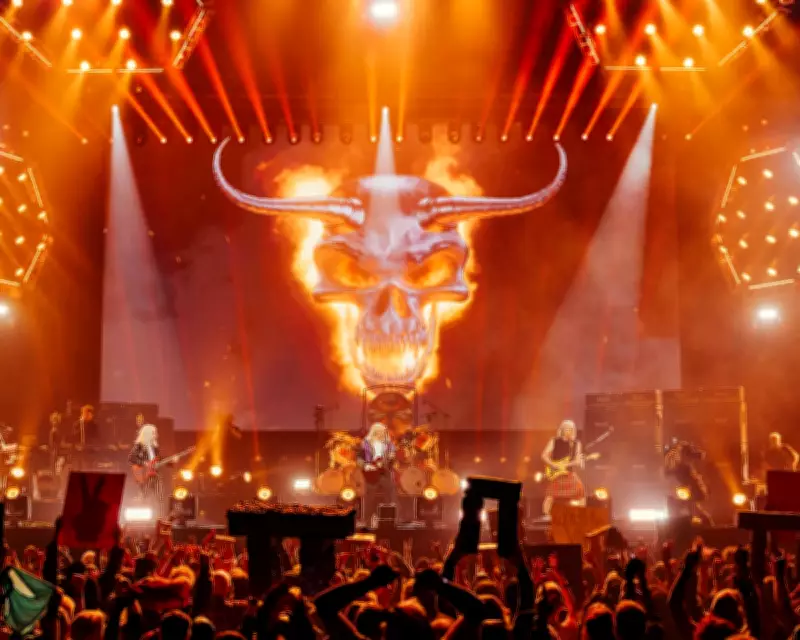
With ear-splitting excess, flamboyant virtuosity, and a shared talent for transgression, classical music and heavy metal have long been intertwined in ways that defy conventional boundaries. The Philharmonia Orchestra is set to explore this fascinating connection in their upcoming concert, 'Forged in Sound: Heavy Metal Orchestrated,' part of the Southbank Centre's Multitudes festival. The question is not why these genres should be paired, but why it has taken so long for such a collaboration to gain mainstream attention.
Shared Foundations: Volume, Virtuosity, and Spectacle
There is more that connects metal and classical music than sets them apart. A mutual love of volume, turning the noise up to eleven, is evident from Black Sabbath to Stravinsky. The worship of virtuosity, characterized by speed, technique, and orgiastic instrumental excess, spans from Vivaldi to Van Halen. Both genres also share an all-too-easily parodied sense of grandiloquence, pseudo-seriousness, and expressive pomp and circumstance, as seen in the works of Richard Wagner and Iron Maiden.
An addiction to flamboyant spectacle and a PR-driven flirtation with the dark side to build the mythology of the music and performers further unites these styles. Nineteenth-century violin superstar Paganini was rumored to have struck a deal with Lucifer due to his unparalleled virtuosity. Similarly, the morality police of 1980s America imagined that satanism was being incited by teenagers who played metal records, leading to the infamous 'parental advisory' stickers.

The Forging of Sound: Classical Influences in Metal
It was in the mines of classical music that the heavy metal guitar sound was truly forged, as revealed in Robert Walser's compelling study, 'Running with the Devil.' Deep Purple's Ritchie Blackmore modeled his solos on Vivaldi, Randy Rhoads needed Pachelbel to create Ozzy Osbourne's 'Blizzard of Ozz,' and Van Halen called upon Rodolphe Kreutzer in 'Eruption,' his epoch-making solo on his debut album. The 101 seconds of 'Eruption' did as much to push electric guitar technique forward in the 1970s as any of the monsters of classical technique had done for their instruments in previous centuries.
Beyond virtuosity, classical and heavy metal also share an obsession with technique, transgressing boundaries that previous generations thought impossible to achieve. Van Halen's technique of tapping, using the right hand above the left on the guitar neck, parallels Liszt's double octaves and feats of memorization. Both genres relentlessly pursue faster, louder, more intense, and more immersive levels of spectacle, with classical music often leading the way for metal to follow.
Frontiers Yet to Cross: The Potential for Extreme Collaboration
However, there are frontiers that the Philharmonia has not yet crossed. For those seeking more intensity, speed, extremity, sonic violence, blast beats, avant-garde adventure, and social consciousness, the answer in metal is Napalm Death. Imagine the grindcore band in collaboration with an industrially massive orchestra and death-metal growling choir. Consider what would happen if 'Throes of Joy in the Jaws of Defeatism,' their devastating 2020 record, or 'From Enslavement to Obliteration,' the guttural cry from the underworld of their second album, were orchestrally re-forged. The musical world would shake on its axis. With the Proms season announced next week, there is always a chance for such groundbreaking collaborations.
Wagnerian Face-Off at the Royal Opera
In other classical news, the Royal Opera's new season features an irresistible Wagnerian face-off. Can Evgeny Titov's new staging of Wagner's last music-drama, 'Parsifal,' hit the same heights and draw the audiences that Barrie Kosky's 'Götterdämmerung'—the final installment of his ongoing Ring cycle—looks set to do? The two productions will also pit Covent Garden's two conductors against one another: the Royal Opera's former music director, Antonio Pappano, is in the Ring corner, while newly installed Jakub Hrůša takes on 'Parsifal.'

The Ring is one of the best things the Royal Opera has done in recent years, but 'Parsifal' holds promise, not least because Christian Gerhaher's Amfortas, the tortured King of the Grail, might just be another of those performances for the ages, amid the opera's ritual of blood-soaked redemption. In the scorched earth of Wagner's visions of apocalypse and renewal, there are no winners or losers for those listening and watching.
This exploration of classical and heavy metal connections underscores the enduring power of music to transcend genres and eras, inviting audiences to experience sound in new and exhilarating ways.