From Shame to Softness: A BTS Fan's Journey Through Teen Obsession
At the tender age of 14, Aastha Agarwal had perfected the delicate art of lowering her screen brightness and swiftly switching tabs to conceal what she then viewed as a shameful secret: her all-consuming obsession with the Korean boyband BTS. This clandestine behavior, she recalls, was a stark contrast to the unabashed enthusiasm of schoolboys who gathered openly to watch cricket matches at full volume, while she and her friends huddled in private over late-night Skype calls or shared laptops in classroom corners.
The Hidden World of Teenage Fandom
For Agarwal, hiding her passion was a common defense mechanism among teenage girls, a way to shield herself from potential ridicule and dismissive comments about being too obsessed or overly emotional. She reflects on how society often misconstrues genuine emotion in young women as parasocial attachment or unhealthy dependence, raising poignant questions about why obsession is frequently labeled a sin unique to girls and why young men are rarely held to the same scrutiny.
Now, as an adult looking back, Agarwal feels a profound sense of softness and protection toward her younger self. Rather than cringing at those memories, she cherishes the girl who found solace, connection, and a sense of belonging in something that others might have mocked or dismissed outright.

Finding Solace in a New City
When Agarwal moved to Melbourne alone at 17 for university, she faced overwhelming loneliness in an unfamiliar city with no friends or familiar reference points. In this isolating period, BTS became her anchor. The band's vast universe of content—including variety shows, live performances, interviews, and intricate storylines embedded in music videos—provided a much-needed distraction and a source of comfort.
Friends often joke about her K-pop obsession era, but Agarwal wonders if they ever paused to consider why she clung to it so fiercely. In hindsight, she realizes that immersing herself in this world was a healthier coping mechanism than allowing her mental health to deteriorate under the weight of loneliness. It gave her something to look forward to, especially during challenging days filled with early morning shifts at McDonald's and the isolation of being an underage student in a new city.
The Creative and Social Benefits of Fandom
Fandoms, Agarwal notes, are not just about passive consumption; they often spark creativity and foster community. For her, BTS fandom inspired early experiments in writing, while also leading to genuine friendships. Some of her closest bonds began on dating apps, where shared fandom references in bios turned matches into lasting connections.
These so-called obsessions encourage artistic expression through fan art, fan fiction, edits, and more, providing a safe space for individuals to explore their creative sides without judgment.
Embracing the Comeback with Open Arms
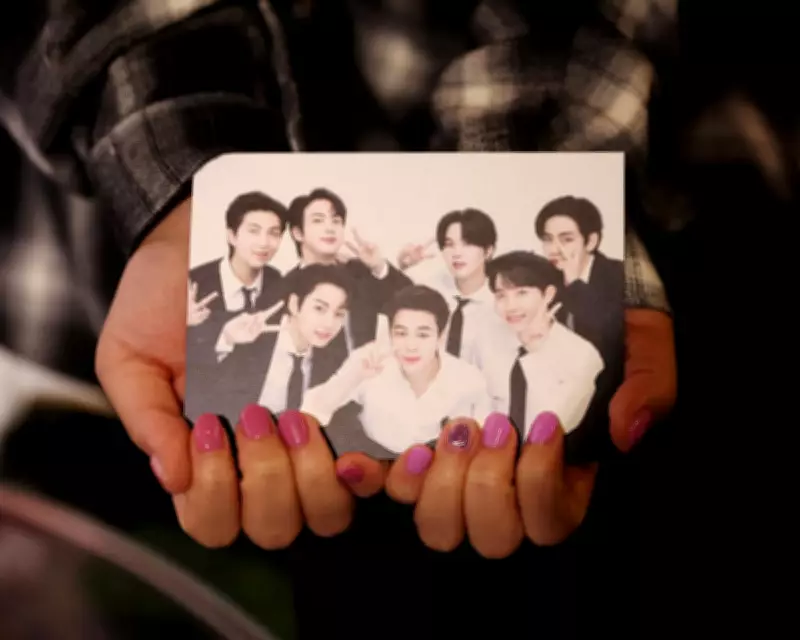
With BTS announcing a comeback album titled Arirang and a world tour next year, Agarwal is eagerly anticipating a return to her 17-year-old self. She plans to stay up late streaming new releases, refreshing presale links, and waiting in early access queues for VIP tickets—this time without the shame that once accompanied her passion.
She expresses gratitude for having grown beyond that intense phase of her life, yet she holds it dear as a formative chapter in her personal development. For Agarwal, BTS fandom was more than just a teenage crush; it was a lifeline that taught her resilience, creativity, and the power of finding joy in the things we love, no matter how others perceive them.