The Radical Sound World of Annea Lockwood
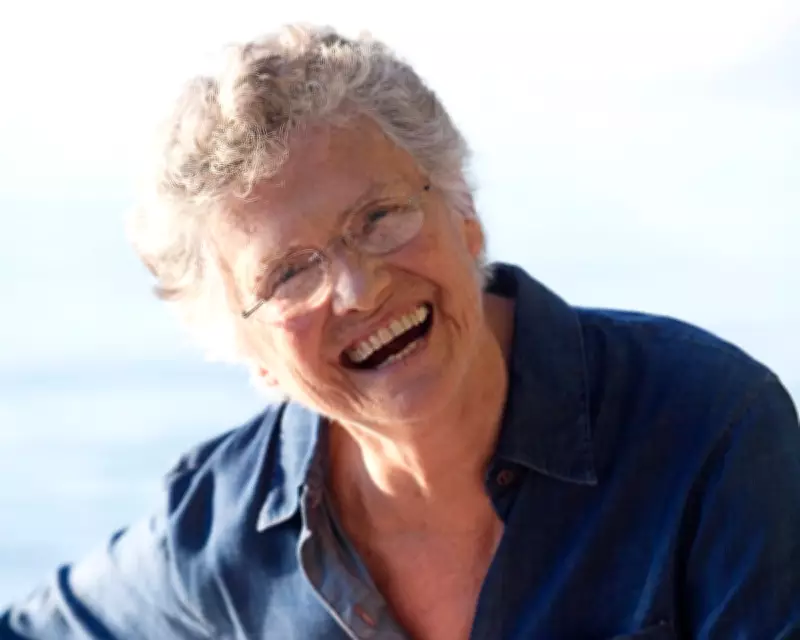
In a Glasgow garden during the Counterflows festival, an 86-year-old composer beams with delight as she swipes her hand across the exposed strings of a partially buried upright piano. The metallic clang that echoes through the air represents just one chapter in Annea Lockwood's extraordinary six-decade career exploring the musical potential of everyday sounds.
From Piano Destruction to Sonic Transformation
Lockwood, a New Zealand native who studied at the University of Canterbury before moving to Europe, has been burying, burning, and drowning pianos since the 1960s. She prefers to call this process "transformation" rather than destruction. Her groundbreaking 1968 work Piano Burning involved setting an old piano alight to record its splitting wood and popping strings.
"Those were innocent times!" she laughs, recalling how she wrapped the microphone in asbestos for the first recording at a London festival. When chattering bystanders ruined that attempt, she and her friends burned a second piano at night. "It was even more beautiful in the dark. We fastened balloons all over it so they would pop."

Afterward, they conducted what she describes as "a seance for Beethoven to see what he thought," recording the session on tape. "When we quiet down, you hear a decidedly strange sound on the tape recorder," she remembers with amusement.
The Evolution of Environmental Sound Exploration
Lockwood's journey into experimental sound began with her 1966 work The Glass Concert, which amplified glass objects being played or broken. This early exploration asked a fundamental question that has guided her career: "What if we listened to a single sound event in the way we would a musical phrase?"
After studying electronic music around Europe, she found herself drawn to environmental sounds for "their complexities, their instabilities and, often, their unrecognizability." This fascination led to diverse projects including 1969's Piano Garden, where she "planted" pianos to observe how their sound changed as plants grew through the mechanism.
Her work took a significant turn when she moved to America in 1973 at the invitation of experimental composer Pauline Oliveros. There, she met Ruth Anderson, who would become both her collaborator and life partner. Their relationship profoundly influenced Lockwood's artistic direction.
Global Rhythms and River Soundscapes
Sitting by a lake one day with Anderson, the pair wondered: "Wouldn't it be amazing if we could hear all the world rhythms folded into one enormous rhythm?" This question inspired Lockwood's ambitious World Rhythms project, which mixes recordings of earthquakes, volcanoes, geysers, and human biorhythms.
A newly expanded version, revised by Lawrence English using remasters of the original tapes, reveals even more of the sounds Lockwood collected decades ago. For this work, participants would strike a tam-tam only when the physical sensation of the previous movement had entirely passed, creating a unique temporal experience.
Her environmental documentation extended to waterways with A Sound Map of the Danube, for which she traveled Europe's second-longest river collecting recordings of wildlife and human activity. She asked people along the riverbank: "Could you live without it?"
Personal Loss and Artistic Response
Anderson's death in 2019 prompted Lockwood to rediscover Conversations, a private piece they had created by collaging snippets of their daily phone calls with old love songs. "We said to each other: 'We're going to play this when we get old,'" Lockwood recalls wistfully.
Returning to their favorite nature spots, Lockwood combined field recordings with samples of their phone calls to create the intensely poignant piece For Ruth, released alongside the original Conversations. For her, these pieces "talk to each other" across time and memory.

Contemporary Explorations and Social Commentary
Lockwood's experimental spirit continues undiminished. Her 2022 work On Fractured Ground features recordings of Belfast's peace walls that divide Catholic and Protestant neighborhoods. She recalls collaborator Pedro Rebelo "picked up a leaf and he started running the leaf's stem across the wall – we were getting beautiful high sounds."
But her smile fades as she reflects on the context: "All of this sound-generating stuff – it has such tragedy. It's encased in such tragedy." Before beginning the project, she immersed herself in reading about the Troubles, moved by stories of figures like Bernadette Devlin and the 1969 Battle of the Bogside. "It's still with me," she acknowledges.
The Philosophy of Listening
For Lockwood, the very act of listening represents a form of meditation. "If you're focusing your attention so strongly on listening, it's a form of meditation," she explains with a grin. "Which is so nourishing."
She believes that when we cannot immediately recognize a sound, we listen more intently. This philosophy has guided her life's work, which she describes as less about making sound than encouraging deeper listening. After experiencing her Piano Garden installation, observers often report a heightened awareness of ambient sounds in their daily environments.
At 86, Annea Lockwood remains as invested as ever in her radical mission to help people appreciate the music inherent in everyday sound. From burning pianos to mapping rivers and documenting social divisions through audio, her career demonstrates how experimental approaches to sound can transform our relationship with the world around us.