Hip-Hop Pioneer Afrika Bambaataa Passes Away at 67 in Philadelphia
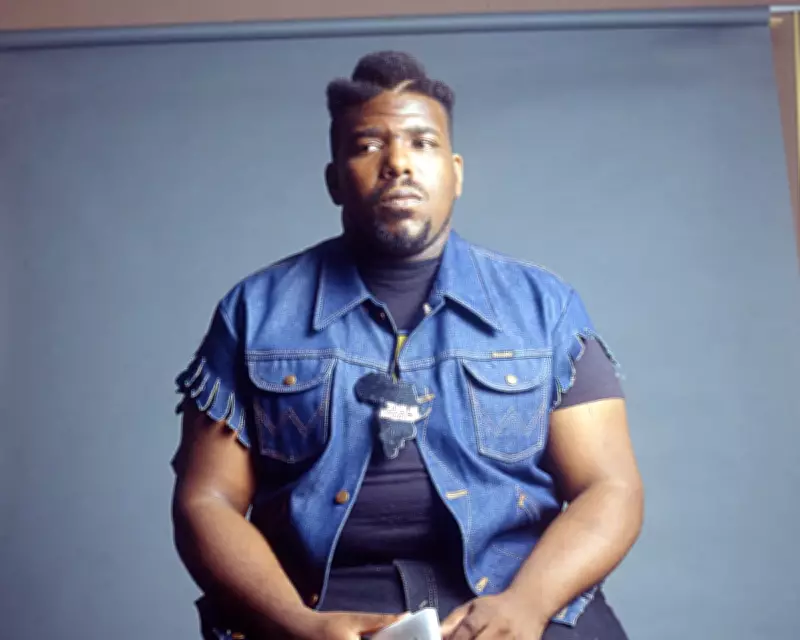
The American rapper and DJ Afrika Bambaataa, a foundational architect of hip-hop culture, has died at the age of 67. According to a report from TMZ, the musician passed away in Philadelphia at approximately 3 a.m. local time due to complications arising from cancer. Born Lance Taylor in the Bronx, Bambaataa played an instrumental role in introducing hip-hop to the mainstream during the 1980s, most notably with his groundbreaking 1982 electro-funk single Planet Rock.
A Complex Legacy of Cultural Influence and Controversial Allegations
The Hip-Hop Alliance, an organization led by musician Kurtis Blow, issued a statement acknowledging Bambaataa's death. The group described him as a "foundational architect of hip-hop culture" who helped shape the early identity of the genre as a global movement rooted in peace, unity, love, and enjoyment. However, the statement also explicitly recognized the serious allegations of child sexual abuse made against the singer throughout his later life.
"At the same time, we recognize that his legacy is complex and has been the subject of serious conversations within our community," the Hip-Hop Alliance wrote. "As an organization committed to truth, accountability, and the preservation of Hip Hop culture, we believe it is important to hold space for all voices while continuing to uplift what empowers and protects the people."

Shaping Hip-Hop: From the Bronx to Global Recognition
Afrika Bambaataa's career was marked by significant artistic achievements that left an indelible mark on music history:
- Inspired by DJ Kool Herc and the solidarity of the Zulu people, he founded the influential hip-hop collective Universal Zulu Nation in the late 1970s.
- His 1982 hit Planet Rock, which famously sampled the German electronic group Kraftwerk, became a club anthem and helped establish the electro-funk genre.
- He collaborated with a diverse range of artists including John Lydon, George Clinton, James Brown, Melle Mel, and Trouble Funk.
- In 1985, Bambaataa contributed to the landmark anti-apartheid album Sun City as part of Artists United Against Apartheid, alongside musicians like Bob Dylan, Bono, Bruce Springsteen, and Run-DMC.
- He continued releasing music for decades, with his final album Dark Matter Moving at the Speed of Light arriving in 2004.
The Shadow of Abuse Allegations and Legal Battles
Despite his cultural contributions, Bambaataa's later years were clouded by multiple allegations of child sexual abuse and trafficking:
- In 2016, several men from the Bronx came forward accusing Bambaataa of molestation. The musician denied these accusations, calling them "baseless and a cowardly attempt to tarnish my reputation and legacy."
- Former bodyguard Shamsideen Shariyf Ali Bey provided disturbing accounts, stating he had witnessed questionable situations involving Bambaataa and teenage boys during tours.
- In May 2025, an anonymous plaintiff filed a civil case accusing Bambaataa of four years of sexual abuse beginning in 1992 when the plaintiff was just 12 years old. The musician lost this case by default after failing to appear in court.
The death of Afrika Bambaataa marks the end of a life that embodied both the creative explosion of hip-hop's formative years and the painful complexities that can accompany artistic legacies. His contributions to music culture remain significant, while the serious allegations against him continue to prompt difficult conversations about accountability and truth within the hip-hop community and beyond.