One of London's most iconic institutions is preparing to unlock its doors to spaces that have been hidden from public view for generations. The Natural History Museum in South Kensington has announced plans to reopen two significant galleries, one of which has not been accessible to visitors since the Second World War.
Unlocking Decades of Hidden History
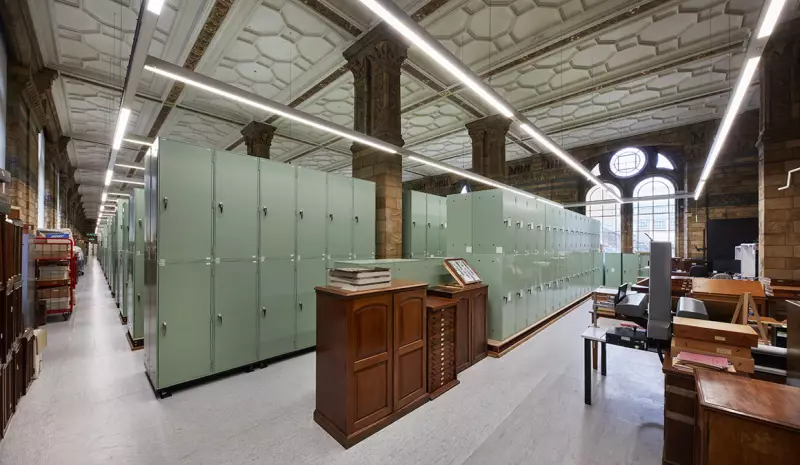
The ambitious project centres on two specific areas. The Old General Herbarium, a space Londoners have not seen since 1948, is slated to launch in 2026 as a pop-up exhibition titled 'Hidden Histories'. Meanwhile, the Origins gallery, which has been closed since 2004, will be transformed and reopened as a 'Land and Air gallery' before the museum marks its monumental 150th anniversary in 2031.
Currently, these rooms are not empty relics but are actively used to house parts of the museum's vast behind-the-scenes collection. Preparing them for public display, however, presents a colossal logistical challenge. It necessitates the careful transfer of millions of specimens, ranging from delicate insects to substantial fossils.
The Mammoth Move of 38 Million Specimens
The scale of the museum's collection is staggering. As reported, the Natural History Museum holds an estimated 80 million specimens in total. For every taxidermied animal visitors see on display, there are at least 3,000 more kept in storage.
The reopening project will trigger one of the biggest collection moves in the institution's history. Approximately 38 million specimens are scheduled to be relocated next year. Some will be moved to different areas within the iconic South Kensington building, while others will be transferred to the state-of-the-art, multimillion-pound research facility at the Thames Valley Science Park near Reading.
A Vision for the Future
This initiative is driven by the museum's director, Doug Gurr, who has been at the helm since 2020. Gurr has set an ambitious target to continually refresh the museum by introducing 'one new thing a year' leading up to the 2031 anniversary.
The gallery reopenings form a key part of the wider NHM Unlocked programme. This government-backed scheme aims to showcase more of the museum's unparalleled collections to the public while also reinforcing its role as a leading scientific hub. The programme is designed to enable researchers to tackle pressing global issues, such as the climate crisis and biodiversity loss, by providing greater access to these invaluable resources.
The move signifies a major step in the museum's evolution, transforming hidden archives into public treasures and cementing its place as a dynamic centre for both public engagement and cutting-edge scientific research for the next 150 years.