The UK poetry market has achieved its best-ever half-year in sales, driven by a surge in interest in both classical epics and contemporary "Instapoets," according to recent reports. The Bookseller noted that poetry sales are at a historic high, with Christopher Nolan's film The Odyssey sparking a renewed appetite for Homer's works. Editions of The Odyssey and its prequel, The Iliad, have collectively generated nearly £1 million in UK book sales this year. Even excluding the Homer effect, sales of poetry texts and anthologies have risen by 7.2% from an already elevated baseline.
Instapoets Lead the Charge
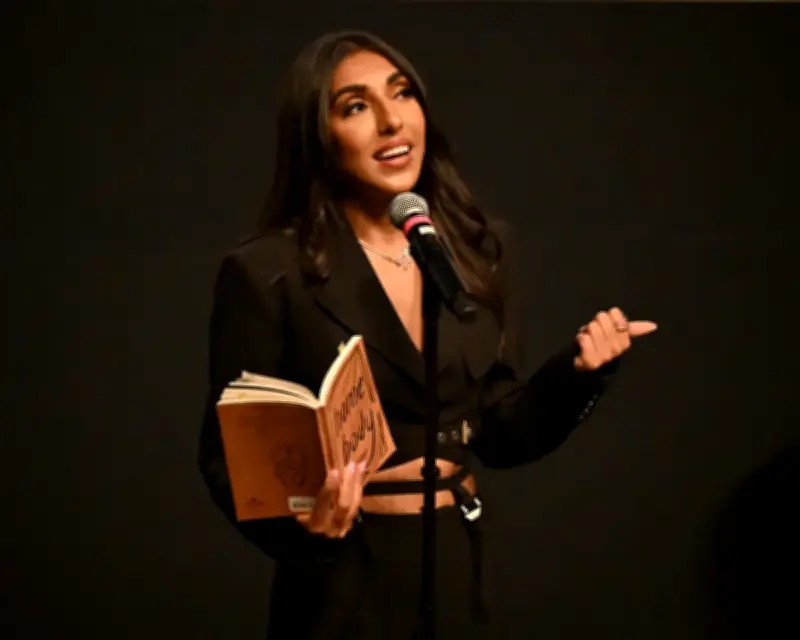
The poets driving this surge are not the traditional canon—such as Berryman, the Brownings, Marvell, Milton, Pope, or Pound—whose works remain niche interests for dedicated literature students. Instead, the publishing phenomena are "Instagram poets" like Donna Ashworth, Rupi Kaur, Amanda Lovelace, and Lucas Jones. Jones's collection, I Still Believe in Miracles, has earned £400,000 in sales this year alone.
These new poets appeal through their directness and accessibility. Lucas Jones writes in the introduction to I Still Believe in Miracles, "Maybe you kinda feel how I feel." Amanda Lovelace, who avoids capital letters in her work, dedicates her 2022 collection unlock your storybook heart to "anyone who feels like they've yet to find themselves: i promise it's not too late." She also advises readers to practice "self-care before, during and after reading."
Critical Backlash and the Therapy Debate
Critics, however, dismiss such work as more akin to therapy than poetry, suggesting it belongs on self-help shelves. Since Instapoetry emerged online in the mid-2010s, a fault line has divided poets and critics. In a 2018 article in PN Review, Rebecca Watts labeled poets including Kaur, Kae Tempest, and Hollie McNish as "artless and amateur," highlighting the schism. While Instapoets have successfully transitioned to print, the debate persists: is this literature for a post-literate age, or a healthy counter to a canon often criticized as "male, pale, and stale"?
Proponents argue that a corrective to the canon is overdue, and poets who resonate with a young readership facing mental health challenges should not be dismissed. Yet there are concerns. In June, Faber published Talking in Bed, a slim anthology of Philip Larkin poems, which some see as co-opting Larkin into the poetry-as-therapy movement. The blurb claims Larkin "finds a way of admitting and delineating our nagging questions and most complicated feelings," a characterization that might have amused the acerbic poet. Poetry, critics argue, should be allowed to be both hermetic and accessible, threatening as well as therapeutic.
Impact on the Literary Landscape
The record sales reflect a shifting literary landscape where accessibility and emotional resonance are prized, but they also raise questions about the future of poetic form and criticism. As the market embraces both ancient epics and modern Instapoets, the industry faces the challenge of balancing commercial success with artistic diversity. The trend shows no sign of slowing, with publishers likely to invest further in both traditional and contemporary voices to meet reader demand.