A fascinating literary connection has been highlighted in the Guardian's letters pages, suggesting that a famous political maxim attributed to the Italian Marxist Antonio Gramsci may have deeper poetic roots in English literature.
Between Two Worlds: Arnold and Gramsci
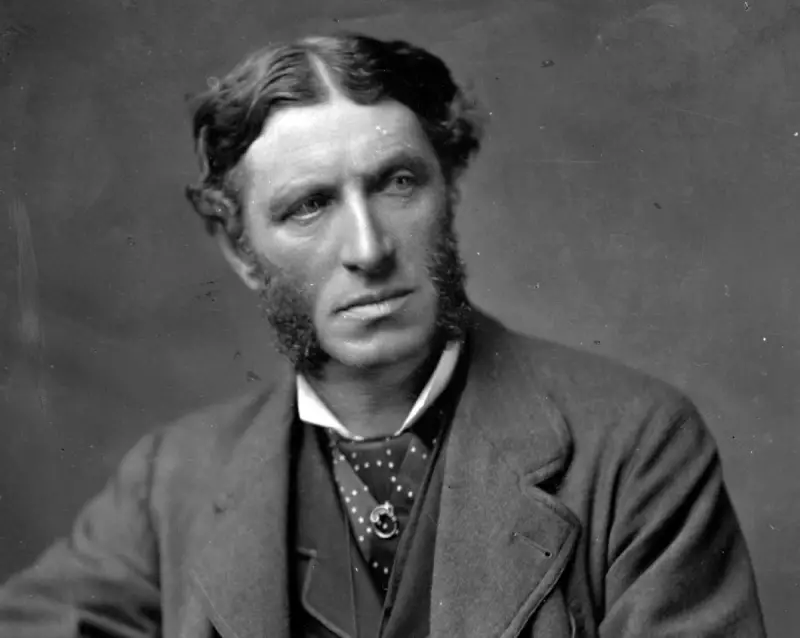
Patrick Wintour's recent article on international law opened with the well-known Gramsci quotation: "The old world is dying, and the new world struggles to be born." However, a reader from Oxfordshire points out that this idea bears a striking resemblance to lines written decades earlier by the Victorian poet and critic Matthew Arnold.
In his poem, Arnold wrote of "Wandering between two worlds, one dead / The other powerless to be born…". The reader, Hugh Macmillan, suggests that Gramsci, as a critical sociologist, would likely have been aware of Arnold's work, raising questions about the true origin of this powerful sentiment.

A Selection of Brief Letters
The correspondence section also featured a range of other reader contributions. One letter from Brighton offered a musical warning to Donald Trump, referencing the 1985 song 'Trumpton Riots' by Half Man Half Biscuit. The song humorously depicts a revolt against an autocratic figure, a timely reference given recent political discourse.
Another reader from Staffordshire shared a delightfully quirky potential spoof sign spotted in Stamford, which read: "On this site Sept. 5, 1782 nothing happened." This follows recent news about confusing but charming signs in Christchurch.
Politics, Memory, and Christmas Messages
The letters also touched on contemporary political figures. One correspondent from London questioned the phrasing used in a report about Nigel Farage, asking pointedly if there could ever be a "right end" of racist abuse.
In a lighter note, a reader from Warwickshire observed that Kemi Badenoch was the only party leader to mention the birth of Christ in her Christmas message, wryly pondering if the Conservatives had found a new saviour.
Finally, a letter from Hampshire added a relatable stage of life to the ongoing discussion about television: the point where one cannot remember if they have seen the acclaimed shows of the year or not.
These letters collectively paint a picture of an engaged readership, drawing connections between culture, history, and current affairs, from the literary inspirations of political theory to the whimsical humour found on a local street sign.