Food delivery rider Wang Jibing, 56, has won China's top literary award, highlighting a revival of workers' writing in the 21st century that is bottom-up rather than directed from above. Wang first gained attention in 2022 when a poem about his experiences went viral. The following year, Hu Anyan's memoir I Deliver Parcels in Beijing became a bestseller.
Historical Context of Workers' Writing
In the early 20th century, Chinese intellectuals sought to capture the harsh realities of working-class lives. Under Mao Zedong, the idea of writing by as well as about the masses became reality, with labourers encouraged to take up the pen. However, the party strictly governed language even in diaries and personal letters, limiting style and content. This enthusiasm diminished after Mao, but workers' writing has seen a revival in the 21st century, now emerging organically from the grassroots.
Contrast with Maoist Literature
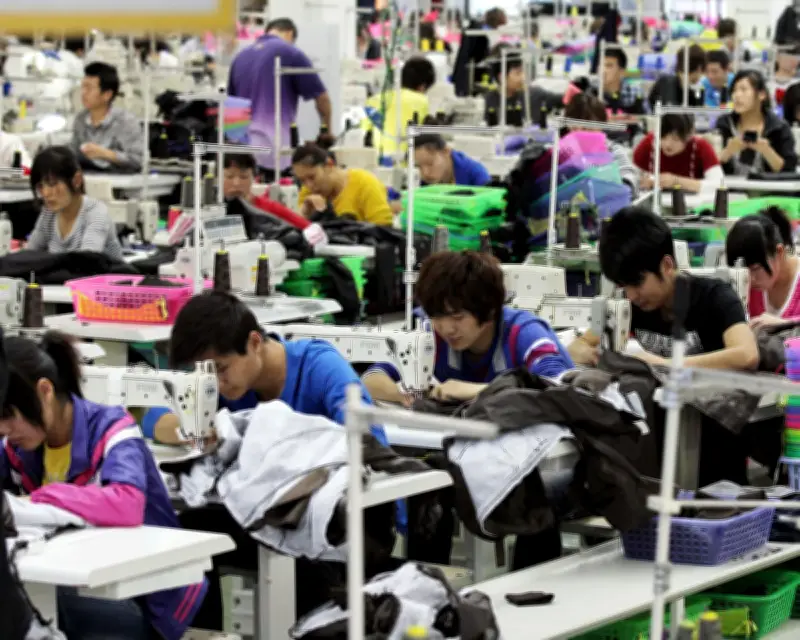
Maoist literature aimed to educate and mobilise the masses, portraying heavy labour as transcendent and workers as almost superhuman. In contrast, poet Xiao Hai's memoir Adrift in the South, published in English in May, expresses bitterness and regret over losing his best decade on the assembly line due to family poverty. The individual struggle to survive has replaced paeans to collective toil, with hope giving way to numbness or despair.

The Symbolism of the Screw
The image of the screw once represented workers' pride in contributing to a greater cause. But in the poetry of Xu Lizhi, a Foxconn worker who died by suicide in 2014, it reflects their insignificance and replaceability. These accounts of exploitation and dangers, of bodies and souls ground down, are unsparing, but the Communist party tolerates little work on topics like corrupt officials or collective organisation. Many grassroots writers post online, where their work can easily be deleted. The well-known poet Zheng Xiaoqiong collected stories in Woman Worker, but it has never been fully published due to extensive changes demanded by publishers.
Growing Attention to Labor Literature
This new generation of writing has drawn wider attention in recent years. Fan Yusu's essay on life as a migrant worker made her a literary sensation in 2017. During the pandemic, some began to notice low-paid workers keeping the country running. A growing sense of precarity among the middle classes may have contributed. Labourers have been at the sharpest end of China's breakneck development, but others share their concerns about the country's path and fear status slippage.
Global Resonance
These narratives resonate outside China, delineating the unsavoury underpinnings of the globalised economy and speaking to widespread unease. I Deliver Parcels in Beijing has been sold to 16 countries, with an English edition released last year. In many places, there are still more books about workers than by them, raising questions about the absence of English-language bestsellers by Amazon warehouse operatives or viral poetry about care work on zero-hours contracts.