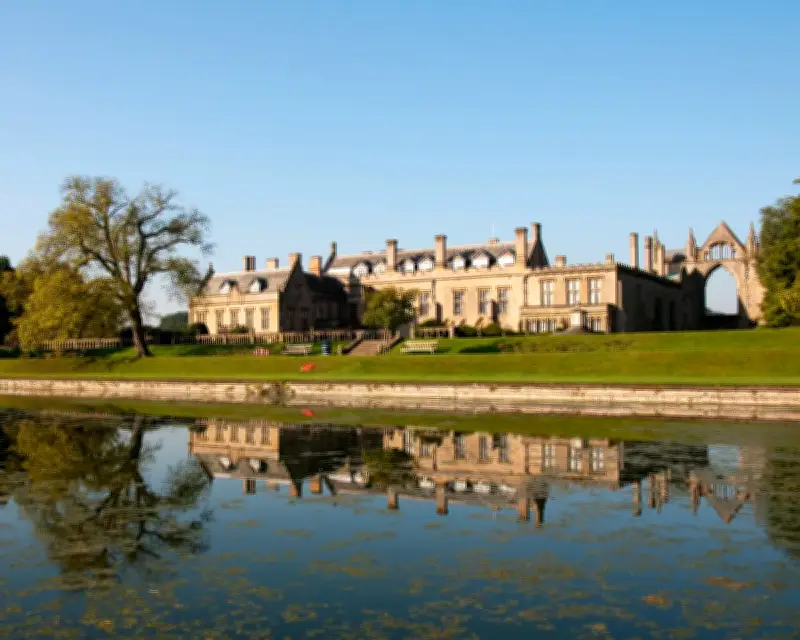
A new book titled The Happy Valley of Byron's Old Abode has been published, offering a fresh exploration of the poet Lord Byron's former residence in Greece and the surrounding landscape that inspired his work. The book, authored by historian Dr. Maria Papadopoulos, delves into the history and cultural impact of the site, known as the 'Happy Valley,' located near the town of Missolonghi.
Historical Context and Significance
According to the book, the 'Happy Valley' was the name Byron gave to the area around his home in Missolonghi, where he lived during the Greek War of Independence in the 1820s. The site, now a protected heritage area, includes the ruins of Byron's house and a small museum dedicated to his life. Dr. Papadopoulos notes that the valley was a source of inspiration for Byron's later poetry, including his unfinished work The Deformed Transformed.
The book reveals that the property was originally a Venetian villa, later used by Byron as a base for his military and political activities. It includes previously unpublished letters from Byron to his half-sister, Augusta Leigh, describing the valley as 'a place of profound peace and beauty.'
Modern-Day Impact and Legacy
Dr. Papadopoulos writes that the site has become a pilgrimage destination for literary enthusiasts and historians. The Greek government has recently allocated €500,000 for restoration work, according to the book. The author also highlights the ongoing debate over Byron's legacy, particularly his role in the Greek War of Independence and his complex personal life.
The book includes a quote from local historian Nikos Stavros, who says, 'Byron's presence here is still felt. The valley remains a symbol of his love for Greece and his struggle for freedom.'
Critical Reception and Future Plans
Early reviews of the book have been positive, with literary critics praising its detailed research and evocative writing. The publisher, Athens University Press, plans to release an English translation next year. The book is currently available in Greek and has been featured in several literary festivals across Europe.
Dr. Papadopoulos concludes that the 'Happy Valley' serves as a reminder of Byron's enduring influence on both Greek and British culture. The restoration work is expected to be completed by 2028, with a new visitor center planned to open in 2029.