A Celebration of British Innovation
The Festival of Britain, held in 1951, was a landmark event that showcased the nation's recovery and creativity after World War II. It was conceived as a 'tonic for the nation,' aiming to lift spirits and promote British achievements in science, technology, arts, and industry. The festival's main site on London's South Bank became a hub of innovation, featuring the iconic Skylon tower and the Dome of Discovery.
Cultural and Architectural Impact
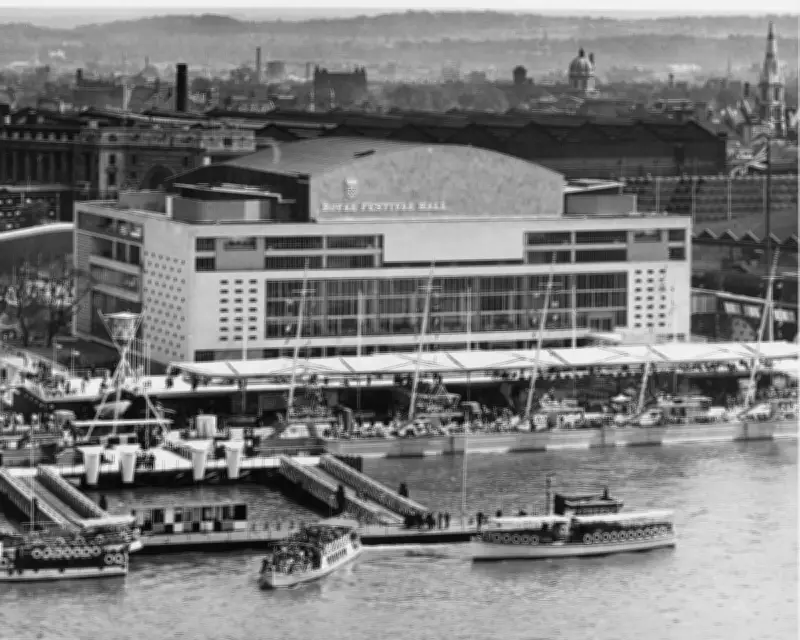
The festival left an indelible mark on British architecture and design. The modernist structures, such as the Royal Festival Hall, introduced a new aesthetic that influenced public buildings for decades. The emphasis on functional yet artistic design resonated with the public, fostering a sense of national pride. The festival also highlighted the importance of public spaces, with the South Bank becoming a cultural quarter that remains vibrant today.
Legacy in Design and Arts
The festival's influence extended beyond architecture. It spurred a renaissance in British graphic design, with posters and publications featuring bold, colorful patterns. The Festival Pattern Group, led by designer Lucienne Day, created textiles and wallpapers that became synonymous with 1950s style. This period saw a fusion of art and everyday life, making good design accessible to all.
Social and Political Context
The Festival of Britain was not without controversy. Some critics viewed it as a political tool for the Labour government to promote socialist ideals and distract from post-war austerity. However, for many, it represented hope and a break from the past. The festival attracted millions of visitors, fostering a collective experience that transcended class divides. It also prompted discussions about national identity and the role of culture in society.
Comparative Analysis with Later Events
Comparisons have been drawn between the Festival of Britain and later events like the Millennium Dome. While both aimed to celebrate British achievements, the 1951 festival is often regarded as more authentic and cohesive. The Millennium Dome faced criticism for its commercialism and lack of clear purpose, whereas the Festival of Britain maintained a focus on education and public engagement.
Enduring Influence
The festival's legacy persists in contemporary British culture. The Royal Festival Hall remains a premier venue for music and arts, and the South Bank continues to host festivals and exhibitions. The emphasis on design and innovation has influenced subsequent generations of artists and architects. Moreover, the festival's spirit of optimism and creativity continues to inspire national celebrations, such as the 2012 London Olympics opening ceremony, which echoed the 1951 event's themes of unity and progress.
In retrospect, the Festival of Britain was more than a temporary exhibition; it was a statement of resilience and a blueprint for cultural regeneration. Its reflections can still be seen in the way Britain celebrates its heritage and embraces modernity.