Greece Recovers Long-Lost Photographs of Nazi May Day Executions in Athens
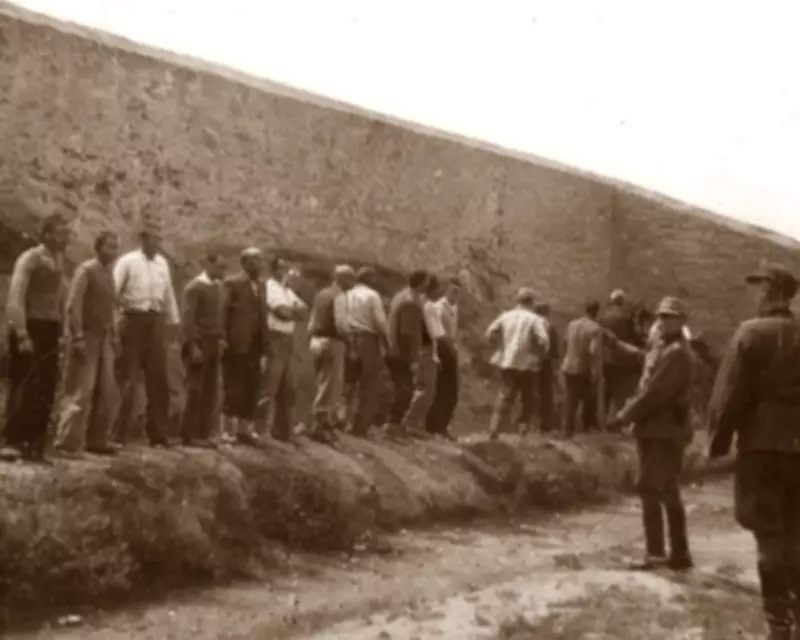
In a significant historical discovery, Greece has successfully recovered a collection of long-lost photographs that document the brutal Nazi May Day executions in Athens during World War II. These images, which had been missing for decades, provide a stark and visual record of one of the darkest chapters in Greek history, offering new insights and evidence for researchers and the public alike.
Discovery and Historical Context
The photographs were uncovered through a collaborative effort involving Greek authorities, historians, and international archives. They depict the executions carried out by Nazi forces on May 1, 1944, in the Kaisariani area of Athens, as part of a reprisal for resistance activities. This event, often referred to as the May Day massacre, resulted in the deaths of numerous Greek civilians and resistance fighters, and it has long been a symbol of the atrocities committed during the occupation.
The recovery of these images is not just an archaeological find but a moral imperative, as it helps preserve the memory of the victims and ensures that such horrors are not forgotten. Historians emphasize that visual evidence like this is crucial for understanding the full scope of Nazi crimes in Greece, which included widespread executions, deportations, and economic exploitation.
Impact on Historical Research and Public Memory
These photographs are expected to have a profound impact on both academic research and public commemoration. For scholars, they offer a primary source that can corroborate oral histories and written accounts, potentially leading to new interpretations of the occupation period. The images may also aid in identifying victims and providing closure to families who have sought information for generations.
In terms of public memory, the recovery reinforces Greece's ongoing efforts to confront its wartime past and honor those who suffered. Museums and educational institutions are likely to incorporate these photos into exhibitions and curricula, fostering a deeper awareness among younger generations. This aligns with broader European initiatives to document and remember the victims of World War II, ensuring that lessons from history are passed down.
Challenges and Future Steps
The process of recovering and authenticating the photographs involved significant challenges, including issues of provenance and preservation. Many such artifacts were lost or destroyed during the war, and those that survived often ended up in private collections or foreign archives. Greek officials have worked diligently to trace and repatriate these items, highlighting the importance of international cooperation in cultural heritage recovery.
Looking ahead, Greece plans to digitize and publicly archive the photographs, making them accessible for research and education. This move is part of a larger strategy to strengthen historical documentation and promote transparency. Additionally, there may be calls for further investigations into other lost artifacts from the war era, as Greece continues to piece together its complex history.
In summary, the recovery of these long-lost photographs marks a pivotal moment for Greece, shedding light on a tragic event and contributing to the global understanding of Nazi atrocities. It serves as a reminder of the enduring need to preserve historical truth and honor the memories of those who perished.