Descendant of Charles Dickens Celebrates Legacy with Golden Statue Unveiling
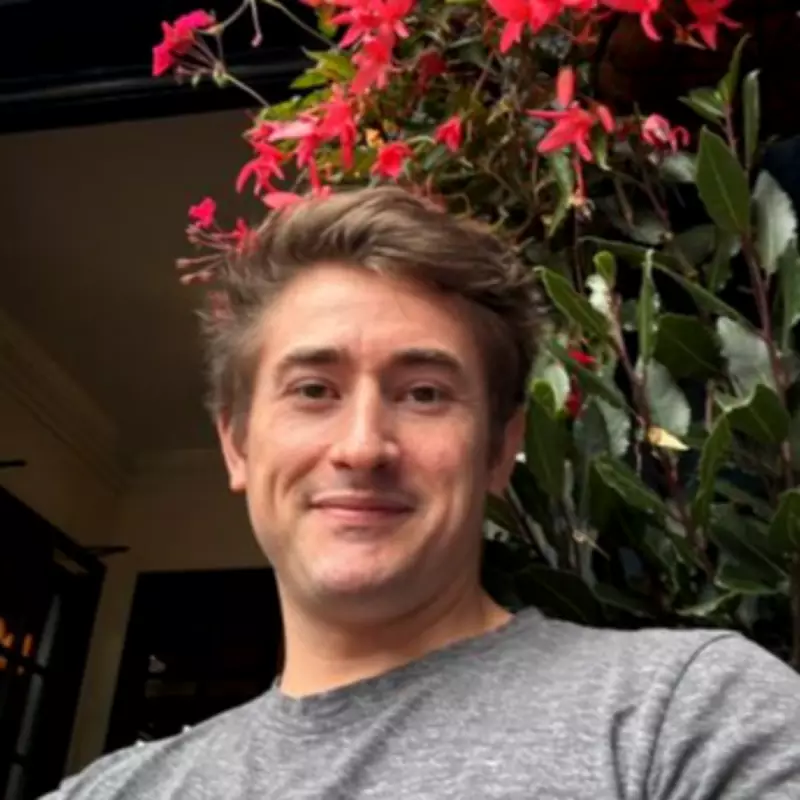
Ollie Dickens, the great-great-great-grandson of literary giant Charles Dickens, has spoken passionately about carrying forward his ancestor's profound legacy as a new golden sculpture is installed in Southwark. The artwork, depicting a Dog and Pot, holds deep personal significance for the Dickens family, symbolising the resilience and ambition that defined the Victorian novelist's early life.
A Symbol of Hope and Ambition
When Charles Dickens was just twelve years old, he trudged through London's streets to work at a blacking factory, his father imprisoned for debt and his prospects seemingly bleak. According to family lore, what sustained him during this difficult period was the sight of a pub sign featuring a Dog and Pot – a glimmering golden beacon representing escape, determination, and survival.
Nearly two centuries later, that very symbol has been resurrected in gilded form. A sculpture of a golden dog licking a golden pot now stands as a permanent tribute, with Ollie Dickens present at its unveiling ceremony on February 7th at 2pm. The location, at the junction of Union Street and Blackfriars Road opposite Southwark Tube station, is particularly poignant, situated roughly a third of a mile from where the young Dickens toiled in the blacking factory.
Historical Roots and Artistic Inspiration
The Dog and Pot motif has a rich history dating back to the 15th century, originally denoting a disorganised or lazy household where a cooking pot was given to a dog to lick clean. Historical research indicates that a tavern bearing this name existed in Boston, Massachusetts in the 1720s, becoming a familiar landmark for sailors arriving from London.
Lead artist Jason Brooks drew inspiration for the restoration from 19th-century cast-iron coalhole covers, specifically a design by J.W. Cunningham. Much of Brooks' work is influenced by these intricate Victorian ironmongery patterns, making this commission a fitting homage to the era Dickens so vividly depicted.
A Personal Connection to a Literary Giant
Ollie Dickens, who resides near Tunbridge Wells in Kent, described feeling profoundly privileged to be associated with both the project and his illustrious forebear. "It's a privilege to hold the same name and a bit of DNA as that great man," he told reporters. He reflected on Dickens' unique focus on ordinary people, contrasting his work with contemporaries like the Brontës and Jane Austen who often centred upper-class narratives.
"Dickens wrote about the downstairs, not the upstairs," Ollie explained. "He gave voice to characters like Mrs Gamp and Bob Cratchit – real people grappling with everyday struggles. His writing was raw, uncovered, and based on the reality he observed during his nocturnal walks through London's streets."
Dickens' Enduring Social Relevance
Ollie emphasised that his ancestor was far more than just a novelist; he was a tireless campaigner for social reform, women's rights, and exposing corruption. "He was absolutely hellbent on social reform," Ollie noted, highlighting Dickens' remarkable influence without modern communication tools. He speculated that Dickens might have appreciated platforms like social media, but only if used for positive purposes.
The descendant believes Dickens' work remains strikingly relevant today because it addresses fundamental human truths. "He wrote about real people, real problems, real struggles," Ollie stated. "In an age where online information can be dubious, Dickens' commitment to giving voice to the voiceless is more important than ever."
Carrying the Torch Forward
Ollie first grasped his family connection through watching The Muppet Christmas Carol as a child, but fully appreciated Dickens' multifaceted legacy only in adulthood. Now, he is embracing a "Dickensian career", performing one-man shows of A Christmas Carol annually in Texas and planning readings of lesser-known short stories. "I guess you can call it Dickens doing Dickens," he quipped.
He also mentioned his distant cousin, Lucinda Hawksley, another great-great-great-grandchild of Dickens, whom he describes as a phenomenal Dickens scholar and author. Together, they represent a living continuation of the novelist's spirit.
For Ollie, the Dog and Pot statue embodies the enduring energy that runs through the Dickens lineage. "If you work hard then things can happen," he reflected. "It's not guaranteed, but you must use your energy, situation, and innate gifts. Dickens channelled that golden symbol into a burning desire to rise above his circumstances, and that drive is ingrained in us."
The unveiling coincides with the 60th anniversary of the modern Southwark borough, creating a layered celebration of local history and cultural heritage. As the golden sculpture takes its place, it serves not only as a memorial to a literary icon but as a timeless reminder of resilience, ambition, and the power of storytelling to transform society.