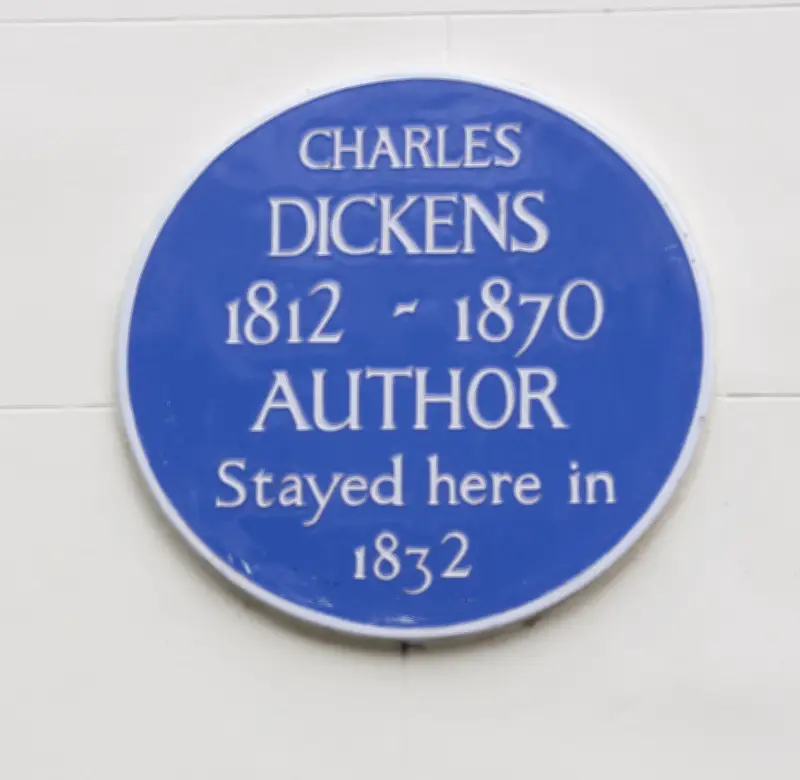
In the summer of 1832, a house in Highgate became a temporary refuge for the Dickens family, who were fleeing persistent creditors. The entire family, including a 20-year-old Charles Dickens, took shelter at 92 North Road to avoid the arrest of patriarch John Dickens, which would have resulted in his imprisonment for debt.
A Family in Hiding
The property in North Road, Highgate, provided a safe haven during a period of financial turmoil. If creditors had caught up with John Dickens, he would have been sent to a debtor's prison. This was not a hypothetical threat, as John had already experienced incarceration at Marshalsea Prison in 1824 for an unpaid debt of £40 to a baker.
During that earlier imprisonment, John's wife Elizabeth and their younger children joined him inside the prison. Meanwhile, his 12-year-old son Charles was left outside to lodge nearby and work long hours at Warren's Blacking Factory to help pay the family's expenses. John Dickens was eventually released after receiving a family inheritance that helped clear his debt.
Literary Legacy from Trauma
Charles would later draw on this traumatic and shameful experience in his depictions of the miserable poverty of Victorian London. The debt-ridden character Mr Micawber in David Copperfield is widely believed to be modelled on the author's father. Additionally, Dickens borrowed the name of a kind fellow factory worker, Bob Fagin, for his infamous criminal in Oliver Twist.
By August 1832, Charles had left work in a law office to pursue a career as a parliamentary newspaper reporter. He lodged in North Road with his family, writing to his friend Henry Kolle: "The address is Mrs Goodman’s next door to the old Red Lion. If you can make it convenient to come down, write to me and fix your own day. I am sorry I cannot offer you a bed because we are so pressed for room that I myself hang out at the Red Lion, but should you be disposed to stay all night I have no doubt you can be provided with a bed at the same establishment."
From Highgate to Fame
A year after his stay in Highgate, Charles published his first short story. Three years later, he wrote his first novel, The Pickwick Papers, while living in Doughty Street, Bloomsbury. Visitors to what is now the Dickens Museum can see the grille at Marshalsea Prison where John was incarcerated.
The Pickwick Papers was swiftly followed by Oliver Twist, which brought the young author fame and fortune of the kind that would never again leave him in fear of the debtor's prison. Despite his strained relationship with his father over his constant financial embarrassments, Charles supported his parents in their later years and covered John's final expenses.
When John died in 1851 at the age of 65, he was buried at one of the most fashionable locations of the day – Highgate Cemetery – followed by Elizabeth Dickens some 12 years later.