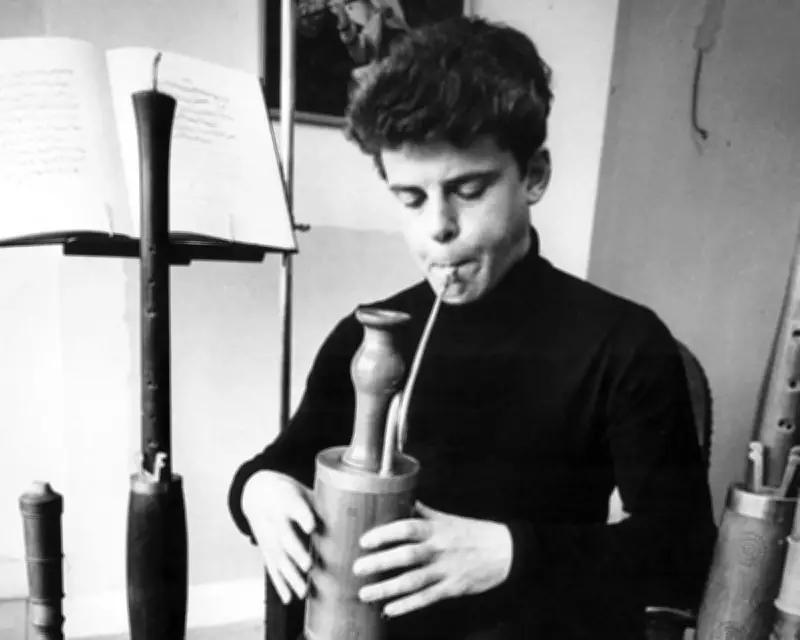
In the annals of classical music, few figures have left as profound an impact as David Munrow, the early music pioneer whose work continues to resonate decades after his untimely death. Edward Blakeman's recent article in The Guardian sheds light on Munrow's extraordinary contributions, celebrating his genius and the enduring legacy of his musical explorations.
The Dawn of a New Era
David Munrow emerged in the 1960s as a visionary who championed the performance of medieval and Renaissance music. At a time when such repertoire was largely overlooked, Munrow brought it to vibrant life, utilizing period instruments and historical research to create performances that were both authentic and electrifying. His ensemble, the Early Music Consort of London, became a beacon for the early music movement, inspiring a generation of musicians and audiences alike.
A Multifaceted Talent
Munrow was not just a performer but also a scholar, arranger, and broadcaster. He possessed an insatiable curiosity that drove him to explore obscure manuscripts and revive forgotten sounds. His recordings, such as The Art of the Recorder and Music of the Crusades, remain benchmarks of the genre, celebrated for their vitality and meticulous scholarship. Munrow's ability to connect with listeners, whether through his virtuosic playing or his engaging radio programs, made early music accessible and thrilling.
The Tragedy of Genius
Tragically, Munrow's life was cut short when he took his own life in 1976 at the age of 33. His death was a devastating loss to the music world, but his influence only grew in the ensuing years. Blakeman's article poignantly reflects on the paradox of a man who brought so much joy and enlightenment to others while struggling with his own inner demons.
Enduring Legacy
Today, Munrow's recordings continue to sell, and his approach to early music has become standard practice. The Early Music Consort of London may have disbanded, but its spirit lives on in countless ensembles worldwide. Munrow's work laid the groundwork for the early music revival, influencing artists like John Eliot Gardiner and Nikolaus Harnoncourt. His passion for authenticity and expression remains a guiding light for performers seeking to breathe new life into old music.
As Blakeman eloquently concludes, David Munrow's brilliance was not merely in his technical skill but in his ability to make history speak. He transformed dusty manuscripts into living, breathing art, reminding us that music from centuries past can still move, challenge, and inspire. In remembering Munrow, we celebrate a true pioneer whose light, though extinguished too soon, continues to illuminate the world of music.