After 32 years, I finally returned to Florence, and what I found left me deeply saddened. My mother and I had eagerly anticipated visiting the cradle of the Renaissance, Tuscany's capital, renowned for its world-class art, from Giotto's frescoes to Michelangelo's sculptures, along with its vibrant opera, classical music, and culinary scenes. However, the city has fallen victim to hit-and-run tourism, which has stripped the heart out of its historic center.
The Disneyland Effect
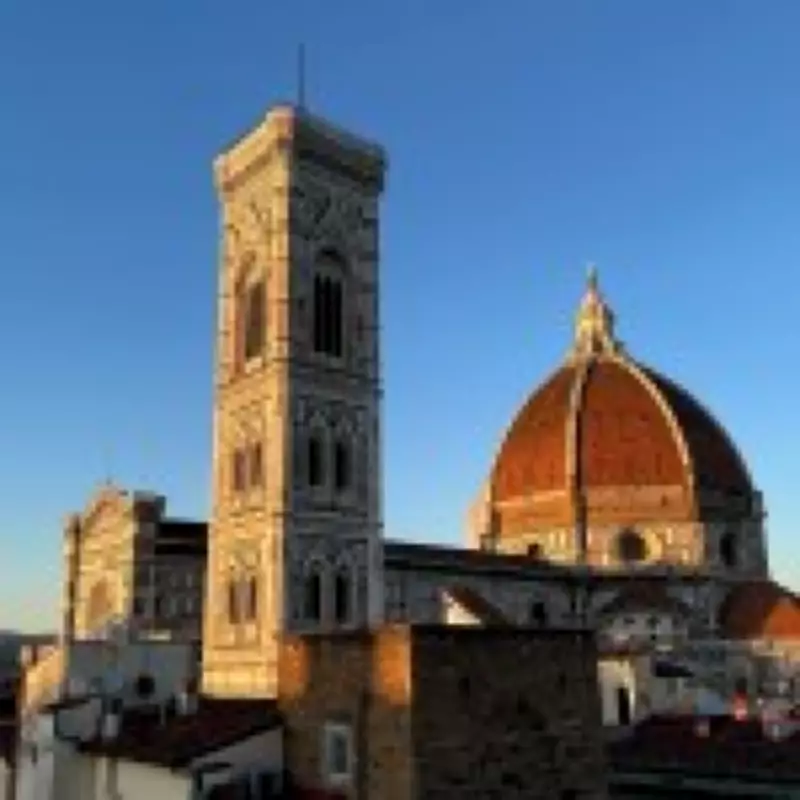
Arriving in mid-April, I hoped to beat the peak season crowds. Instead, from the moment we stepped off the train at Santa Maria Novella station, we were engulfed in a suffocating Disneyland atmosphere. Unlike sprawling cities like Rome or Milan, Florence is compact—you can cross it on foot in about 30 minutes—making it fragile and easily congested. The historic center, a UNESCO World Heritage site, is tiny. Tour groups clogged narrow streets, influencers jostled for perfect photos, and long queues formed outside viral sandwich shops. At Piazza del Duomo, a line snaked around Santa Maria del Fiore for hours, with everyone looking miserable. On the hillside at Piazzale Michelangelo, famed for its sunset views, there was no room to sit or breathe, as crowds stood shoulder to shoulder, more intent on taking pictures than enjoying the moment.
Lost Authenticity
Despite Florence's magnificence, mass tourism has altered its DNA. Emiko Davies, an author and food journalist who lived in Florence since 2005, says locals avoid the historic center due to parking issues, crowds, and unlivable conditions. She moved her family closer to Pisa during the pandemic, driven by soaring rents and stifling conditions. Fewer than 40,000 people now live in the center, which has been overrun by Airbnb apartments and tourist-oriented eateries. Viral gimmicks, like wine windows and the famous All'Antico Vinaio sandwich shop, have replaced authentic neighborhood businesses. Emiko recalls that Via dei Neri once had fruit shops, butchers, and bakeries; now it's a monoculture of tourist traps.
Solutions and Hope
Tourism is vital for Florence, but the problem lies in low-quality, inauthentic experiences. Authorities have taken steps, such as banning key boxes and tour guide loudspeakers, and reducing tour group sizes at the Galleria dell'Accademia. Emiko suggests staggering tourist arrivals throughout the day. Danielle Oteri, an art historian, believes regulating short-term rentals is key. Only by prioritizing citizens over tourists can Florence avoid becoming a theme park.