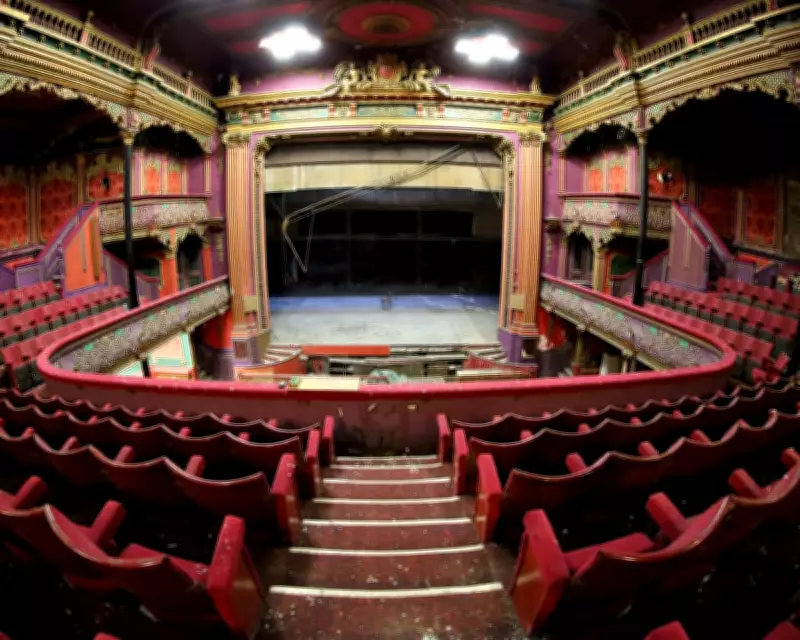
The Guardian's Abandoned Britain series, written by features writer Sam Wollaston, uses words and images to bring derelict buildings back to life. The series explores six empty structures across the UK, each telling a broader story about the nation's social and economic changes.
Blending Fact and Symbolism
Wollaston notes that abandoned buildings are inherently sad, as they represent spaces no longer used for their intended purpose. Rather than forcing metaphors, he lets the buildings speak for themselves. The former Wildings department store in Newport, for instance, reveals tales of changing retail habits and illicit activities like cannabis farming. St Tyfrydog's church in Wales, overgrown with ivy, reflects declining church attendance and shifting demographics.
Visual Storytelling
The series is visually striking, with art direction by Ling Ko and Ellen Wishart. Photos transition from black and white to colour as readers scroll, symbolising the revival of these spaces through storytelling. Creative developer Pip Lev used typographic movement to evoke the liminality between past and present. Picture editor Sarah Gilbert commissioned photographer Christopher Thomond to capture the eerie atmosphere.
Human Connections
Wollaston emphasises the importance of people in these stories. In the church episode, he met Peggy Thomas, now 85, who shared wedding photos from the building's heyday. Her brother Tom was the church warden until it closed. Such personal connections bring the buildings' histories to life.
Upcoming instalments include a former pub in the Lake District and a London tower block where five flats remain occupied. The series deliberately avoids factories to focus on contemporary Britain rather than deindustrialisation.
Explore more on these topics: Wales, Inside the Guardian, Newport, Manchester, features.