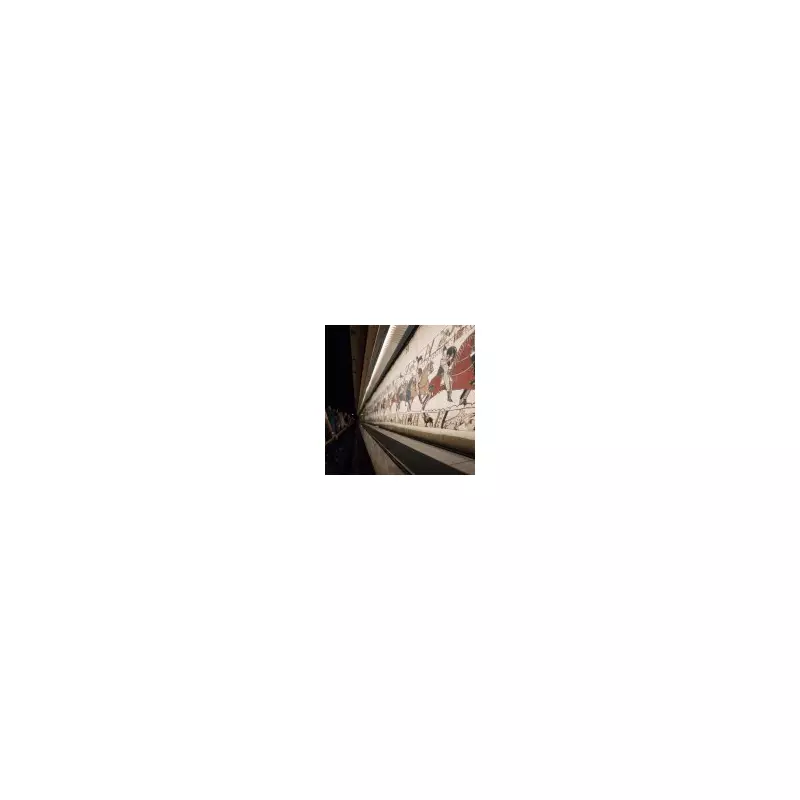
British taxpayers are set to shoulder an unprecedented £800 million insurance responsibility for the historic Bayeux Tapestry during its forthcoming loan to the British Museum. The colossal indemnity, which must receive final approval from Chancellor Rachel Reeves, covers potential damage or loss while the fragile 1,000-year-old artefact travels from Normandy to London.
Record Valuation for a Priceless Artefact
The UK Treasury has provisionally approved a staggering valuation of £800,000,000 for the tapestry. This figure is more than double the price of the most expensive artwork ever sold at auction, underlining the item's immense cultural and historical worth. The embroidered cloth, which depicts the Norman Conquest of England in 1066, is scheduled for display in September 2026.
Logistical Challenges and Expert Criticism
The complex operation to move the 70-metre-long woollen textile has drawn significant criticism from conservation experts, who fear it could be damaged during transit. According to a six-page administrative agreement between Britain and France, reported by the Financial Times, the tapestry will be moved in a special crate equipped with a vibration analysis device. The transfer will see the crate travel by truck through the Channel Tunnel.
The agreement, finalised during French President Emmanuel Macron's state visit in July, refers to the loan as "the temporary relocation of a fragile and degraded thousand-year-old textile." It stipulates that the French state will oversee a dry run of the journey to London. Once in the capital, the British Museum will be responsible for the tapestry's safekeeping and display until its scheduled return in July 2027.
A "Blockbuster" Exhibition
Despite the hefty financial guarantee and logistical hurdles, the exhibition is anticipated to be a major cultural event. George Osborne, the former Conservative Chancellor and current chair of the British Museum, has hailed it as "the blockbuster show of our generation." The display is expected to be the museum's largest and most significant exhibition, drawing visitors from across the globe to see the iconic narrative of the 1066 invasion, believed to have been crafted by English nuns in the 11th century.
The final sign-off from the Treasury represents the last major hurdle before the meticulously planned transfer can proceed, marking a historic moment for UK-France cultural relations and public access to one of the world's most famous medieval artefacts.