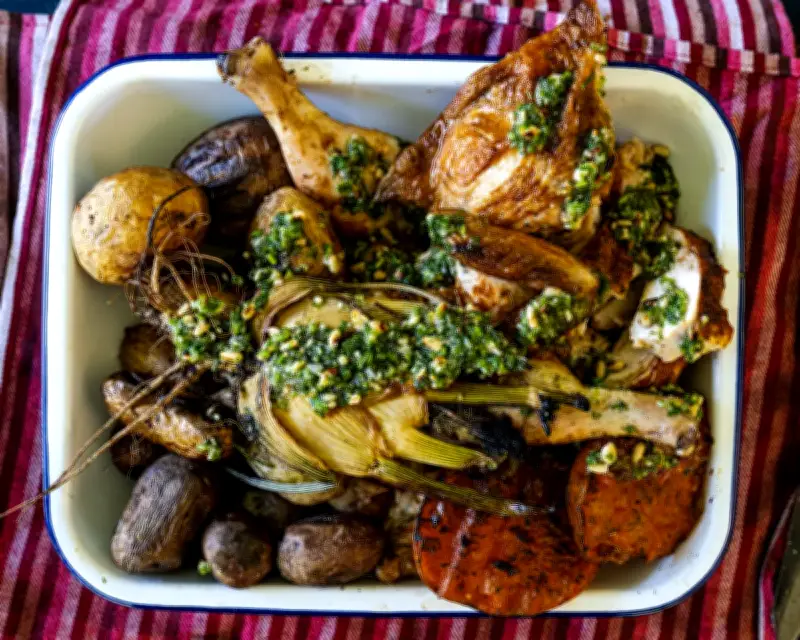
Parmesan rind, often discarded, can be transformed into a powerful pesto that enhances dishes like roast chicken and baked vegetables. This recipe, featured by the Guardian, demonstrates how to use the rind to create a sauce with intense flavor, suitable for whole grain pastas or grilled meats.
The Flavorful Potential of Parmesan Rind
Although parmesan rind is tough, it possesses as much, if not more, flavor than the cheese from inside the wheel. It can be used whole to flavor stock or Venetian pea risotto, but grating it opens up a range of culinary possibilities, including this pesto. The flavor is very powerful, so it should be added to taste, as you may need less than expected.
This pesto creates a more flavorful and robust sauce that holds up well against big flavors, making it an ideal accompaniment to whole grain pastas or barbecued meat and vegetables. The recipe is quick to prepare, whether using a blender or a pestle and mortar, with the latter offering a more interesting texture and potentially stronger flavor due to the crushing and bruising action releasing more flavor compounds.
Ingredients and Preparation
To make parmesan rind pesto, you will need the following ingredients: 4 tablespoons of pine nuts, 1 small garlic clove (peeled), 1 pinch of coarse sea salt, a 75g bunch of fresh basil (including stalks), 2 tablespoons of finely grated parmesan rind (using a Microplane is recommended), and 100-150ml of extra-virgin olive oil.
Begin by toasting the pine nuts in a dry pan until golden brown, then set them aside to cool. In a mortar, grind the garlic and salt to a smooth puree. Work in half of the pine nuts, crushing them into small pieces, and save the rest for later to add texture. Grind in the basil a handful at a time, working quickly to preserve its vivid green color, then pound in the grated parmesan rind.
Finishing and Storage
Slowly grind in the extra-virgin olive oil until the pesto reaches your desired consistency, then finish by stirring in the remaining whole pine nuts and adding more salt to taste. The pesto can be served fresh or kept in a sealed container in the fridge for up to two days.
Alternatively, to make it in a blender, pulse-blend all ingredients except half the pine nuts until smooth but textural. This pesto is a versatile addition to various dishes, offering a robust flavor that elevates simple meals. By using parmesan rind, you reduce food waste and maximize the use of this flavorful ingredient.