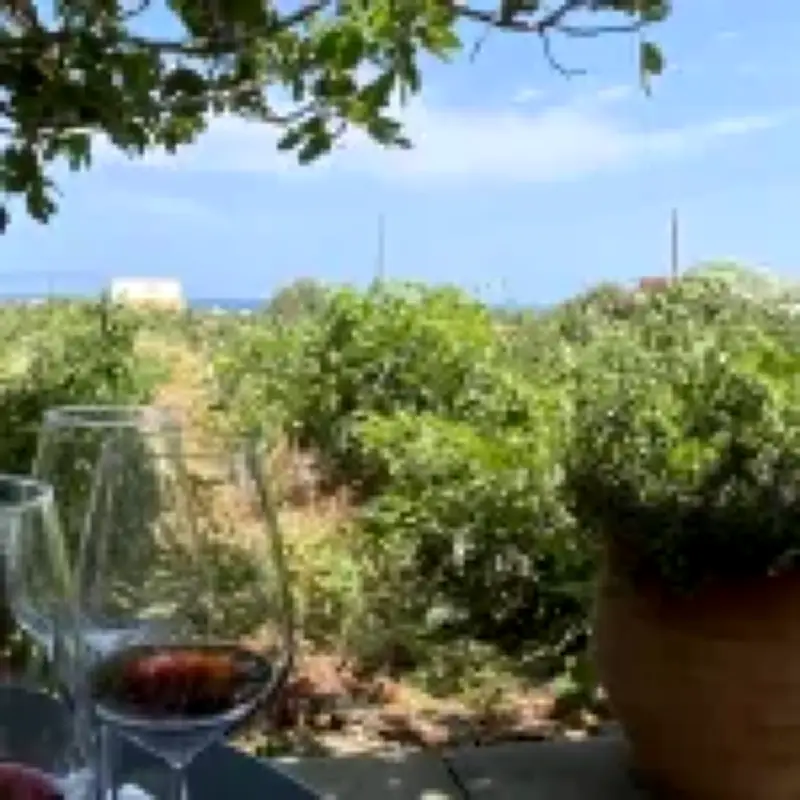
Gaia winery, located on the eastern side of Santorini, stands out as a must-visit destination for wine enthusiasts, according to drinks columnist Robertson Buckhaven, who has visited over 100 vineyards worldwide. The winery, founded in 1994 by Yiannis Paraskevopoulos and Leon Karatsalos, is housed in a converted early-20th-century tomato factory on the black sand of Monolithos Beach, just a few feet from the Aegean Sea.
A Unique Coastal Setting
Unlike many wineries that claim to be 'coastal' but require binoculars to spot the sea, Gaia is parked right beside the water. Visitors can sit under the shade of a tamarisk tree, sip wines, and feel the sea spray. The tasting and tour were led by Yiannis's daughter, Leto (Lito) Paraskevopoulos, who brought the place to life while her father watched on proudly.
The island itself is the remains of an enormous volcano that erupted around 3,600 years ago. Away from the famous caldera views, the eastern side features black volcanic earth, pumice, and charcoal-colored beaches, creating a landscape that Buckhaven describes as 'straight out of Jurassic Park.'
Distinctive Wines and Techniques
Gaia's flagship wine is Thalassitis Assyrtiko, a white wine that is bone dry, fiercely fresh, intensely mineral, and has an invigoratingly saline edge. The winery is also pioneering, experimenting with submerging bottles 25 metres deep in the Aegean to age beneath the water, using darkness, stable temperature, and high pressure as an alternative to conventional cellar ageing.
The native Assyrtiko grape thrives in Santorini's harsh conditions, which include almost no rain during the growing season, relentless sun, vicious wind, and poor soil. The secret lies in a unique vineyard technique: vines are woven into low, circular baskets called kouloura, which look like giant abandoned birds' nests and protect the grapes from the punishing conditions.
Historical Significance and Visitor Information
Santorini's sandy volcanic soils escaped phylloxera, the louse that devastated most European vineyards in the 19th century. As a result, the vines grow ungrafted on their own roots, with some reaching extraordinary ages—an incredible rarity. Buckhaven notes that you can taste this struggle in the glass, describing Gaia's Assyrtiko as having 'an electricity to it, like being plugged directly into the mains.'
The winery does not have a dedicated restaurant but serves wine with cold platters of local delicacies such as rusk bread with tomato paste and capers, Cycladic cheeses, and Santorini Fava, a creamy puree made from yellow split peas.
Visitors can fly directly from UK airports including Gatwick, Heathrow, Birmingham, or Stansted, with flights taking roughly 4 hours via British Airways, easyJet, Jet2, or Ryanair. The winery is open from April 29 to October 31, from midday to 8pm daily. Nearby attractions include the town of Kamari and other vineyards such as Estate Argyros, Domaine Sigalas, and Santo Wines. Buckhaven concludes that if you only have time for one vineyard, Gaia is the one to choose.