Frozen yoghurt, the dessert trend that faded in the late 2010s, is experiencing a major revival in London as premium brands from the US and Australia open new locations across the capital. The comeback is driven by nostalgia marketing and a shift from health-focused messaging to dessert-as-entertainment, according to food trends expert Vhari Russell.
Fro-yo's original rise and fall
The brand Snog dominated London's dessert scene in the late 2000s and early 2010s, with 10 stores across the capital at its peak. Today, just two locations remain on Tottenham Court Road and in Soho, according to the report. The fro-yo trend quietly died off in the late 2010s as Snog faced serious competition from brands like Pinkberry, Yog, Yoomoo, and Frae. The market became oversaturated, prices rose, and consumers realised it was not always the healthier alternative to ice cream they had believed it to be, leading to fro-yo fatigue and a shift to gourmet cupcakes and cronuts.
New brands sparking the revival
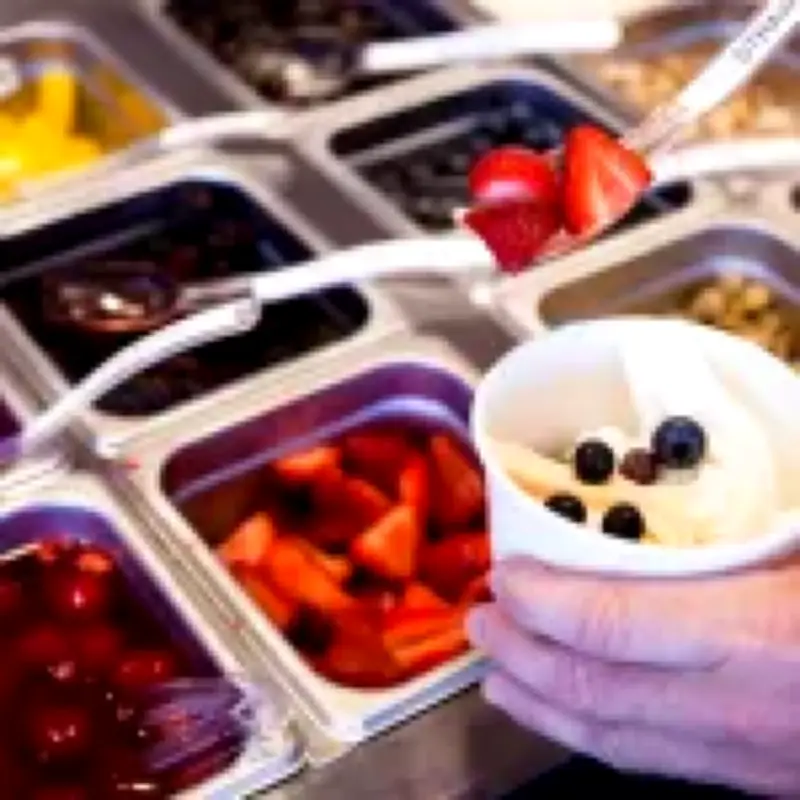
In June, Los Angeles-born Go Greek set up shop in Mayfair, serving tubs of frozen yoghurt costing as much as £12. Huge queues stretched down the street on launch day, as people were desperate to try the dessert loved by celebrities including Jennifer Aniston, Gigi Hadid, and Kim Kardashian. Following this, MYKA, a Greek fro-yo brand founded in Madrid, arrived in London in mid-July, specialising in artisanal fro-yo made with milk and kefir. Yo-Chi, a cult Australian favourite, announced it would land in Notting Hill on 20 August, opening a two-floor space seating 120 guests, its biggest branch ever. The venue features self-serve fro-yo machines with nine flavours, including matcha and salted butterscotch, plus 30 topping options.
Reviews of the new fro-yo spots
Metro's reporters Patrycja Zara and Lola Alao sampled three of the leading fro-yo joints. At MYKA, described as the most premium offering, the toppings are all house-made by owner Natalia Morales, who trained in French pastry. The reporter recommended choosing sweeter toppings to balance the natural Greek yogurt base. At Go Greek, customers can layer base yoghurt flavours before choosing from an impressive lineup of toppings, with standouts including yoghurt malt balls and dates. It is self-serve, which the reporter noted is fun until reaching the till. At Yo-Chi, the yoghurt is made from Australian cow's milk, resulting in a tangy rather than overly sweet taste. The reporter tried three scoops: matcha with strawberries, chocolate soil, and pistachio kataifi spread, costing £7.20. Co-owner and chief brand officer Oliver Allis said there is Australian hospitality at the heart of Yo-Chi, with genuine welcomes and staff asking 'how are you going?' He added that the venue is made for all ages, open until 11 or 12 o'clock at night.
Why frozen yoghurt is cool again
According to Vhari Russell, founder of The Food Marketing Experts, the comeback is driven by nostalgia. Millennials, who have fond memories of eating fro-yo the first time around, are fanning the flames of the fad. Russell noted a strong 00s/2010s throwback flavour to the fro-yo resurgence, with chains like Pinkberry and Yog defining a whole era of self-serve, pay-by-weight dessert bars. The US and Australian brands entering the UK now are leaning into nostalgia marketing deliberately, targeting consumers in their late 20s and 30s who remember the first wave fondly, and a younger cohort discovering it fresh through TikTok. Russell observed that the tone has shifted from a 'health halo' positioning to creating a food experience, with bright colours, customisable topping bars, and dopamine-menu appeal that photographs beautifully and does brilliantly on social media. 'It's dessert as entertainment rather than a lighter alternative to ice cream, which feels like a much more honest pitch anyway,' Russell added.