In a heartwarming counterpoint to the region's famed molecular gastronomy, Catalonia is turning to its grandmothers to safeguard its culinary soul. A new government initiative, Gastrosàvies, is providing a platform for more than 100 women to share videos of traditional recipes, aiming to preserve a heritage at risk of being forgotten.
From Avant-Garde to Ancestral
While Catalan chefs like those from the legendary El Bulli gained global acclaim for techniques like spherification, they often cite their grandmothers' tables as inspiration. Now, those very matriarchs are stepping into the spotlight. The project has already collected over 300 recipes from across Catalonia, with videos for 12 dishes available online and more to follow.
These are not dishes requiring liquid nitrogen. They are rustic, seasonal creations born from necessity: rice with cabbage and peas, thyme soup, duck with turnips, and pork chops with chestnuts. Such food remains in rural bars but is increasingly scarce in Barcelona, displaced by international offerings like pizza, kebabs, and sushi.

Meet Maria Antònia Udina: A Guardian of Flavour
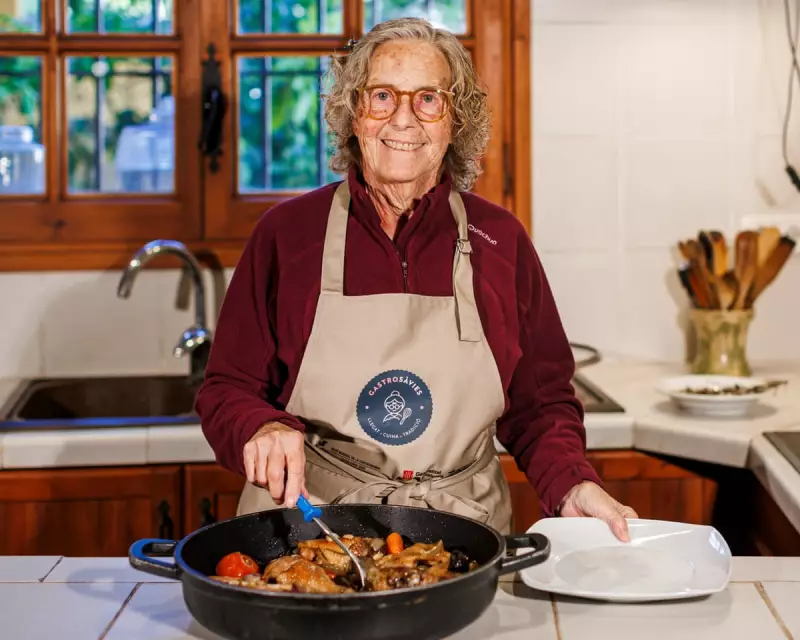
One of the project's stars is 76-year-old Maria Antònia Udina. In her farmhouse kitchen in Santa Margarida i els Monjos, in the Penedès region, she demonstrates a characteristic dish: Penedès cockerel with dried fruit, nuts, and a dash of cognac.
"Catalonia is small but we have mountains and sea and we like mixing the two," Udina explains, highlighting the cuisine's defining trait of combining land and sea, such as in meatballs with cuttlefish. She champions local produce, noting the superior flavour of the Penedès cockerel, reared longer and fed grape seeds from local vineyards.
Udina outlines three pillars of Catalan cooking: the sofregit (a sautéed base of tomato, onion, and oil), the use of local herbs like rosemary and thyme, and the picada (a nut and bread thickener essential to stews).
A Skeptical Eye on Fine Dining Homage
Although she admires avant-garde chefs and has dined at temples of gastronomy like El Celler de Can Roca, Udina is sceptical of claims their work is a direct homage to their grandmothers' cooking. She recalls a meal at three-Michelin-starred Can Fabes featuring six or seven wild mushroom dishes, including an ice cream.
"That's nothing like what their mothers would have cooked," she observes. Udina senses a shift back towards simplicity and hopes Gastrosàvies will inspire younger generations to choose traditional Catalan food over fast alternatives. "Our children and grandchildren [should] cook traditional food instead of pizza, hamburgers and Pot Noodles," she says.
The Gastrosàvies project stands as a vital digital archive, ensuring that the wisdom and flavours nurtured in Catalan farm kitchens continue to season the future.