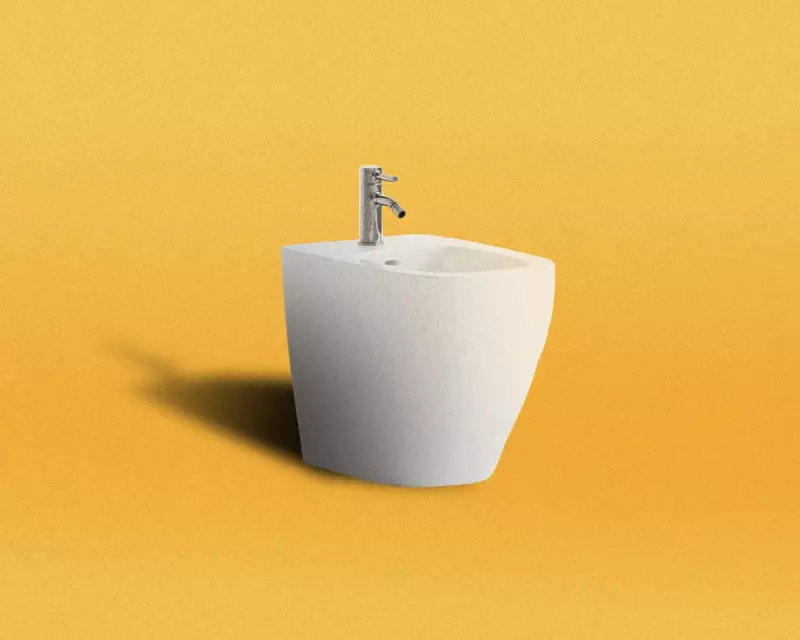
The Bidet Revolution: Why Global Bathroom Habits Are Finally Changing
In a world where personal hygiene standards vary dramatically across cultures, one simple bathroom fixture is sparking a quiet revolution. Whether you call it a bidet, shattaf, or bum gun, this water-based cleaning device is gaining attention far beyond its traditional strongholds in the Middle East, Asia, and parts of Europe.
A Cultural Divide in Bathroom Practices
The experience of Egyptian-American writer Mona Eltahawy highlights this global divide perfectly. Growing up in Egypt, she was accustomed to bathrooms equipped with either bidets (standalone basins next to toilets) or shattafs (fixtures that stream water directly). "In Egypt, bidet or shattaf, everyone washes their ass," she notes, expressing bewilderment that this isn't universal practice.
Her family's move to London in 1975 brought the first major culture shock. "Perhaps the biggest culture shock for us was that toilets had neither a bidet nor a shattaf," Eltahawy recalls. "We were horrified that anyone would use the toilet and not wash afterwards." The family adapted by using a watering can kept beside the toilet, while wettened toilet paper became a poor substitute elsewhere.
New York's Unexpected Bidet Champion
The conversation around bathroom hygiene is gaining unexpected momentum in the United States, thanks to some high-profile advocates. New York City Mayor Zohran Mamdani and his wife Rama Duwaji recently announced plans to install bidets in their official residence at Gracie Mansion. At 34, Mamdani represents multiple firsts for New York leadership, and his embrace of this practice is drawing attention to cultural differences in personal hygiene.
"Zohran and Rama are going to make bidets cool! Finally!" Eltahawy has told everyone she knows during her current visit to California, where her sister's home features shattafs on every toilet purchased from online stores.
Historical Roots and Global Variations
The terminology itself reveals interesting cultural histories. The word "bidet" comes from a French term for a small horse, referencing the straddling position required. Meanwhile, "shattaf" derives from the Arabic word meaning "to clean." Variations of both systems can be found across Europe, the Middle East, East Asia, and parts of South America.
Eltahawy particularly favors what she recently learned is called a "bum gun" in English – a small showerhead attached to the wall next to the toilet. "It's my favourite kind of shattaf, because you can control the water pressure," she explains.
Missed Opportunities and Future Potential
During the COVID-19 pandemic toilet paper shortages, Eltahawy had hoped for a breakthrough moment. "This is it! People will finally understand how absolutely necessary a bidet is," she thought. While sales did increase temporarily, the United States largely remains what she calls "stubbornly shattaf-free."
The resistance to adopting these practices sometimes takes political forms. Eltahawy imagines critics like White House press secretary Karoline Leavitt potentially accusing Mamdani of imposing "Islamist" culture on American bathroom habits, or others dismissing the practice with derogatory terms. "I won't care – I love that they're making clean asses cool," she responds.
A Personal Plea for Better Hygiene
Drawing from her experience watching the play Threesome in 2015 – where an Egyptian-American couple yell at their guest to "go back and wash your ass!" – Eltahawy makes her position clear. "Not inviting you to a threesome, but I am demanding, pleading, urging you: wash your ass!" she declares. "Install that bidet, bum gun or shattaf. You'll thank me later."
Her message transcends mere preference, touching on deeper questions about cultural norms, personal comfort, and what constitutes basic hygiene. As global connections increase and cultural practices cross borders more freely, the humble bidet may finally get its moment in the spotlight beyond its traditional regions.