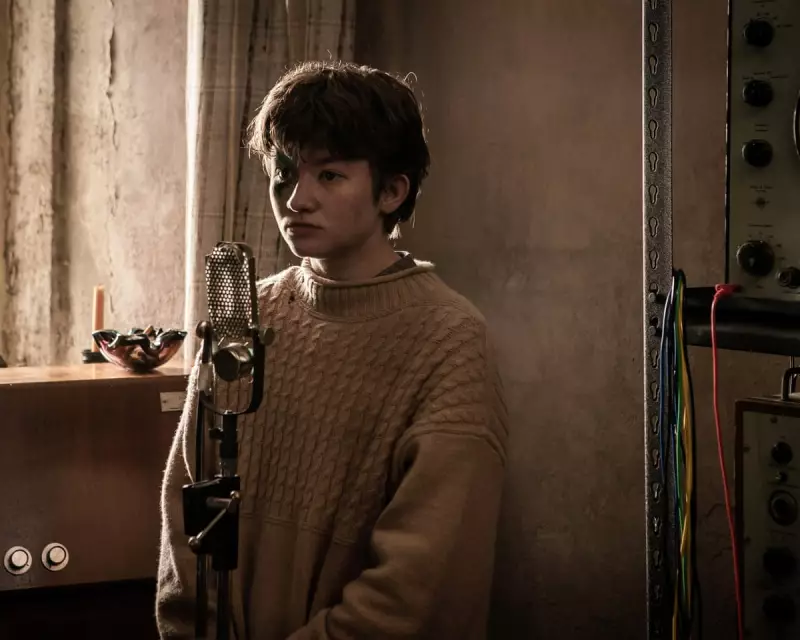
One to watch out for in the cinematic landscape is Jade Croot in the atmospheric new film Rabbit Trap. This feature debut from director Bryn Chainey immerses audiences in a traditional folk-horror tale set against the remote Welsh countryside of the 1970s, weaving an eerie and intriguing narrative that captivates with its fervent atmosphere and strong performances, even if it ultimately loses some narrative direction.
A Deep Dive into Folk-Horror Territory
Like recent films such as Daniel Kokotajlo's Starve Acre or Mark Jenkin's Enys Men, Rabbit Trap envelops viewers in a rich ambient sound design and commits to an atavistic authenticity in its 1970s stylings. From the woollen clothing to the gloomy settings and analogue recording equipment, every detail enhances the period feel, creating a palpable sense of immersion that draws you into its unsettling world.
Plot and Characters
The story follows an English couple, Darcy and Daphne, played by Dev Patel and Rosy McEwen, who are deeply involved in the music scene. Daphne is a folk singer with a past album titled Mono Moon, and they venture to the remote Welsh countryside to work on her new record, reminiscent of Led Zeppelin's own experiences recording in primitive Welsh cottages during the early 1970s—a scenario ripe for folk-horror exploration.

They rent a cottage with windows that seem to invite prying eyes, as famously noted in Withnail and I. Darcy, serving as Daphne's producer and sound engineer, tapes natural sounds like birdsong and rainwater for the album but begins to detect a strange thrumming from a mysterious, shroomy netherworld. Their isolation is soon disrupted by the arrival of a smudgy-faced, jumper-wearing feral Welsh child, portrayed with startling brilliance by Jade Croot.
The Eerie Presence of Jade Croot
Croot's character, whose age is ambiguously between nine and 54, befriends yet menaces the couple, introducing uneasy Darcy to the Tylwyth Teg fairy folk and showing him a rabbit trap where captured bunnies are transformed into fetish sacrifices. As the child integrates into their lives, Darcy and Daphne find themselves obscurely transformed, with the experience hinting at their own unspoken feelings of loss and adding layers of psychological depth to the horror.
A particularly striking scene involves the child appearing to burn the gorse around their cottage, leaving viewers to ponder whether this alludes to Welsh nationalist protest, adding a subtle political undertone to the film's eerie magic.
Strengths and Weaknesses
Rabbit Trap is impressively controlled and composed, with Chainey demonstrating a keen eye for mood and atmosphere. However, the film's clear storytelling contours eventually soften into an indistinct fuzz of vibe, leading to a loss of focus that may leave some audiences wanting more narrative cohesion. Despite this, the movie shines in its ability to deliver a scary and memorable performance from Croot, whose presence lingers long after the credits roll.
In summary, Rabbit Trap offers a compelling entry into the folk-horror genre, bolstered by strong acting and authentic period details, even if it meanders in its final act. The film is set to captivate UK and Irish cinema-goers upon its release from 30 January.