Historic Asian Elephant Birth at Washington DC Zoo Marks Conservation Milestone
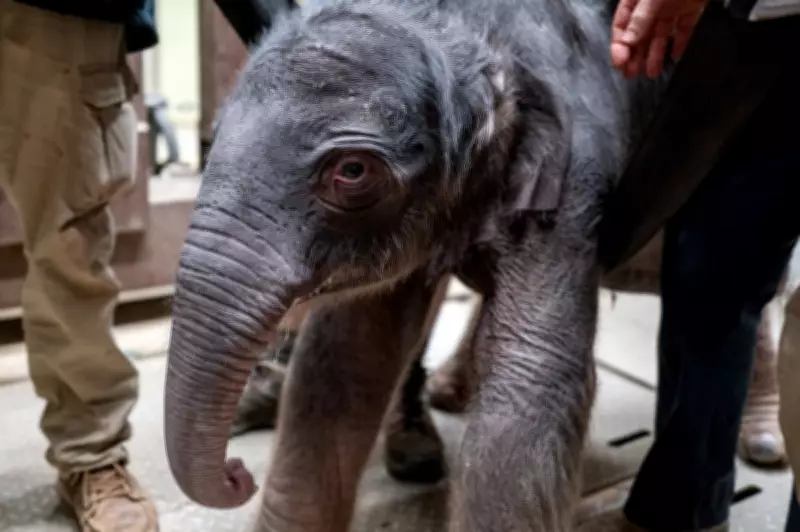
A rare and momentous event has unfolded at the National Zoo in Washington DC, with the successful birth of an Asian elephant calf. This significant occurrence represents a major achievement for global conservation initiatives and highlights the ongoing efforts to protect this endangered species in managed care environments.
Conservation Success in the Heart of the Capital
The arrival of the newborn elephant calf at the Washington DC zoo is being celebrated as a critical step forward in safeguarding the future of Asian elephants. These majestic creatures face severe threats in their natural habitats across Asia, including habitat loss, human-wildlife conflict, and poaching. The successful breeding programme at the National Zoo contributes directly to the genetic diversity and long-term viability of captive populations, which play a vital role in species preservation.
Details of the New Arrival and Maternal Care
The calf, whose gender and exact weight are yet to be officially confirmed, is reported to be healthy and under the attentive care of its mother. Zoo officials have emphasised that the mother elephant is demonstrating strong maternal instincts, which is crucial for the calf's early development and survival. The birth follows a lengthy gestation period typical for elephants, lasting approximately 22 months, underscoring the complexity and importance of such breeding successes.
This event not only brings joy to zoo visitors but also serves as an educational opportunity to raise public awareness about the plight of Asian elephants. The National Zoo plans to monitor the calf closely in the coming weeks, ensuring it meets key developmental milestones while integrating into the existing elephant social structure.
Broader Implications for Elephant Conservation Programmes
The birth in Washington DC aligns with broader international efforts to bolster Asian elephant populations through coordinated breeding programmes. Zoos and wildlife sanctuaries worldwide collaborate under species survival plans to maintain genetically healthy and demographically stable groups. This calf's arrival adds valuable genetic material to the North American population, enhancing resilience against future challenges.
Conservationists highlight that such births are essential for:
- Providing insurance populations against extinction in the wild.
- Supporting research on elephant health, behaviour, and reproduction.
- Inspiring public support and funding for in-situ conservation projects in Asia.
As the calf grows, it will become an ambassador for its species, helping to educate millions of visitors about the urgent need to protect Asian elephants and their ecosystems. The Washington DC zoo's achievement reinforces the critical role that accredited zoological institutions play in global biodiversity conservation, blending animal care with impactful public engagement.