Sundance Documentary Delves Into AI's Existential Questions Through Personal Journey
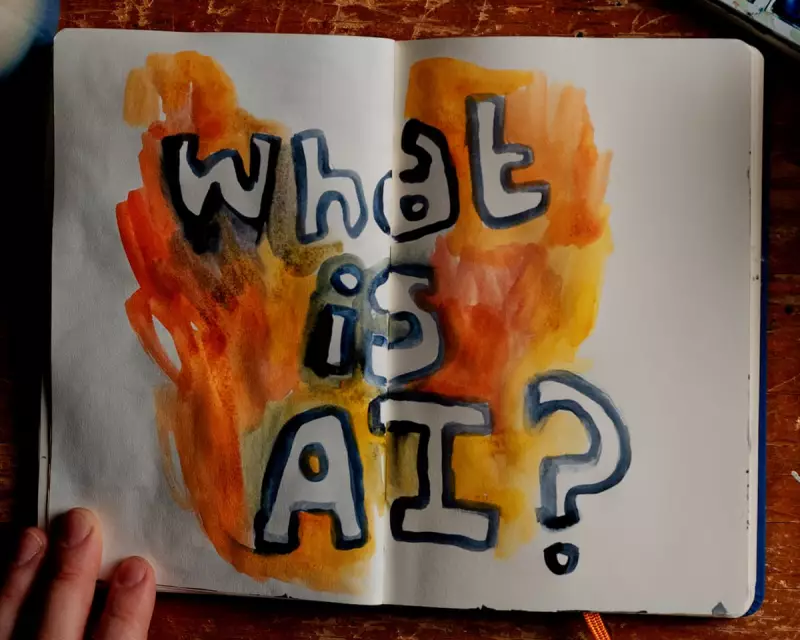
A compelling new documentary premiering at the Sundance Film Festival takes audiences on a profound exploration of artificial intelligence's promises and perils through the personal anxiety of its creator. The AI Doc: Or How I Became an Apocaloptimist, co-directed by Oscar-winning filmmaker Daniel Roher and Charlie Tyrell, emerges as a timely examination of humanity's relationship with rapidly advancing technology.
Personal Anxiety Meets Global Concern
The documentary originates from Roher's personal journey into artificial intelligence awareness, which began when he experimented with OpenAI's public tools like ChatGPT. The Canadian filmmaker, who won an Academy Award in 2023 for his documentary Navalny, found himself simultaneously thrilled and unnerved by AI's capabilities to generate paragraphs and illustrations within seconds. His anxiety intensified significantly when he and his wife, fellow filmmaker Caroline Lindy, discovered they were expecting their first child.
"It felt like the whole world was rushing into something without thinking," Roher reflects in the film, capturing the collision between parental excitement and technological dread. This personal concern forms the documentary's central question: is it safe to bring a child into a world increasingly shaped by artificial intelligence?

Expert Perspectives on AI's Future
Roher and producer Daniel Kwan, one half of the Oscar-winning duo behind Everything Everywhere All At Once, convened an impressive array of experts to address this pressing question. The documentary features extensive interviews with leading figures across the AI spectrum, presenting a comprehensive view of the technology's potential trajectories.
On one side, prominent voices express serious concerns about artificial general intelligence (AGI), a theoretical form of AI that could surpass human capabilities. Figures including Tristan Harris, co-founder of the Center for Humane Technology, and AI alignment pioneer Eli Yudkowsky warn about humanity potentially losing control of super-intelligent AI models. Their warnings are stark, with Harris noting that "I know people who work on AI risk who don't expect their child to make it to high school" - a statement that reportedly drew gasps from preview audiences.
The Accelerationist Perspective
Counterbalancing these concerns, the documentary presents optimistic voices who view AI as humanity's potential salvation. Figures like Peter Diamandis, founder of the XPRIZE Foundation, and Guillaume Verdon, a leader in Silicon Valley's "effective accelerationism" movement, argue that AI could solve some of humanity's most pressing challenges:
- Medical breakthroughs including cancer treatments
- Addressing global food and water shortages
- Accelerating renewable energy development
- Combating climate change emergencies
These proponents suggest that without artificial intelligence, countless future lives could be lost to drought, famine, disease, and natural disasters.
Industry Leaders and Practical Concerns
The documentary also examines the tangible impacts of AI development, connecting technological advancement to real-world consequences. Journalists and observers highlight concerns about data centers consuming vast amounts of water in the American West, leading to drained reservoirs and soaring electricity bills for local residents.
Roher's investigation leads him to the five most influential figures currently shaping the AI landscape, all men leading major technology companies. While Sam Altman of OpenAI, Dario Amodei of Anthropic, and Demis Hassabis of DeepMind participated in interviews, Mark Zuckerberg declined involvement, and Elon Musk became unavailable despite initial agreement.
Altman, who was expecting his first child during filming, offers a particularly revealing perspective. While acknowledging that "it is impossible" to guarantee everything will be okay with AI development, he suggests that OpenAI's market position allows for greater safety testing investment. He also notes that both his and Roher's children will likely "never be smarter than AI", a reality he finds somewhat unsettling.

Finding a Middle Path Forward
The documentary ultimately lands on what its creators term "apocaloptimism" - a middle ground between doomerism and unbridled optimism. The film suggests several crucial steps for navigating AI's future responsibly:
- Significant international coordination similar to atomic weapons regulation frameworks
- Increased corporate transparency from AI companies
- Establishment of independent regulatory bodies
- Legal liability for AI products and services
- Mandatory disclosure of generative AI use in media
- Adaptable regulatory frameworks for rapidly evolving technology
Despite differing opinions on implementation, the documentary's subjects agree on one fundamental reality: there is no returning to a pre-AI world. As Anthropic CEO Dario Amodei succinctly puts it, "This train isn't going to stop." The film serves as both a warning and a call to action, encouraging audiences to engage thoughtfully with the technology that will increasingly shape our collective future.
The AI Doc: Or How I Became an Apocaloptimist continues its screening at the Sundance Film Festival ahead of its wider release scheduled for March 27th.