Academy Wars: The Unprecedented Toxicity of This Oscar Season
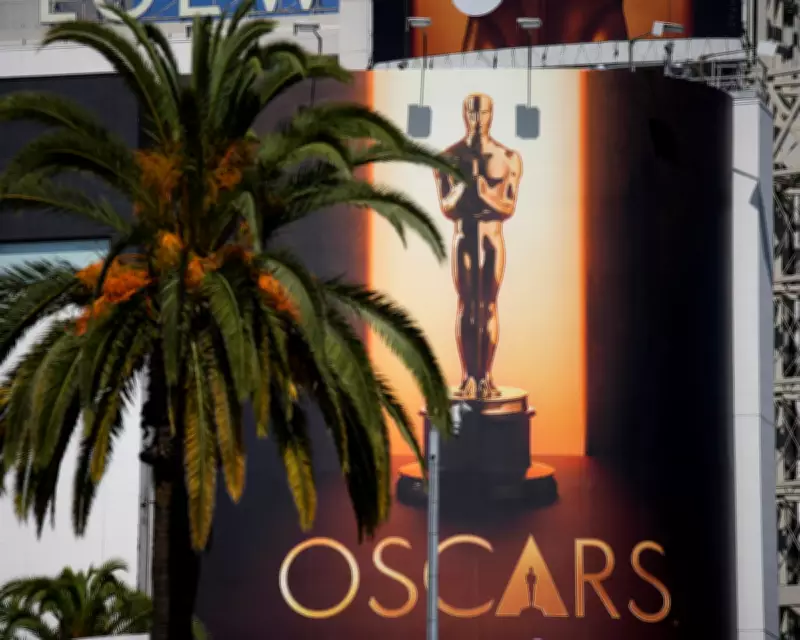
As the 98th Academy Awards approach, the discourse surrounding this year's ceremony has descended into a bizarre and exhausting cycle of controversy. What began as typical awards season buzz has mutated into a toxic social media frenzy, with minor comments from stars like Timothée Chalamet and Jessie Buckley sparking disproportionate outrage.
The Chalamet Ballet Controversy That Wouldn't Die
Voting for the Oscars concluded on March 5th, but that didn't stop the internet from reigniting a weeks-old interview where Timothée Chalamet casually suggested ballet and opera might be endangered art forms. The clip went viral precisely as voting closed, prompting a flood of rebuttals from alleged opera aficionados. This was swiftly followed by counter-arguments pointing out that most critics probably hadn't attended ballet or opera performances recently themselves.
The timing was peculiar: an interview conducted weeks earlier suddenly became the focal point of Oscar discourse at the season's most critical moment. Chalamet, campaigning for best actor in "Marty Supreme," found himself at the center of a storm that felt disconnected from his actual film work.

Jessie Buckley's Cat Comments Resurface
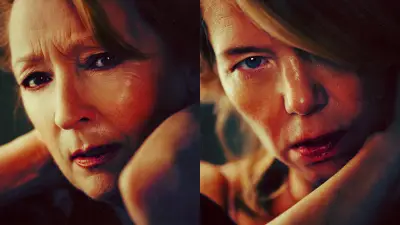
Around the same time, another clip from earlier in the season resurfaced featuring best actress contender Jessie Buckley. Nominated for her role in "Hamnet," Buckley was seen discussing her supposed dislike of cats—the animals, not the musical. She later clarified on "The Tonight Show" that she was actually a "cat lover," but the damage was done.
More importantly, why does any of this matter? These trivial controversies have dominated conversations that should focus on cinematic achievement. Social media has revolutionized the art of forming quick opinions on short video clips, but this has led to longer-form articles dissecting these tossed-off remarks, allowing absurdities to bleed into the real world.
The Exhausting Nature of Modern Oscar Discourse
This probably isn't the most rancorous Oscar campaign season on record—there are fewer accusations that liking a particular movie indicates deep-seated racism, and Harvey Weinstein's imprisonment has limited certain types of awards-related sleaze. However, it may be the most exhausting Oscar cycle in recent memory.
What's particularly strange is that this toxicity emerges in a year where the two most-honored films—"Sinners" and "One Battle After Another"—are critically beloved, popular, and quite accessible. Part of the problem is timing: the post-pandemic era has seen the ceremony slide further into March, creating an extended season that combines with social media's tendency to serve as an outlet for real-world stress.
High-Quality Nominees and Manufactured Villains
The generally high quality of this year's nominees has affected discourse in unexpected ways. Most Oscar seasons find some manner of villain emerging once nominations are announced. Last year, Karla Sofía Gascón's social media posts created perfect synergy with critics' bafflement over "Emilia Pérez." The year before, Bradley Cooper caught flak for wanting an Oscar too badly.
Now, faced with nominees that lack an embarrassment as glaring as "Green Book," movie people seem to be spoiling for a fight anyway. Some of this comes from the online fandom of "Sinners"—these days, cultural phenomena attract hardcore fans who perceive anything less than total domination as insufficient deference. Liking another movie more than "Sinners" is framed as oppressive, creating what might be called the Swift effect.
Critics Creating Their Own Controversies
It's not just "Sinners" stans contributing to the toxicity. Some critics have been snarking about movies like "Hamnet," "Frankenstein," and "Train Dreams," attempting to create the sense that these are colossal mistakes on par with the worst Oscar movies of years past. The lining up of these particular movies for criticism feels like an arch code that's difficult to decipher.
Are people really mad about the raw volume of Buckley's simulated grief? Or Guillermo del Toro making the lavish "Frankenstein" adaptation of his dreams? The question remains: is not being mad about the Oscars even an option this season?

The Bigger Picture: What This Discourse Misses
In another week, the fury will likely subside. It's hard to imagine lasting anger over the probable victory of either "One Battle After Another" or "Sinners." Either would represent a top-tier best picture selection. What's unusual is that both come from the same big studio—Warner Bros, which plans to merge with Paramount.
The irony is stark: that studio's Oscar nomination count for this year is zero. The weirdest thing about this endless Oscar discourse is how it fails to acknowledge how much worse the awards might look in a few years. In that sense, Chalamet isn't wrong. In a few years, an Oscar-winning, critically beloved box office hit from a major studio might look more like an acclaimed ballet performance than a full-scale cultural phenomenon.
The 2025-2026 Oscar season has revealed how social media amplifies minor controversies into major distractions, creating an exhausting cycle that often misses the bigger picture of cinematic achievement and industry transformation.