The Sundance Film Festival has bid farewell to its long-time home in Park City, Utah, marking the end of an era with a final edition that encapsulated both the challenges and triumphs of American independent cinema. With founder Robert Redford's passing last year and a planned move to Boulder, Colorado, the festival's future is poised for a significant refresh, yet this year's event left attendees pondering what lies ahead for this iconic cultural institution.
A Festival in Transition: Reflecting on Sundance's Utah Legacy
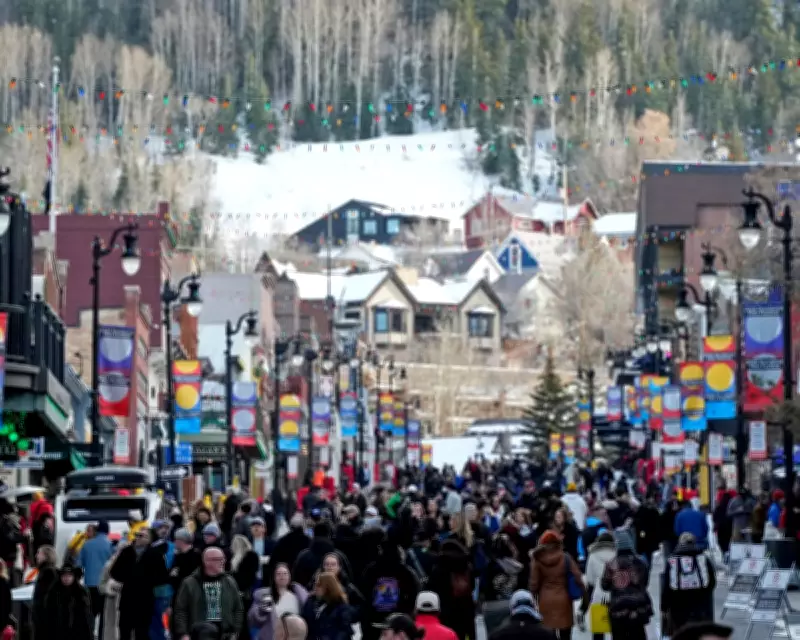
Against the backdrop of alarmingly light snowfall, the 2026 Sundance Film Festival unfolded as a bittersweet farewell to Utah, a state that has been inextricably linked with the event's identity for decades. The festival's essence has long been tied to Redford's vision and the unique mountain setting of Park City, fostering a certain type of movie and a specific definition of independent filmmaking. However, the traditional Sundance dream trajectory—where a film premieres to rapturous applause, sparks a heated bidding war, achieves sleeper success in theatres, and garners Oscar nominations—has become increasingly elusive in today's harsh cinematic landscape.
While textbook examples like Little Miss Sunshine and The Big Sick remind us of what's possible, the path is now fraught with more roadblocks. A generation of filmmakers, inspired by these classics, often struggles to replicate their magic, leading to forced attempts that can result in misses rather than hits. Films such as Patti Cake$ and Late Night have barely made a ripple outside the festival bubble, highlighting the heightened risks that cautious executives now face with each investment.

Standout Films and Sales: Highlights from a Mixed Bag
This year's lineup offered a diverse array of genres, from horror breakouts to must-see documentaries, yet the films that resonated most were those that felt authentic rather than calculated. Among the narrative standouts, Josephine emerged as a devastating and original drama, exploring the fallout from an eight-year-old girl witnessing a sexual assault. Directed by Beth de Araujo, the film masterfully blends elements of horror with deep emotional impact, earning both the grand jury prize and audience award—a rare feat that often signals a bright future, as seen with past winners like Minari and Whiplash.
Despite Channing Tatum's compelling performance, which could position him as a best supporting actor frontrunner, Josephine remains unsold, likely due to its difficult subject matter and unflinching portrayal. This reflects a broader trend of slower sales at Sundance, where buyers have grown more wary outside of deep-pocketed players like Netflix. Last year, high-profile films starring Jennifer Lopez and Benedict Cumberbatch struggled to find distribution, and this year has been similarly quiet, underscoring the festival's role as a market-led event where most films enter without deals.
Notable Sales and Disappointments: A Tale of Two Extremes
On a brighter note, Olivia Wilde's The Invite generated significant excitement with its star-studded cast, including Seth Rogen and Penélope Cruz, and a premiere that Wilde described as "the best night of my life." The sour comedy led to an old-fashioned auction, culminating in a reported $12 million-plus sale to A24, thanks to Wilde's insistence on a theatrical release. This success story contrasts with smaller-scale triumphs like the Australian queer horror Leviticus, which sold to Neon for around $5 million and could become a late summer breakout, maintaining Sundance's reputation for horror credentials.
However, not all films fared well. Disappointments such as Cathy Yan's The Gallerist, a grating art world satire that wasted talents like Natalie Portman and Jenna Ortega, highlighted the risks of overdirected attempts to mimic past Sundance hits. With no buzz for a sale despite its Oscar-winning cast, it served as a reminder of the festival's hit-or-miss nature.

Looking Ahead: Sundance's Move to Colorado and Existential Questions
As whispers about sales were limited mostly to The Invite, conversations on the ground increasingly turned to Sundance's impending relocation to Boulder, Colorado. The move promises better politics, with concerns over anti-LGBTQ+ legislation in Utah cited as a factor, and more affordable lodging, potentially allowing a more diverse range of critics to attend. However, challenges loom, as Colorado already hosts the Denver and Telluride film festivals, and it will take time to build a new community of attendees similar to Utah's affluent pass-holders.
The bigger questions remain existential: What is Sundance now, and what do we need from independent cinema in an era where it's easier to make films but harder to sell them? A change of location won't alter the films being produced, and while quality may have fluctuated, Sundance remains a vital American institution, especially as industry mergers threaten to marginalise underdogs. Next year's festival in Colorado carries high expectations, with hopes that a refresh will shift focus from nostalgic ideals to innovative new voices, ensuring Sundance's continued relevance in the evolving world of film.