Scream 7 Review: A Nostalgic Yet Messy Return to Ghostface
Whether you adore or despise the Scream franchise, it's impossible not to respect its enduring legacy. Now celebrating thirty years, the series has consistently extended its convoluted narrative while commenting on horror tropes and appealing to savvy new audiences. Even without comparing it to lazy slasher sequels that follow predictable patterns, Scream has maintained a remarkable consistency. While nothing has surpassed the groundbreaking 1996 original, there hasn't been an objectively terrible Scream film, with even weaker entries displaying genuine effort and energy.
A Troubled Production Finds Its Footing
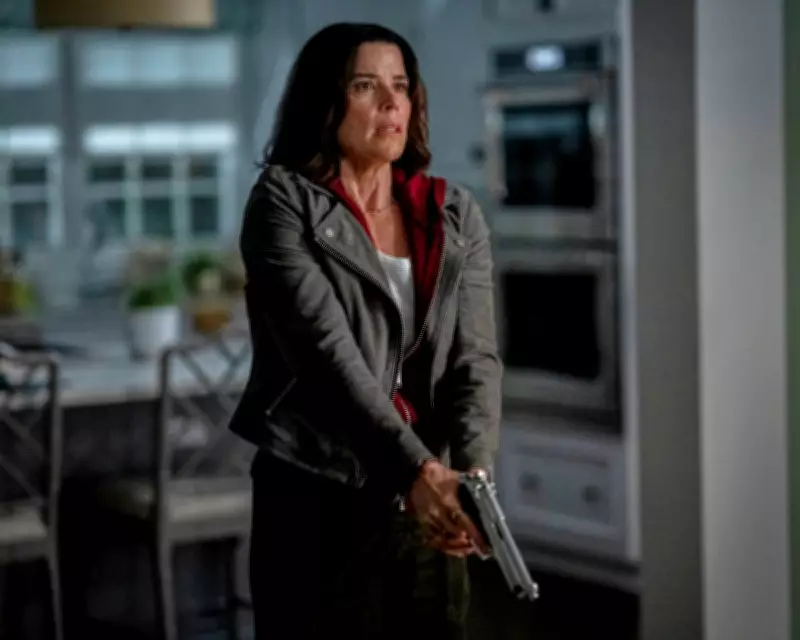
The franchise continues with Scream 7, a scrappy yet passably entertaining chapter that arrives with visible wounds. Originally planned to continue the story of the Carpenter sisters from the 2022 relaunch, production faced significant upheaval after star Melissa Barrera was controversially fired for speaking out about Israel-Gaza. This forced a complete reset, ultimately bringing original scream queen Neve Campbell back to center stage after she rightfully declined the sixth film over what she described as a lowball offer. Reports suggest a substantial seven-million-dollar incentive secured her return, accompanied by numerous amusing references addressing her absence from previous events.
Creative control returns to Kevin Williamson, who wrote the original, second, and fourth films—arguably the franchise's strongest entries with significant contributions from the late Wes Craven. Williamson co-writes and directs here, marking his first directorial effort since 1999's Teaching Mrs Tingle. He's joined by returning star Courtney Cox and teased fan-service cameos from characters previously assumed dead. For a series that prides itself on goofy Scooby Doo-style revelations, the primary suspense lies in anticipating just how absurd the explanations will become.

Plot Mechanics and Character Dynamics
The film opens with an effectively tense cold sequence featuring a true-crime tourist couple making the fatal mistake of renting the infamous Stu Macher house from the original film. We then reconnect with Sidney Prescott as she attempts to build a killer-free life. Her teenage daughter Tatum, played by Isabel May, grows curious about her mother's traumatic past. Despite Sidney's explanations about the events being documented online and in the fictional Stab movies, a palpable distance exists between what's known and what's discussed. This fragile peace shatters quickly as another gory killing spree begins, potentially orchestrated by someone presumed deceased. At this point, if Sidney moved into your neighborhood, you might understandably consider chasing her out with pitchforks.
Despite being the father of self-referential horror, Williamson surprisingly avoids larger meta-commentary in this installment. The sixth film also minimized this aspect, focusing instead on a straightforward revenge narrative while playfully skewering online fanboy culture. Marketing campaigns promised an "everything has led to this" revelation, positioning this as the final Scream despite obvious franchise continuation plans. However, the ending feels clumsily improvised rather than meticulously planned, with a deranged villain explanation that touches on conceptually interesting themes but lacks Williamson's trademark slick execution.
Generational Shifts and Missed Opportunities
Williamson, who once defined teen dialogue for an entire generation with his witty, verbose style, struggles to capture the authentic sound and vibe of contemporary youth. The new teen characters register as disappointingly bland, with the film only truly energizing when Courtney Cox's fame-hungry journalist returns alongside the much-stabbed surviving twins played by Mason Gooding and Jasmin Savoy-Brown. Their entrance stands as one of the film's few masterstrokes, perfectly capturing the light-footed tone and zippy energy essential to Scream's identity.

Williamson and returning writer Guy Busick frequently struggle to balance new elements with nostalgic callbacks, juggling too many narrative plates and occasionally forgetting which ones remain relevant. Fortunately, Campbell and Cox receive substantial material, with their trauma-bonded friendship developing along an interesting, if underwritten, arc. The film delivers several inventively nasty kills despite Williamson's claims about reduced violence, while original composer Marco Beltrami's return provides genuine goosebump moments through his rousing, largely recycled score.
Final Verdict: Signs of Life Amidst Franchise Fatigue
The fundamental challenge for Scream sequels remains the elevated internal bar the franchise has set for itself. While the standard for seventh installments of any series might be low elsewhere, Scream demands more. Scream 7 shows just enough vitality to suggest continued life, with tracking indicating a massive opening weekend that all but guarantees Scream 8. Yet Williamson often feels like he's treading water when he should be drawing blood, resulting in a sequel that settles for solid entertainment rather than seminal achievement.
Scream 7 arrives in cinemas on February 27th, offering nostalgic thrills for dedicated fans while highlighting the difficulties of maintaining freshness in a long-running horror franchise.