Romeo + Juliet Remains Cinematic Masterpiece Three Decades Later
Thirty years after Leonardo DiCaprio and Claire Danes first ignited screens in Baz Luhrmann's revolutionary adaptation, Romeo + Juliet continues to stand as the crowning achievement in Shakespearean cinema. This film represents the pinnacle of Luhrmann's celebrated career, which includes acclaimed works like The Great Gatsby, Moulin Rouge, and Elvis, while perfectly encapsulating the distinctive aesthetic and cultural spirit of the 1990s.
A Cultural Time Capsule of 1990s Cinema
The film exists within a rich cinematic landscape that celebrated drag culture through movies like Priscilla, Queen of the Desert and The Birdcage. This era also witnessed a renaissance of subversive Shakespearean interpretations, with popular successes including Shakespeare in Love and the coming-of-age comedy 10 Things I Hate About You. Yet among these diverse contemporaries, Romeo + Juliet distinguishes itself through its unparalleled ability to capture the intense emotional landscape of teenage experience—that potent mixture of tortured love and ever-present angst that defines adolescence.
Many viewers first encountered this cinematic masterpiece during their school years while studying the original text. What began as classroom entertainment quickly transformed into genuine artistic appreciation as students found themselves captivated by the film's stunning soundtrack, bold fashion choices, and innovative visual storytelling. This represented no small achievement for groups of teenagers typically resistant to yet another analysis of Shakespearean monologues.

Enduring Emotional Impact Across Generations
The film's lasting influence becomes particularly evident when revisiting it decades later. School friends reconnect through shared memories, and group chats overflow with nostalgic praise for this cultural touchstone. Remarkably, the movie functions as a genuine time portal—with the simple act of pressing play transporting viewers back to their teenage years, recreating that initial viewing experience with friends.
The film's iconic moments continue to resonate: the smouldering sunset framing a young Leonardo DiCaprio that launched countless crushes; the unforgettable fishtank encounter between the star-crossed lovers accompanied by Des'ree's haunting ballad I'm Kissing You; Harold Perrineau's explosive and heartbreaking performance as the doomed Mercutio. The rich Catholic imagery, vibrant drag sequences, and razor-sharp dialogue make this sixteenth-century text feel astonishingly contemporary and immediate.
Innovative Storytelling in Modern Verona
Set in a contemporary interpretation of "fair Verona" torn apart by the warring Montague and Capulet families, this two-hour cinematic odyssey maintains Shakespeare's original language while presenting a sultry, gritty narrative. Luhrmann takes bold creative risks that pay extraordinary dividends throughout the film.
The opening sequence establishes the film's distinctive tone immediately, with a news anchor delivering the prologue against the backdrop of violent civil unrest. We're plunged directly into the action as Benvolio (Dash Mihok) and his crew confront Tybalt and his associates at a gas station—minus the sulking Romeo, who remains preoccupied with Rosaline. Dash Mihok's inspired delivery of the "bite my thumb" exchange and Tybalt's unruly cowboy-mafia aesthetic establish the film's high-strung, feisty atmosphere from the outset.
For many viewers, this marked the first time they truly understood the play's distinctive humor, previously obscured by the perceived impenetrability of Shakespearean language. By the conclusion of this opening sequence, viewers can practically taste the salty sweat on characters' lips and feel the palpable tension threatening to tear Verona apart at its seams.
Unforgettable Characters and Scenes
The eponymous lovers first encounter each other at a lavish fancy dress party hosted by the Capulet patriarch, from which their sworn enemies, the Montagues, are explicitly banned. Undeterred and under the influence of substances, our intrepid trio—Romeo, Benvolio, and Mercutio—infiltrate the festivities. Mercutio delivers a legendary lip-sync performance to Candi Staton's Young Hearts Run Free, setting the stage for one of cinema's most romantic moments.

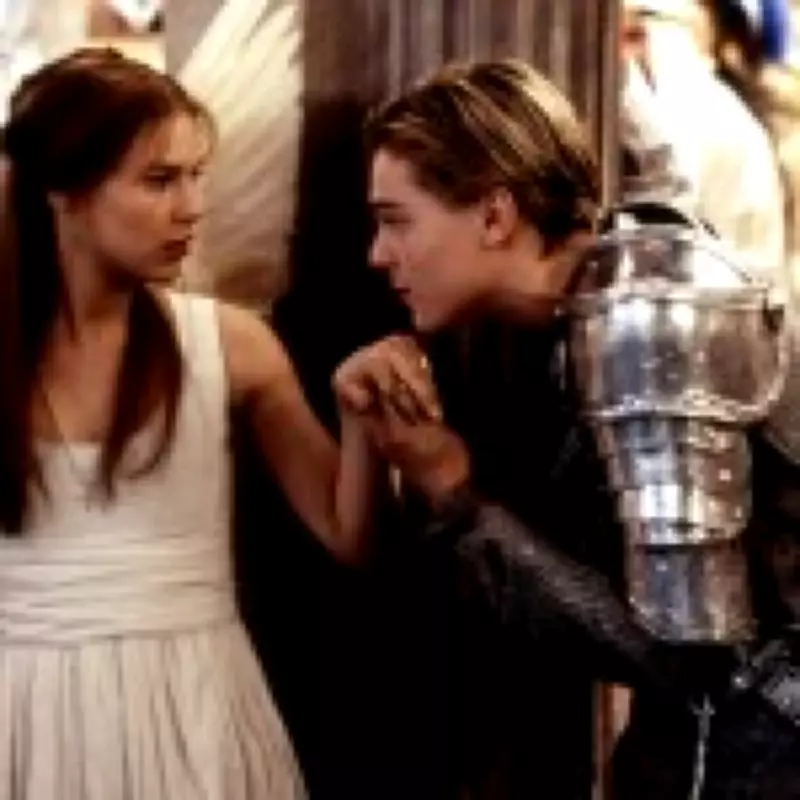
The knight-in-shining-armor Romeo and heavenly angel Juliet share their first meeting, culminating in a swoon-worthy elevator kiss that has become iconic. Romeo's declaration—"Did my heart love till now? Foreswear it, sight. For I never saw true beauty till this night"—continues to quicken pulses decades later. This sequence receives perfect comic relief through Paul Rudd's note-perfect portrayal of the ditzy, astronaut-suit-clad Paris, Juliet's eligible bachelor suitor.
Balancing Romance with Inevitable Tragedy
The sun-filtered romance remains constantly shadowed by the thrumming undercurrent of impending tragedy. Tybalt's self-destructive fury feels visceral and immediate, while Mercutio's ultimate sacrifice proves utterly gut-wrenching. His parting monologue—"A plague o' both your houses"—infused with frenzied anguish, deeply unsettled viewers upon initial release, with that emotional impact multiplying upon subsequent viewings.
Luhrmann demonstrates masterful control over escalating stakes throughout the narrative. Despite universal knowledge of the tragic conclusion awaiting these star-crossed lovers, the final moments set in the cross-and-candle-decked cave—where both die in one another's arms—remain exquisitely painful to witness. This adaptation not only comprehends Shakespeare's text but elevates it to unprecedented cinematic heights.
A Unique Achievement in Adaptation History
The cynical perspective suggests this particular adaptation could never be replicated today, having been brewed in a perfect storm of cultural moment, directorial vision, and casting alchemy. While other works explore similar territory—Hamnet tackles profound grief, She's All That embraces adolescent messiness, and West Side Story demonstrates Shakespeare's versatile influence—Romeo + Juliet manages to straddle all these thematic elements with remarkable ease.
Imbued with aching pathos, functioning as a time capsule of 1990s culture, and unapologetic in its high-camp, colorful aesthetic, Luhrmann has created a genuinely timeless work of cinema. Three decades of scrutiny have only reinforced its status as a masterpiece that continues to pierce hearts with the same emotional intensity it delivered upon its original release.