Reanimal Review: A Grim Fairytale That Haunts and Captivates
"I thought you were dead"—these chilling words greet players at the start of Reanimal, a horror puzzle-platformer from Tarsier Studios. This opening line sets the tone for a world where things have been going badly long before your arrival. In this grim fairytale, childhood terrors come to wretched life, creating an experience that is as beautifully macabre as it is hard to put down.
Exploring a Desolate World
Players take on the roles of child protagonists navigating dark waves and desolated urban environments in a rowboat. Their mission is to search for lost friends across a landscape filled with rabid, malformed entities. As the children grapple with their outsize fears, players will face similar struggles, though the option for co-op play offers a chance to brave the horrors with a companion on the couch.
Gameplay Mechanics and Nostalgia
In the early 2000s, the gaming blog Old Man Murray introduced the "crate review system," where the sooner a player encountered a wooden cube of mediocrity, the more uninspired the game. Updating this for 2026, Reanimal presents new contenders: how quickly do you shimmy through gaps, boost companions over ledges, or tediously rotate mechanisms with an analogue stick? The game pulls out all these hits within the first 20 minutes. By the time credits roll six hours later, developer Tarsier seems to have wrung the final drops of interactive novelty from its formula of light exploration puzzles, tense but simple stealth, and ghastly chases. Yet, this grim fairytale remains difficult to put down.

Inspired by Childhood Fears
Tarsier's Little Nightmares games were praised for their imposing worlds that reflect a child's thoughts and fears through a creepy funhouse mirror. Adults appear gangly and terrifying, work is bizarre, and bureaucracy is uncanny. Reanimal draws from this same well of fear, though occasional riffs—such as kids piloting a tank or finding a bazooka—feel at odds with the theme of childhood disempowerment.
Visuals and Atmosphere
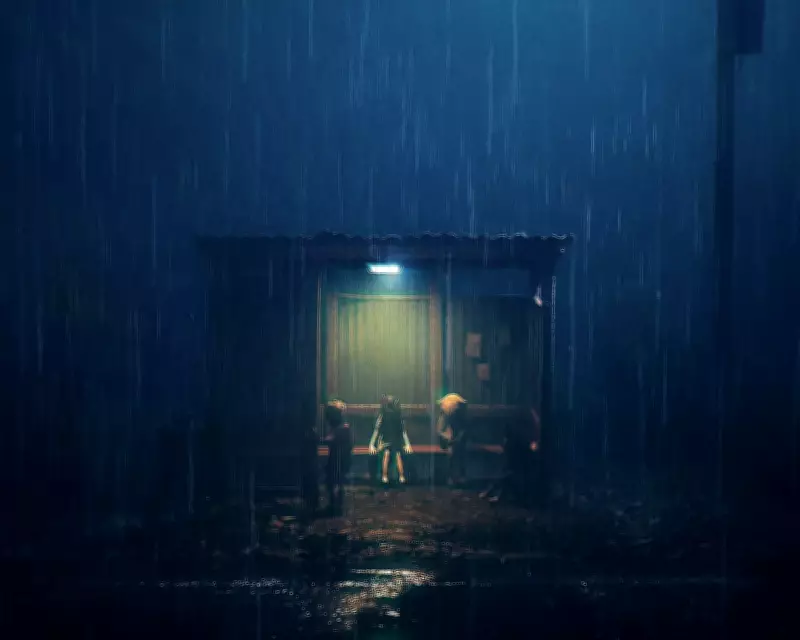
The world's worn and weary architecture feels fascinatingly wretched, with assured cinematography and arresting scale. Concrete and steel creak out sorrowful stories of decay and disaster. The starring pair journey through crumbling bulkheads, a rotting orphanage, and a forest so dark that sunrise seems a fanciful myth. Obscured crawlspaces hide silly, sad secrets, proving that even nightmares are more bearable with a traffic cone on your head.
Character Details and Gameplay Moments
Observing the children's confidence and resourcefulness, it's clear they've been dealing with hell for a long time. Yet, they're still kids—clumsily swinging a crowbar at giant seagulls or taking breaks on rusted slides. Players sneak through flooded basements in games of grandmother's footsteps, timing movements with clattering washing machines to hide from lanky, awful presences. Lovingly animated details brighten the murkiness: kids help each other up after falls, and beds quiver when jumped on. A lighter and lamp provide small comforts in the gloom.
Spectacular Moments and Narrative Flaws
The marquee moments of running from or tussling with gargantuan creatures are spectacular. One player vowed never to turn their back on a pelican again. Throughout, Reanimal drip-feeds clues to compelling mysteries about its world and the children's place within it. However, it falls short in recapturing the gut-punch ending of Little Nightmares II. An early sequence in a dilapidated theatre, with a projector flickering macabre images, exemplifies this: the scenes are darkly beautiful and memorable in isolation but don't form a cogent whole.
Reanimal releases on 13 February, offering a haunting journey into a world where childhood fears are vividly realized, blending puzzle-solving, stealth, and horror into an unforgettable experience.