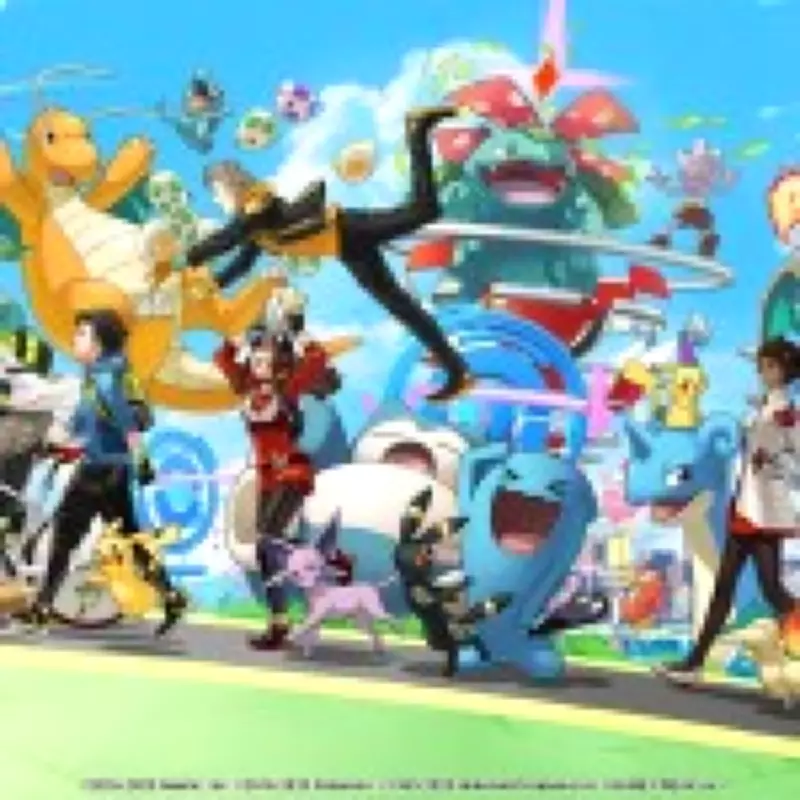
Three Decades of Pokémon: The Unfading Phenomenon
As one of the world's most expansive media franchises celebrates its 30th anniversary this week, the question arises: what is the secret behind Pokémon's unprecedented longevity? The journey began on February 27th, 1996, with the Japanese release of Pokémon Red and Green Versions, creating a cultural tsunami that would eventually engulf the globe.
The Foundation of a Global Empire
When Westernized Red and Blue Versions reached the United Kingdom three years later, they sparked what became known as Pokémania. These initial games achieved staggering sales exceeding 31 million copies worldwide, making them the highest-selling Pokémon titles to date. When combined with the anime-inspired Pokémon Yellow, they rank as the seventh best-selling video games in history.
Generation I introduced players to the original 151 pocket monsters, the explorable Kanto region, and a revolutionary trading system that required purchasing both game versions to "catch 'em all." This innovative connectivity laid the groundwork for decades of community engagement.

Multimedia Domination
The 1997 Japanese debut of the Pokémon anime (arriving in the UK in 1999) transformed characters like Pikachu, Bulbasaur, and Mewtwo into household names. Ash Ketchum's quarter-century quest to become a Pokémon Master created core memories for multiple generations, spanning over 1,350 episodes and 24 theatrical films.
Ash's journey culminated in 2022 when he achieved his goal, becoming the world's greatest Pokémon trainer—an event covered by major news outlets globally and displayed on Tokyo's famous Shibuya Crossing billboards. The anime continues weekly in Japan with new protagonists, maintaining the franchise's narrative momentum.
The Trading Card Phenomenon
The Pokémon Trading Card Game arrived alongside the initial craze, creating what Time Magazine described in 1999 as "a multimedia and interactive barrage like no other." Today, demand has reached unprecedented levels, with English-language cards disappearing from UK stockists within seconds and global shortages prompting The Pokémon Company to open a massive new printing facility in the United States.
The secondary market has reached astonishing heights, highlighted by influencer Logan Paul's record-breaking £12.1 million sale of the world's rarest Pokémon card. This scarcity has led to targeted burglaries at card stores worldwide, including in the UK, as collectors pursue increasingly valuable specimens.
Evolution Through Innovation
Despite now featuring over 1,000 creatures, the franchise maintains strong nostalgic connections to the original 151. This was evident when Pokémon Go launched in 2016, sending millions into parks and landmarks worldwide. The mobile game peaked at 200 million monthly users and surpassed $1 billion in earnings by 2020, demonstrating Pokémon's ability to adapt to new technologies.
The competitive scene continues to thrive, with last year's Pokémon European International Championships in London attracting 14,000 attendees—a number exceeded at this year's event. This ecosystem includes the Trading Card Game, mainline video games, and spin-offs like Pokémon Unite, creating multiple engagement points for fans.
Looking Toward the Future
As Pokémon Day approaches this Friday, expectations include announcements for Generation X, new Switch 2 games, updates on mobile title Pokémon Champions, and information about the imminent Pokopia spin-off. The franchise's success stems from balancing reverence for its origins with continuous innovation—a strategy that has transformed what many initially dismissed as a passing fad into a permanent cultural institution.
With remakes like 2004's FireRed and LeafGreen modernizing the original experience while preserving its essence, Pokémon has demonstrated remarkable adaptability. As the franchise enters its fourth decade, its trajectory suggests the next 30 years may prove even more successful than the first, maintaining its position as the longest-running "fad" in video game history.