Oscar Documentaries 2026: The Lasting Impact of This Year's Nominees
The year 2025 marked a significant milestone for nonfiction cinema, with a slate of extraordinary documentaries that captured acts of courage, heart, and vulnerability. However, it was also a challenging period for politically charged films, many of which faced distribution hurdles. Despite these obstacles, five remarkable documentaries have earned Oscar nominations for 2026, each demonstrating how individual actions can challenge oppressive systems and inspire change.
The Power of Documentary Filmmaking in Modern Society
These films, which premiered at the Sundance Film Festival in January 2025, have since had staggered releases worldwide. Their existence feels improbable, with one composed largely of police footage obtained through legal action, another filmed on contraband cell phones in Alabama prisons, and others offering rare glimpses into terminal illness, Russian propaganda, and women's rights in Iran. As Oscar weekend approaches, the real-world impact of these documentaries continues to unfold, affecting both subjects and audiences.
The Perfect Neighbor: A Harrowing Look at Racialized Gun Violence
Geeta Gandbhir's The Perfect Neighbor, available on Netflix, is considered the Oscar frontrunner. This 96-minute film edits around 30 hours of police bodycam footage into a devastating portrait of the 2023 murder of Ajike "AJ" Owens in Ocala, Florida. The documentary highlights how Florida's "stand your ground" law, which exists in 37 other states, disproportionately harms people of color. Since the film's release, Owens's family and the filmmaking team have launched the Standing in the Gap advocacy campaign to overturn such laws. Pamela Dias, Owens's mother, emphasized that without the film, her daughter "would have been just another dead Black person." Meanwhile, the perpetrator, Susan Lorincz, remains incarcerated and has considered a defamation suit, though the community has largely moved away from the neighborhood.

The Alabama Solution: Exposing Prison Abuses and Sparking Reform
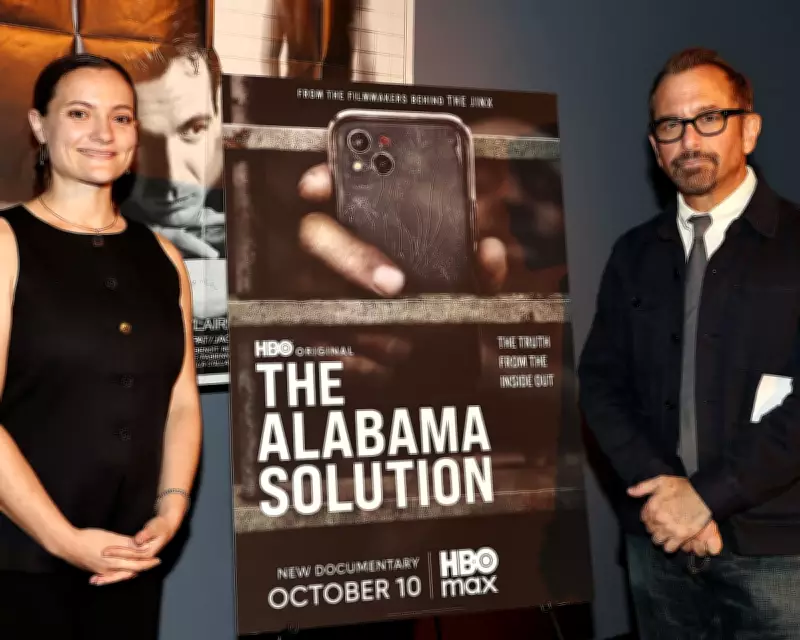
Andrew Jarecki and Charlotte Kaufman's The Alabama Solution, produced for HBO, reveals the inhumane conditions in Alabama's state prisons, including beatings, drug abuse, and forced labor. Filmed secretly over six years using contraband cell phones, it features subjects like Robert "Kinetik Justice" Earl Council, who were transferred to solitary confinement after the Oscar nomination. The film has spurred legislative action, with a bipartisan bill for independent prison oversight introduced in Alabama's senate. Governor Kay Ivey declined an invitation to screen the film, but state senator Larry Stutts noted, "You cannot unsee what you've seen," acknowledging the film's role in raising public awareness.
Mr Nobody Against Putin: Documenting Propaganda in Rural Russia
Mr Nobody Against Putin offers an unprecedented look at propaganda in a primary school in the Ural mountains, filmed by Pavel Talankin, who fled Russia under threat of imprisonment. The documentary shows how grenade-throwing classes and "denazification" curricula replace traditional education. Talankin, now in exile, hopes the film helps Russians understand the indoctrination occurring in schools. Despite threats from some in his hometown, the film has been viewed via bootlegged copies, and it recently won a Bafta, with co-director David Borenstein praising Talankin's courage.
Come See Me in the Good Light: A Poetic Journey Through Terminal Illness
Ryan White's Come See Me in the Good Light, streaming on Apple TV, follows poet Andrea Gibson's battle with terminal ovarian cancer alongside partner Megan Falley. Gibson passed away in July 2025, but the film captures their vibrant spirit and love for life. Falley continues Gibson's legacy through a Substack and press tours, describing herself as "Andrea's earth-side delegate" who carries forward their messages. The documentary serves as a poignant reminder of mortality and the power of love, resonating deeply with audiences.

Cutting Through Rocks: Championing Women's Rights in Iran
Sara Khaki and Mohammadreza Eyni's Cutting Through Rocks profiles Sara Shahverdi, a female farmer and village council member in rural Iran who advocates for women's rights despite patriarchal norms. The film, which won the Grand Jury prize at Sundance, shows Shahverdi riding motorcycles, wearing pants, and supporting girls' education. Although distribution is limited, Shahverdi continues her advocacy, including for a new school in her village. Unable to attend the Oscars due to travel bans, she remains "thrilled" that her story reaches global audiences.
Conclusion: The Enduring Legacy of Documentary Cinema
These five Oscar-nominated documentaries for 2026 illustrate the profound impact of nonfiction filmmaking on social justice, human rights, and personal resilience. From prison reform in Alabama to women's empowerment in Iran, each film has sparked conversations and actions beyond the screen. As the Oscars approach, their stories remind us of the power of cinema to challenge, inspire, and effect real change in an increasingly complex world.