Orwell 225 Documentary Review: A Portrait That Doesn't Fully Cohere
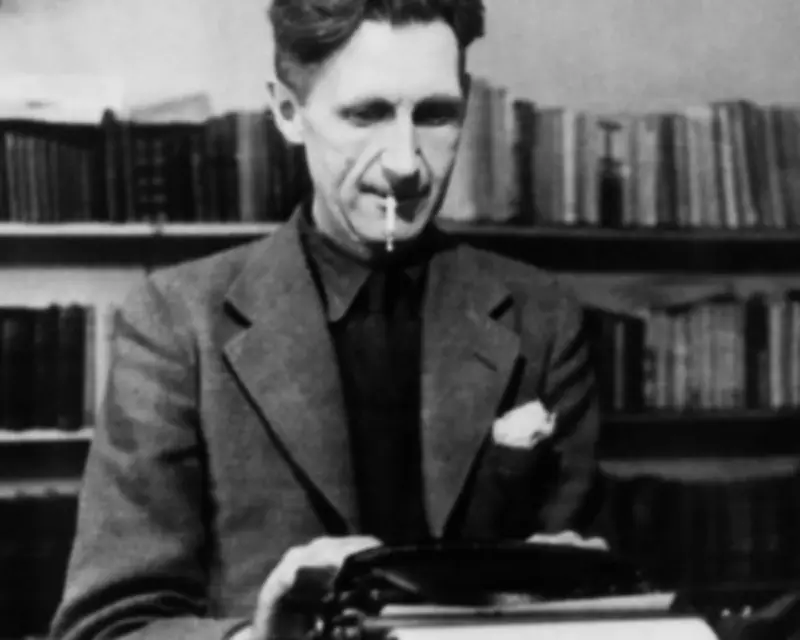
A new documentary film, Orwell 225, attempts to delve into the life and legacy of the iconic author George Orwell, but ultimately presents a portrait that feels disjointed and incomplete. Released recently, this cinematic exploration aims to capture the essence of Orwell's work and persona, yet struggles to weave together the various threads of his complex narrative into a cohesive whole.
Exploring Orwell's Multifaceted Legacy
The documentary provides an in-depth look at Orwell's most famous works, such as 1984 and Animal Farm, which have left an indelible mark on literature and political thought. It features interviews with scholars, biographers, and cultural critics who discuss Orwell's enduring influence on modern society. However, the film often jumps between different aspects of his life—from his early years in colonial India to his experiences in the Spanish Civil War and his later literary success—without establishing a clear thematic throughline.
This lack of narrative cohesion makes it challenging for viewers to fully grasp the evolution of Orwell's ideas and the personal struggles that shaped his writing. While the documentary is rich in historical detail and archival footage, it fails to synthesize these elements into a compelling story that resonates on an emotional or intellectual level.

Contradictions and Omissions
One of the key issues with Orwell 225 is its handling of Orwell's contradictions. The film touches on his democratic socialist ideals alongside his sometimes controversial personal views, but does not delve deeply enough into how these tensions influenced his work. For instance, his critiques of totalitarianism are highlighted, yet his own complex relationship with authority and politics is glossed over.
Additionally, the documentary omits significant periods of Orwell's life, such as his time as a police officer in Burma, which could have provided crucial context for his later writings on imperialism and power. This selective approach leaves gaps in the portrait, making it feel more like a series of vignettes than a comprehensive biography.
Visual and Narrative Style
Visually, Orwell 225 employs a mix of reenactments, interviews, and historical clips, which are technically well-executed but often feel disjointed. The pacing is uneven, with some segments dragging on while others rush through important moments. The soundtrack and editing choices, though atmospheric, do little to bridge the narrative gaps, resulting in a film that is informative yet emotionally distant.
Despite these flaws, the documentary succeeds in reminding audiences of Orwell's relevance in today's political climate, with references to contemporary issues like surveillance and misinformation. However, this connection is not fully explored, leaving viewers with a sense of missed opportunity.
Final Verdict
In summary, Orwell 225 is a documentary that offers valuable insights into George Orwell's life and work but falls short of providing a unified and engaging portrait. Its fragmented approach and omissions hinder a deeper understanding of the author, making it a film that will appeal to Orwell enthusiasts seeking additional context but may disappoint those looking for a more cohesive narrative. For a truly comprehensive look at Orwell, viewers might need to supplement this documentary with other sources.