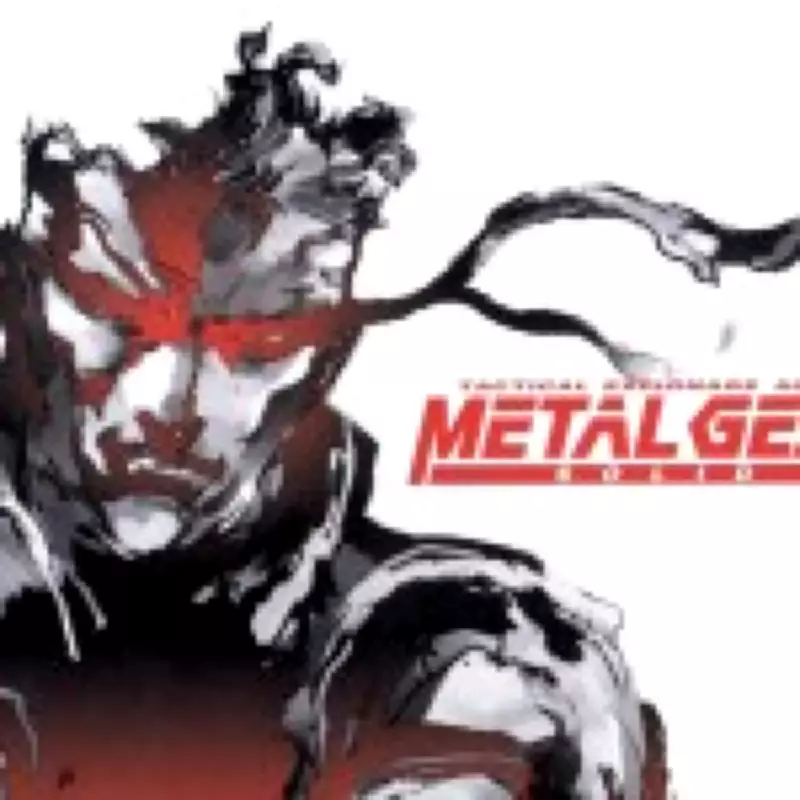
Revisiting a PlayStation Legend After Three Decades
Returning to Metal Gear Solid after 28 years presents a fascinating blend of admiration and frustration. This groundbreaking 1998 title, which revolutionized the stealth-action genre on PlayStation 1, remains a landmark achievement in interactive storytelling. Yet time has revealed both its enduring brilliance and its unmistakable aging.
The Immersive World of Shadow Moses
From the opening cinematic set in the Bering Sea, Metal Gear Solid establishes its cinematic ambitions. The game's production values, particularly its atmospheric score, create an experience that feels more like participating in a Hollywood thriller than playing a conventional video game. Despite primitive graphics by today's standards, Shadow Moses Island retains its immersive power through meticulous environmental storytelling and innovative gameplay systems.
The top-down perspective initially feels restrictive compared to modern third-person games, but the strategic radar system and thoughtful level design maintain the gameplay's effectiveness. What truly impresses is how the environment responds to player actions: enemies follow footprints in snow, display visible breath in cold areas, and react with the now-iconic exclamation marks when alerted.

Gameplay Mechanics That Defined a Genre
Playing as Solid Snake with minimal equipment creates a compelling treasure hunt dynamic. The OSP (on-site procurement) system forces players to explore every corner of the military base, discovering essential gear like thermal goggles, C4 explosives, and Stinger missiles. This scarcity of resources amplifies tension and rewards thorough exploration.
The boss battles against Foxhound members remain memorable encounters, each requiring unique strategies rather than brute force. From the psychic warfare of Psycho Mantis to the sniper duel with Sniper Wolf, these confrontations showcase the game's creative approach to combat. Even when challenging, these encounters rarely feel unfair—just demanding of player skill and observation.
Narrative Strengths and Weaknesses
Metal Gear Solid's storytelling represents both its greatest achievement and most significant flaw. The complex narrative about nuclear proliferation, genetic engineering, and information control remains surprisingly relevant. However, the game's tonal inconsistencies and awkward character moments haven't aged gracefully.
Snake's inappropriate comments toward female characters feel particularly dated, while romantic subplots develop with unrealistic speed. The lengthy CODEC conversations, though packed with world-building details, test modern players' patience with their verbosity. Mei Ling's constant proverbs during save sequences exemplify how the game's pacing suffers from excessive dialogue.
Enduring Innovations and Legacy
What makes Metal Gear Solid worth revisiting are its groundbreaking innovations that still feel fresh today. The fourth-wall-breaking moments with Psycho Mantis, the clever use of controller ports, and the inventive cardboard box stealth mechanics demonstrate Hideo Kojima's creative genius. These moments of interactive brilliance compensate for the game's narrative missteps.
The final confrontation with Metal Gear Rex highlights both the game's strengths and frustrations. The two-phase battle remains an epic conclusion, though the unskippable cutscene between phases becomes punishing during repeated attempts. This design choice reflects the era's less player-friendly conventions.
A Balanced Verdict on a Gaming Classic
Returning to Metal Gear Solid confirms its status as a masterpiece with noticeable flaws. The game's atmospheric world-building, innovative gameplay systems, and creative design choices outweigh its dated elements and narrative inconsistencies. While certain aspects haven't aged well, the core experience remains compelling enough to inspire immediate replay.
The game's imperfections—marked by capital B BAD moments—are balanced by flashes of genius that continue to influence game design decades later. For all its quirks and frustrations, Metal Gear Solid delivers an experience that few modern games can match in creativity and ambition. It stands as both a product of its time and a timeless example of interactive storytelling at its most inventive.