Netflix's Lucy Letby Documentary Unveils First Admission of Doubt from Accusing Doctors
The highly anticipated Netflix documentary, The Investigation of Lucy Letby, is set for release this Wednesday, delving into one of Britain's most harrowing criminal cases. The film revisits the evidence that led to Letby's conviction for the murder of seven infants and attempted murder of seven others between 2015 and 2016, a case that branded her the country's worst child serial killer. However, the documentary takes an unexpected turn by highlighting growing scepticism from medical experts worldwide.
Unprecedented Access and Controversial Footage
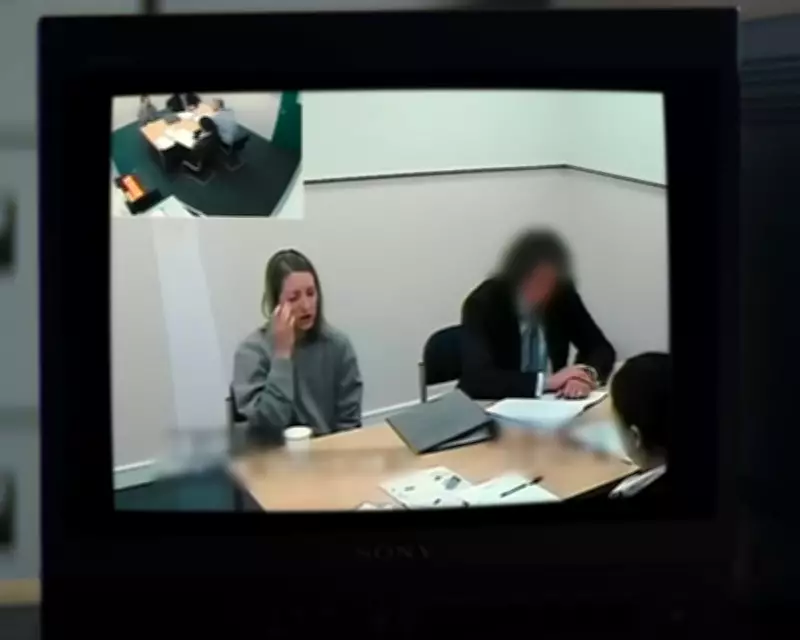
Cheshire police granted unparalleled and exclusive access to the documentary makers shortly after Letby received 15 whole-life sentences. This access included never before seen footage, much of which depicts Letby's three arrests. Critics, including Letby's parents, have condemned this footage as intrusive, showing her in vulnerable states at her home and her parents' house in Hereford. Despite promises of new material, the film largely relies on evidence already presented at trial, such as shift charts linking Letby to 25 suspicious incidents and her private notes, which prosecutors argued were confessions but defenders claim were written in mental distress.
Expert Criticism and the Defence Perspective
Since Letby's trials, the prosecution evidence and police handling have faced unprecedented criticism from distinguished medical experts. Led by Canadian neonatologist Dr Shoo Lee, who appears in the documentary reiterating that his research was misused to convict Letby, many experts now believe she is innocent and a victim of a catastrophic miscarriage of justice. The film contrasts this with the prosecution's reliance on experts like retired paediatrician Dr Dewi Evans, who quickly diagnosed deliberate harm despite previous reviews finding no evidence of such.

First Public Admission of Doubt
The documentary's most notable revelation comes from Dr John Gibbs, a consultant at the Countess of Chester Hospital. In a poignant moment, Gibbs admits to living with two guilts: guilt over failing the babies and a tiny, tiny, tiny guilt about whether they accused the wrong person. This marks the first public admission of doubt from one of the doctors who initially reported Letby to police, adding a new layer of complexity to the case. Meanwhile, police figures like Det Supt Paul Hughes express no doubts in the film, and the documentary includes emotional accounts from a mother who lost her baby, highlighting failures in hospital care.
Broader Implications and Ongoing Debates
The release of this documentary reignites debates over Letby's conviction and the justice system's handling of high-profile cases. With experts divided and public opinion swayed by media portrayals, the film underscores the need for thorough scrutiny in such sensitive matters. As viewers engage with this compelling narrative, it prompts reflection on the balance between privacy, justice, and the pursuit of truth in modern Britain.