Federal Judge Imposes Temporary Ban on ICE's Use of Teargas in Portland
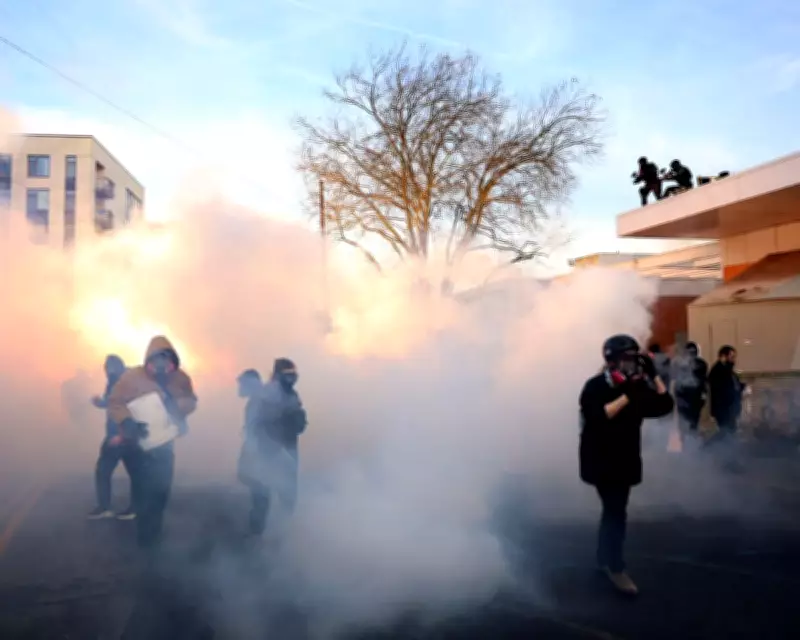
A federal judge has issued a significant temporary restraining order that restricts Immigration and Customs Enforcement (ICE) officers from employing teargas or projectile munitions against demonstrators outside the agency's building in Portland, Oregon. This judicial intervention follows a weekend where federal agents reportedly fired chemical agents and rubber bullets into a crowd of thousands, which included children, during what local officials described as a peaceful protest.
Details of the Court Order and Its Implications
The ruling, delivered by US District Judge Michael Simon, explicitly prohibits federal officers from using chemical or projectile munitions unless the targeted individual poses an imminent threat of physical harm. Furthermore, the order limits officers from aiming such munitions at the head, neck, or torso unless legally justified in using deadly force. This temporary restraining order is set to remain in effect for a period of fourteen days, providing a brief respite from the escalating tensions.
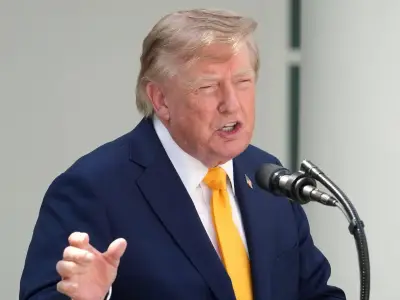
Judge Simon's decision came in response to a lawsuit filed by the American Civil Liberties Union of Oregon, representing protesters and freelance journalists who have been covering the ongoing demonstrations. The legal action names the Department of Homeland Security, its head Kristi Noem, and former President Donald Trump as defendants, arguing that the use of excessive force constitutes retaliation that chills First Amendment rights.

Accounts of Excessive Force and Civilian Injuries
The court order documents several distressing instances where plaintiffs faced aggressive tactics from federal agents. For example, an 83-year-old Vietnam war veteran, Richard Eckman, and his 84-year-old wife, Laurie Eckman, were among those targeted during a peaceful rally in October. Laurie Eckman was struck in the head by a pepper ball, resulting in a concussion and requiring emergency medical treatment, while her husband's walker was also hit by munitions.
Another plaintiff, Jack Dickinson, known for attending protests in a chicken costume, reported being pepper-sprayed directly in the face on two occasions and shot in the back with less-lethal munitions from a close range. Federal officers also allegedly fired at his face respirator and launched a teargas canister that burned a hole in his costume. Additionally, video journalist Mason Lake was maced and shot in the groin, and photojournalist Hugo Rios had his camera broken, was targeted with teargas, and shot with pepper balls multiple times despite being alone in the area.
Broader Context and National Reactions
This ruling is part of a wider national debate over the use of chemical munitions by federal agents during protests. Similar legal challenges have emerged in other states, such as Minnesota and Chicago, where courts have previously considered restrictions on teargas and pepper spray against peaceful demonstrators. The issue has gained prominence amid nationwide demonstrations against the Trump administration's immigration policies, with incidents in cities like Minneapolis, where federal agents have been involved in fatal shootings.
Local officials in Portland have voiced strong opposition to the tactics employed by ICE. Mayor Keith Wilson demanded that ICE leave the city after agents used chemical munitions at a peaceful daytime protest, urging agents to resign and condemning the gassing of children. The protest in Portland is one of many across the country, highlighting ongoing civil unrest and concerns over immigration enforcement practices.
Investigative Findings and Ongoing Concerns
An investigation by ProPublica and Frontline revealed numerous cases where immigration officers fired less-lethal munitions at vulnerable body parts or into crowds including children, raising serious questions about accountability and training. Nationally, the use of such projectiles has drawn broad criticism, with reports of demonstrators being blinded in incidents in Santa Ana, California.

The court order emphasises that the defendants' actions have caused irreparable harm, including physical injuries and a chilling effect on free speech and assembly rights. As this legal battle continues, the temporary ban serves as a critical check on federal power, underscoring the importance of judicial oversight in protecting civil liberties during times of political tension.