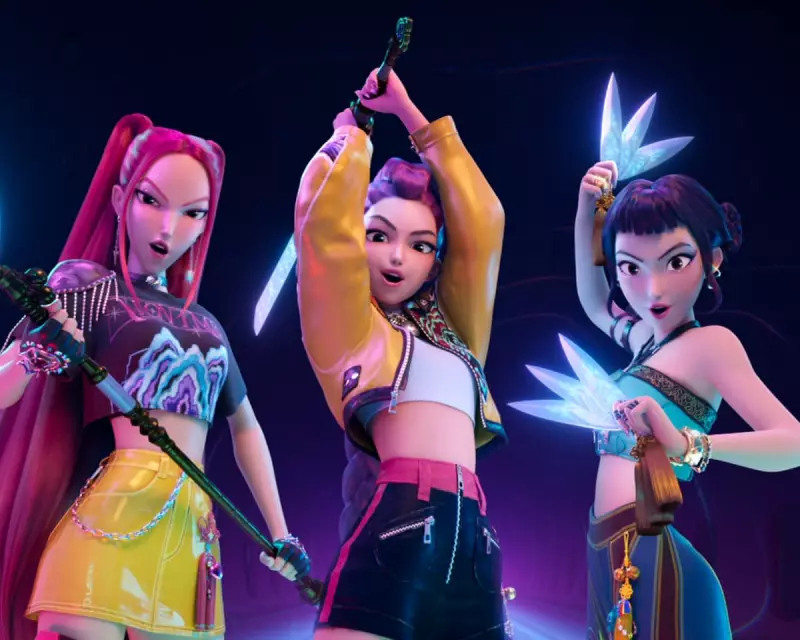
In a stunning turn of events that took the entertainment industry by surprise, the animated film KPop Demon Hunters has shattered records to become a genuine global phenomenon. Landing on Netflix in late June with little fanfare, the movie swiftly evolved into the platform's most-watched film of all time, captivating audiences worldwide and creating a fervent fan culture that continues to thrive six months later.
From Niche Release to Record-Breaking Juggernaut
The film's premise is a unique blend of music and fantasy. It follows Huntr/x (pronounced "Huntrix"), a K-pop girl group who secretly double as demon hunters, using their empowering pop music and combat skills to protect humanity. Their rivals are the Saja Boys, a boy band who are secretly demons. The plot centres on their conflict, which threatens the Honmoon—a magical barrier protecting the human world.
By September, the film had achieved a staggering 300 million views, officially dethroning the 2021 action movie Red Notice as Netflix's most-watched film ever. Its commercial impact was undeniable, credited with boosting Netflix's revenue by 17% in October. Critically, it was also a triumph, holding a score near 100% "fresh" on Rotten Tomatoes from both critics and audiences.

The Real-World K-Pop Power Behind the Fantasy
The film's authenticity stems from its genuine K-pop pedigree. Seasoned producers and musicians were enlisted, including singer Kevin Woo (formerly of U-KISS), producer Teddy Park (known for his work with Blackpink), and former BTS collaborators Lindgren and Stephen Kirk. Ian Eisendrath, the executive music producer, aimed to make the soundtrack reflect K-pop as "the most theatrical genre of pop."
This strategy paid off spectacularly. The soundtrack became a historic hit, becoming the first ever to have four songs simultaneously in the Billboard Hot 100's Top 10 (with three in the UK Top 5). It is Spotify's second most-streamed album of 2025 and spent over four months atop the global Billboard charts, earning five Grammy nominations.
When Fiction Sparks a Frenzy in Reality
Perhaps the most remarkable aspect of the film's success is how its fictional world spilled into reality. The movie's accurate depiction of modern fandoms—where fans coordinate on social media to drive streams—inspired real-world fan armies for both Huntr/x and the Saja Boys. In July, marketing firm Pulsar found that social media mentions of the fictional groups were outranking those of global superstars like Lady Gaga, Ed Sheeran, and Billie Eilish.
The cultural impact was immediate and widespread. The trio's images became memes, their choreography was replicated endlessly on TikTok, and fan fiction proliferated. In an extreme example, a Buddhist monk even livestreamed a two-hour salvation ritual for the demonic Saja Boys.
The phenomenon extended beyond streaming. A singalong cinema release eight weeks after the Netflix debut sold out over 1,300 screenings in the US, UK, Canada, Australia, and New Zealand, topping the US box office in late August.
A New High for the Korean Wave
Creator and co-director Maggie Kang, who worked with Chris Appelhans, stated Netflix encouraged her to make a film that was "very culturally Korean." This influence is seen in the demon hunters, who are inspired by mudang (Korean shamans), and in details like the characters consuming kimbap, tteokbokki, and branded ramyeon.
The story is far from over. A sequel is reportedly in the works for 2029, with the delay partly to allow merchandise production to catch up. Mattel is creating a set of Huntr/x dolls expected to retail for $150. Meanwhile, the film and its anthem Golden are strong contenders for Best Animated Film and Best Original Song at the upcoming Oscars.
From a surprise Netflix release to a chart-topping, social media-dominating force, KPop Demon Hunters has cemented its place in pop culture history, proving the potent, global appeal of a perfectly blended Korean fantasy.