La Haine Director Declares AI as Cinema's Future at Cannes Festival
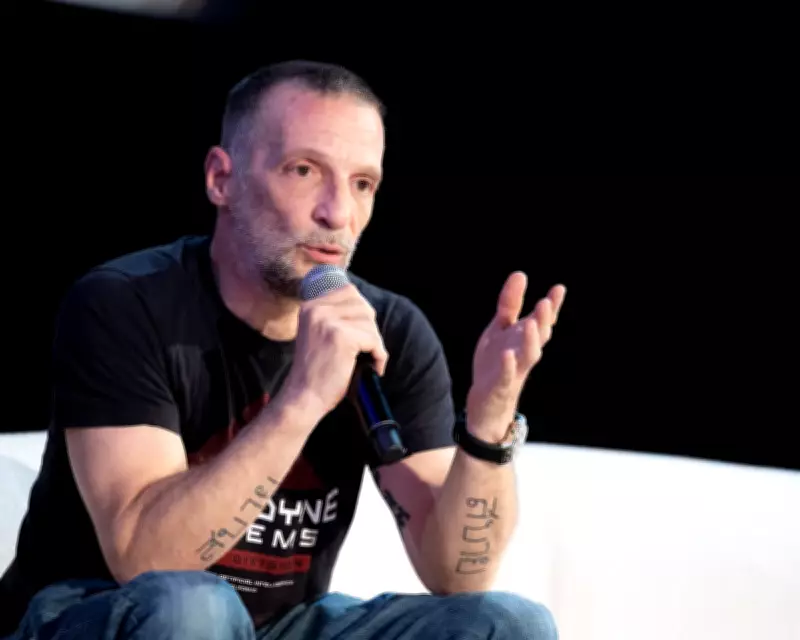
Mathieu Kassovitz, the acclaimed director behind the masterpiece La Haine, has boldly predicted that artificial intelligence will fundamentally transform cinema, with AI-generated actors achieving superstar status within just a few years. Speaking at the second World AI film festival in Cannes, Kassovitz dismissed widespread fears about AI's impact on creativity and intellectual property, famously stating: "Fuck copyright."
AI Actors with Millions of Followers
Kassovitz revealed that while many filmmakers worry AI-generated human characters appear soulless, he recently witnessed an AI creation with "an emotion in his eyes that made me shiver." He forecasts that within a short timeframe, audiences will embrace "really, really good AI superstars" who exist digitally and interact directly with fans through their phones.
"In a few years from now, you will have AI actors with millions of followers," Kassovitz declared. "They will exist in your phone and when they have a promo for the movie, you can talk to them directly."
Dismissing Copyright Concerns
The 58-year-old director, currently working on an almost entirely AI-enabled film adaptation of a 1940s wartime comic book, argued that concerns about AI stealing intellectual property are overblown. He pointed to cinematic history, noting that all artists borrow from their predecessors.
"La Haine was made from other films. They stole also," Kassovitz explained. "I stole shots from Scorsese that he stole from Kurosawa that he stole from Eisenstein. Unless you created something from the ground up, we're all thieves. So, as AI steals everything, it doesn't steal anything."
Contrasting Views at Cannes
Kassovitz's enthusiastic endorsement of AI contrasts sharply with the main Cannes film festival's recent announcement banning AI-generated films from its official competition. Festival president Iris Knobloch has asserted that "AI imitates very well, but it will never feel deep emotions."
However, Kassovitz remains unconvinced, predicting that "in two years from now nobody will care" whether film characters are created by AI or played by human actors.
Economic Advantages of AI Filmmaking
The director revealed practical benefits driving his embrace of AI technology. His planned adaptation, The Beast is Dead, would have cost $50-60 million for traditional visual effects through US and European studios. Using AI, he estimates the cost at just $25 million.
Kassovitz is establishing an AI film studio in Paris, comparing it to George Lucas creating Industrial Light and Magic in 1975 for Star Wars. He sees AI as "the last artistic tool we need" that will democratize filmmaking by making it more affordable and accessible.
Hollywood's AI Integration
Kassovitz's comments come as Hollywood studios increasingly integrate AI into their productions. Major studios are investing in AI companies and hiring tech leaders to guide implementation. Paramount boss David Ellison, whose recent acquisition of Warner Bros positions him as a major industry player, stated: "AI is here, and it's going to be transformative across all aspects of the business."
Recent examples include the trailer for "As Deep as the Grave," featuring an AI-generated performance by the late Val Kilmer, created with permission from his estate.
Industry Resistance and Legal Challenges
Despite Kassovitz's optimism, significant resistance persists within the creative community. Critics argue AI-enabled cinema lacks soul and threatens to make actors, composers, and craftspeople redundant. Writers, directors, and musicians are fighting tech companies that train AI models on copyrighted work without consent or compensation.
Tim Kraft, a leading German copyright lawyer speaking at the same festival, revealed approximately 140 pending cases against AI companies over copyright infringement, primarily in the US and Germany.
"It's only fair and just to have tech platforms pay for the usage – they make bazillions," Kraft argued. "We need to urgently find a solution to have the likes of Google and OpenAI pay for their usage because they operate on our knowledge and copyrighted material."
The Emotional Paradox
Kassovitz acknowledged the emotional complexity of his position, admitting that seeing convincing AI performances "breaks my heart." He emphasized that current AI filmmaking still requires human actors for voice work, maintaining some traditional creative elements.
Despite his dismissal of copyright concerns generally, Kassovitz clarified he would take legal action if someone created "some stupid shit" with his work, demonstrating nuanced views on intellectual property protection.
The director's full-throated advocacy for AI represents a significant voice in the ongoing debate about technology's role in creative industries, forecasting rapid transformation that will challenge traditional notions of artistry, performance, and ownership in cinema.