How to Make a Killing Review: A Pale Imitation of Classic Ealing Comedy
Remaking Robert Hamer's 1949 British masterpiece Kind Hearts and Coronets – widely regarded as the greatest Ealing Studios comedy and, in many opinions, one of the finest films ever made – requires a level of audacity comparable to that of an amateur artist attempting to restore a priceless painting. The new film How to Make a Killing, directed by John Patton Ford, unfortunately falls short of this challenge, emerging as a mere pretender to the original's throne.
A Bloody Quest for Inheritance Loses Its Edge
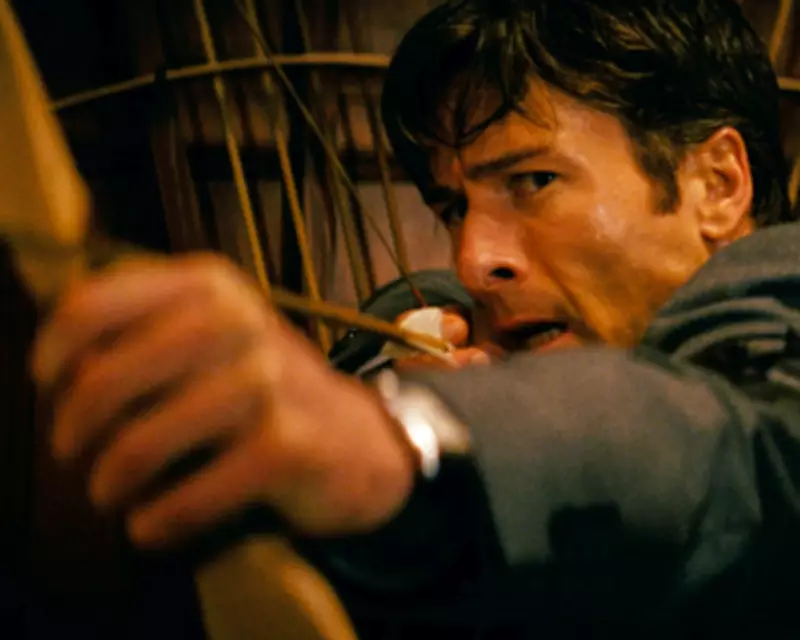
This American remake transplants the story to present-day United States, with Glen Powell taking on the role of Becket Redfellow, a young man excluded from his wealthy family who embarks on a serial-killing spree to claim his inheritance. While Powell gives a game performance, he lacks the ice-cold elegance and furious emotional power that Dennis Price brought to the original character of Louis.
The film follows the basic plot of the classic, but crucial elements are lost in translation. The all-important theme of class-consciousness and class shame, so central to the British original, is largely absent in this new setting. This omission significantly weakens the satirical bite that made Kind Hearts and Coronets such a brilliant commentary on male careerism and social climbing.

Missing the Mark on Multiple Fronts
Several aspects contribute to the film's shortcomings:
- Casting limitations: Unlike Alec Guinness's legendary performance playing all eight family members in the original, the victims here are portrayed by different actors, resulting in a less cohesive and impactful narrative device.
- Supporting cast: Margaret Qualley plays the Sibella figure with slinky appeal, and Jessica Henwick brings warmth as Becket's true love, but neither can compensate for the film's fundamental weaknesses.
- Directorial approach: John Patton Ford, known for the Aubrey Plaza thriller Emily the Criminal, fails to capture the delicate balance of dark humor and social commentary that defined the original.
Comparisons to Other Failed Remakes
This film joins a growing list of problematic Ealing Studios remakes, including the Coen Brothers' uneasy version of The Ladykillers and Todd Phillips' heavy-handed remake of Hamer's School for Scoundrels. The central question remains: why remake such perfect originals, especially when the new setting strips away essential thematic elements?
The original 1949 film featured Dennis Price as Louis, an Edwardian draper's assistant living in genteel poverty after his mother was rejected by her snobbish family for marrying beneath her. His vengeful plot to murder all family members standing between him and a dukedom was elevated by Alec Guinness's remarkable performance playing all eight victims, creating a powerful commentary on entitlement and class structure.
Final Verdict: A Missed Opportunity
How to Make a Killing represents a significant missed opportunity. While not as disastrous as it could have been, the film ultimately feels like a pale imitation that never approaches the brilliant satire of its predecessor. Glen Powell tries his best as a desperate serial killer, but the material simply doesn't provide the depth or sophistication needed to justify this remake.
The film is currently available in the United States and Australia, with a UK release scheduled for March 13th. For those unfamiliar with the original, this version might provide mild entertainment, but for fans of Ealing comedies and classic cinema, it serves as a disappointing reminder that some masterpieces are best left untouched.