The Dunblane Tapes: A Heartbreaking Look at Grief and Resilience
Thirty years after the Dunblane massacre, a profoundly moving documentary, The Dunblane Tapes, offers an intimate glimpse into the unfathomable grief of parents who lost children in the tragedy. Based on video recordings made by bereaved father John Crozier, this film lays bare the raw emotions and enduring pain that still haunt families today.
The Tragedy Revisited
On March 13, 1996, Thomas Hamilton entered Dunblane Primary School in Scotland and shot dead 15 children aged five to six, along with their teacher, Gwen Mayor, during a PE lesson. A 16th child later died en route to the hospital. The documentary retells this harrowing event with quiet sensitivity, using sparing but effective news footage that shows parents rushing to the school in slippers and police officers overcome with emotion as the news unfolded.
Personal Stories of Loss
John Crozier, who lost his five-year-old daughter Emma, documented his journey through grief on video. His tapes include gatherings with other bereaved parents, such as Les Morton, who also lost his five-year-old daughter Emily. The footage captures the bewildered siblings left behind, the arrival of new children, and the small, everyday moments that continued despite the overwhelming loss. For instance, Emma's three-year-old brother Jack is seen making fairy cakes with his grandmother, dreaming of becoming "a big baker."

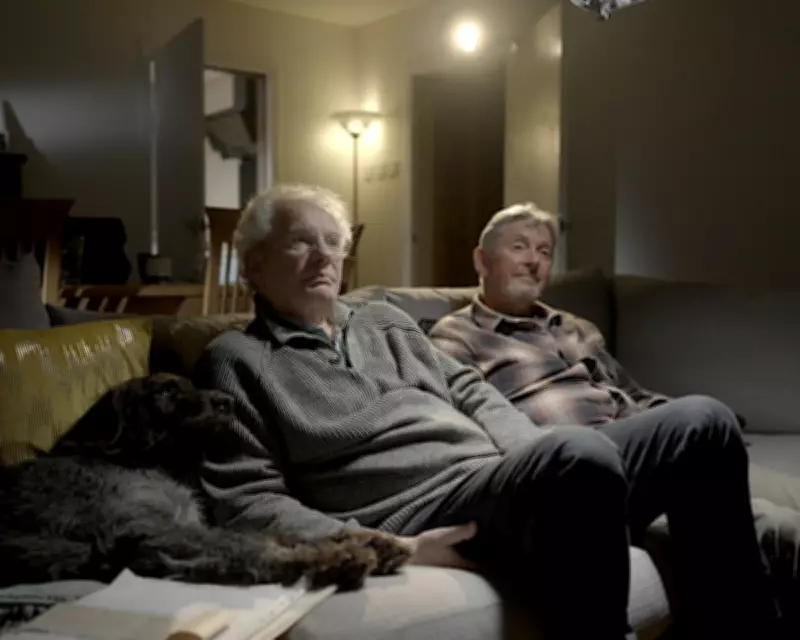
In present-day interviews, Crozier and Morton, now white-haired, reflect on their experiences. Morton recalls the shock of hearing about the shooting, while Crozier describes seeing Emma's face every morning upon waking. Their shared understanding of grief is palpable, with Morton expressing venomous anger over his child's permanent absence.
The Campaign for Change
Interwoven with these personal narratives is the story of the Snowdrop Petition, launched by Ann Pearston in response to the tragedy. Named after the flowers blooming in Dunblane at the time, the petition aimed to ban handguns in the UK, as assault rifles had been prohibited after the Hungerford shootings. With support from Jacqueline Walsh and Rosemary Hunter, the campaign grew into a public movement that garnered cross-party backing and faced down a well-funded pro-gun lobby.
The efforts culminated in a full ban on private handgun ownership in 1997, aided by Tony Blair's Labour government coming to power. This achievement stands in stark contrast to the lack of gun law reforms in the US after events like the Sandy Hook Elementary School shooting. Crozier and Morton express admiration for the campaigners, noting that it brought some measure of peace, though Crozier emphasizes that no victory can offset the loss of a child.
A Legacy of Pain and Purpose
The Dunblane Tapes not only memorializes the victims but also highlights the resilience of those left behind. It serves as a poignant reminder of the ongoing impact of gun violence and the power of collective action in driving policy change. The documentary is currently available on Channel 4, offering viewers a chance to witness this deeply human story of tragedy and hope.