Blueberry Dreams Review: A Gentle, Humorous Portrait of a Georgian Family Starting a Fruit Farm
War remains a constant background presence, yet the primary focus rests on a kind-hearted father, his resilient wife, and their young sons as they grapple with the challenges of turning a profit from working the land. Georgian film-maker Elene Mikaberidze's inaugural feature-length documentary is a gentle, sweet-natured, and deeply embedded observational work that tracks a working-class family over an eighteen-month period while they establish a blueberry plantation.
Government Incentives and Personal Choices
The opening text reveals that Soso, the family patriarch, originally worked as an engineer but decided to abandon his profession and embrace farming. This choice is partly motivated by attractive credit incentives offered by the Georgian government, particularly for individuals cultivating land near the border with Abkhazia. This region was once part of Georgia but has effectively functioned as a puppet state of Russia since the 2008 Russia-Georgia conflict.
Family Dynamics and Political Undercurrents
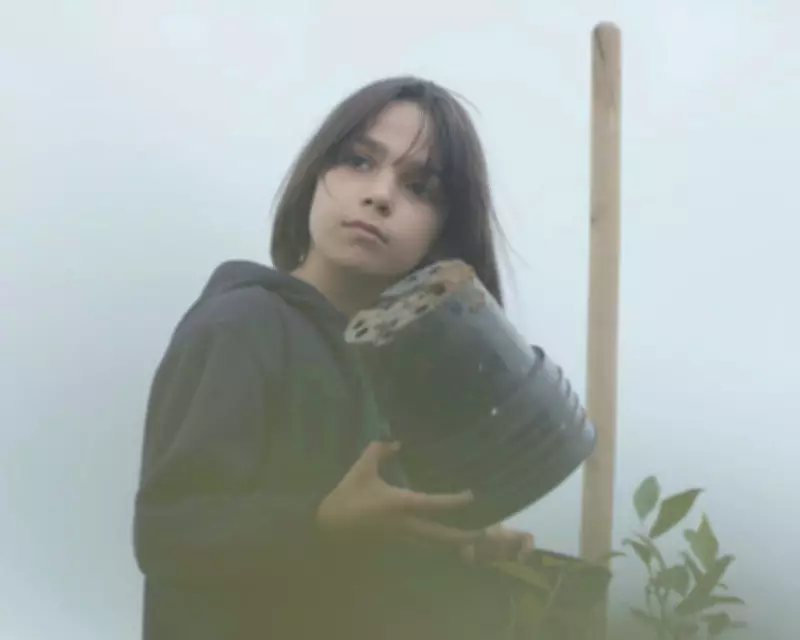
The documentary begins tracking the family in April 2021, ensuring that war occupies the minds of everyone involved, including Soso's irrepressible ten-year-old son, Lazare. Lazare proudly displays his drawings of soldiers and explosions during a school art exhibition. In another scene, Lazare, his older brother Giorgi, and another child engage in discussions about regional politics and history after a Christmas meal, speculating on how different circumstances might have been if historical events had unfolded otherwise.

The Realities of Agricultural Life
Primarily, the film concentrates on the immediate realities of blueberry farming as Soso and his sons tend to rows of bushes. The children exhibit less enthusiasm for agriculture than their father, although they contribute without complaint when the first harvest arrives. However, Soso learns through difficult experience that generating profit is an immense struggle, especially due to the scarcity of buyers serving the European market. Consequently, they must sell to despised Russian buyers to achieve profitability, much to the disgust of Soso's long-suffering wife, Nino.
Meditative Pacing and Human Moments
Given its subject matter, the documentary unsurprisingly adopts a stately, meditative pacing, yet it never becomes so slow-moving as to induce soporific effects. For instance, there is always a dog or two causing mischief within the frame or other visual elements to engage the viewer. While the film does not shy away from depicting the family's challenging chosen lifestyle, it avoids introducing a great tragedy in the third act, a common trope in similar films. Moreover, the family members emerge as likable, ordinary people who share affection with one another while maintaining the ability to laugh kindly at each other and take moments to dance in the kitchen to a favorite old song.
Blueberry Dreams will be screened at Bertha DocHouse in London starting from March 13.